
Review · CUSCO
Excursion to the Planetarium of Cusco | New experience
Cusco’s night sky carries more than stars. At the Cusco Planetarium, you learn how Inca astronomers read dark shapes between the stars, then compare that older view of the heavens with a modern telescope. That mix of culture and science is the real reason to book.
I like the small group of up to 10 people, which should make it easier to hear the guide and ask questions. I also like the blankets provided for outdoor viewing, a thoughtful touch in cool Cusco after sunset. The main caution is timing: some outings return to central Cusco in under two hours, despite the advertised four-hour duration.
Key points
- Inca constellations: Learn how the Incas interpreted the sky, including the dark spaces between stars.
- Virtual dome presentation: The indoor planetarium session gives you a clear introduction before outdoor viewing.
- Professional telescopes: You may view planets and constellations through the observatory equipment if clouds cooperate.
- Short evening transfer: The planetarium is less than 20 minutes from Cusco by shuttle.
- Small group format: The activity is limited to 10 participants and runs in English or Spanish.
- Uncertain time on site: The advertised four hours includes transport, and the actual visit may be closer to one and a half hours.
Why Inca astronomy makes this Cusco evening different
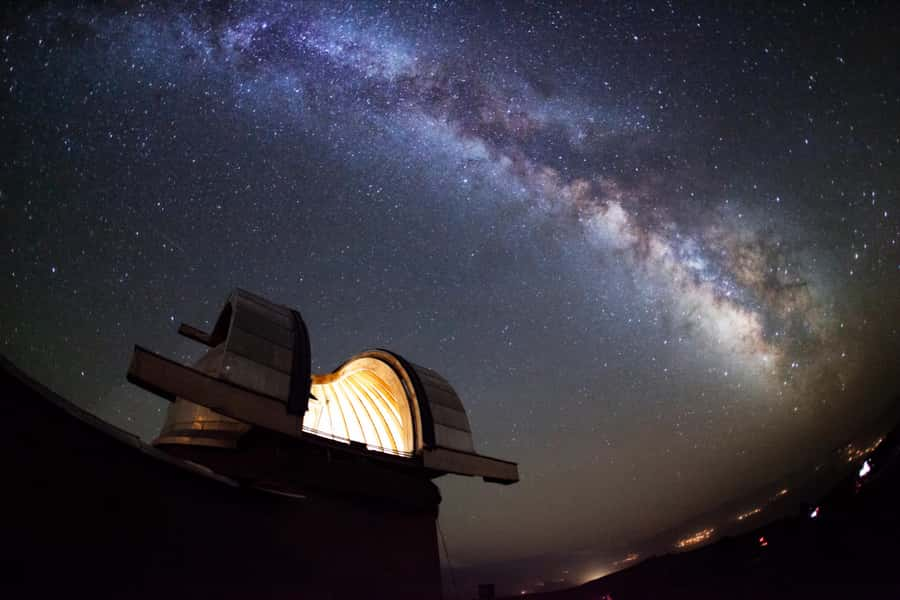
Many evening activities in Cusco focus on food, music, or a walking tour. This one points your attention upward. The subject is not astronomy in a general schoolbook sense. It is the way the Inca world understood the sky and used it to make sense of time, seasons, and life on earth.
The key distinction is the focus on Inca constellations. You are not only shown familiar star patterns. The planetarium presentation introduces the way the Incas identified figures in the dark areas of the Milky Way. That gives the night a cultural frame before you look through a telescope.
I like this order. The indoor explanation helps you understand what you are seeing later. Without that context, a telescope session can become a quick parade of bright points. With it, the sky has a clearer connection to the people and ideas of the Andes.
The experience is also a useful option for a night when you want something calm and different. You will not spend the evening walking steep Cusco streets or visiting another church. You will ride out to an observatory, sit through a presentation, then head outdoors if conditions are suitable.
More Planetarium Visits in the world:
- Miami: Frost Museum of Science and Planetarium Entry Ticket
★ 4.5 · 429 reviews - Planetarium and Telescope Combo Tour
★ 4.0 · 144 reviews - Houston Museum of Natural Sciences: Planetarium Ticket
★ 4.5 · 139 reviews
From Plaza Regocijo to the observatory
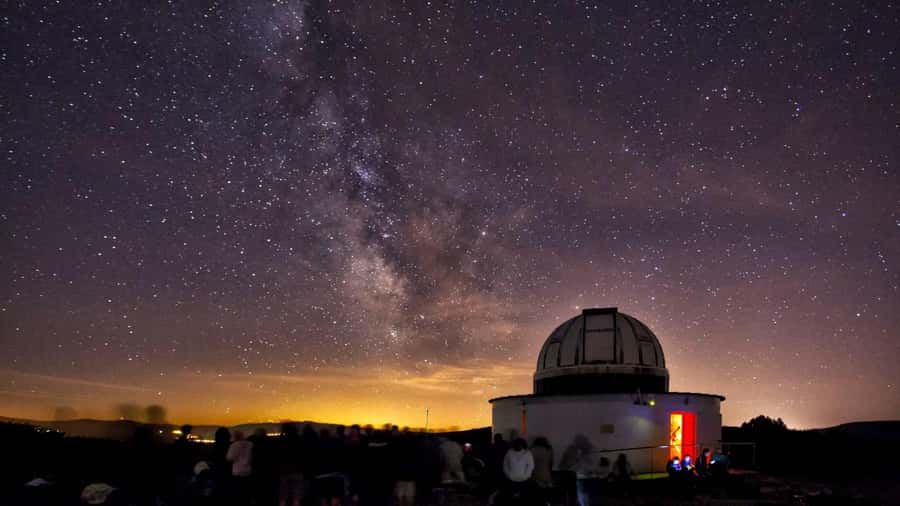
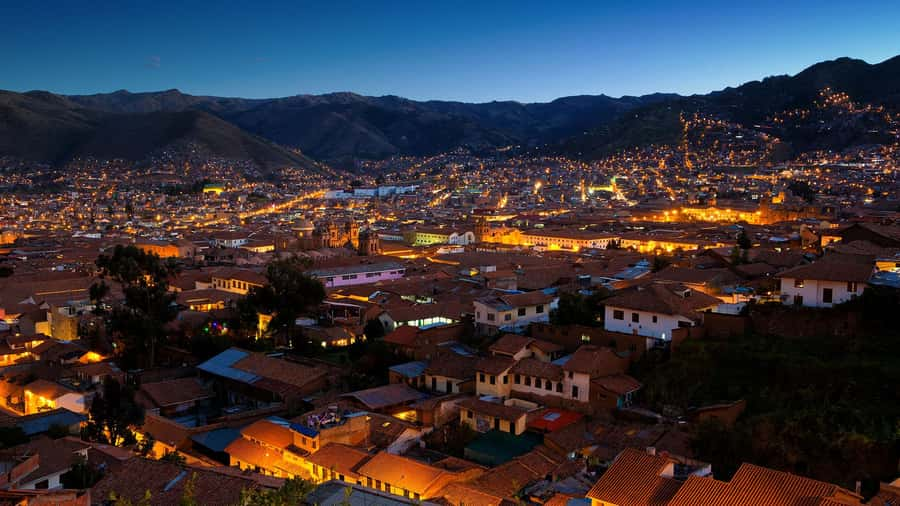
The scheduled meeting point is Plaza Regocijo, with pickup between about 5:30 and 6:00 PM. The transfer to the planetarium takes less than 20 minutes, so most of the outing is not spent in a vehicle.
The included information also refers to hotel pickup, but the practical arrangements appear to vary. One booking experience involved no hotel pickup, even when that service was expected. I would confirm your exact pickup point before the day of the tour, especially if you are staying away from central Cusco.
The short ride matters because it keeps the evening manageable. You are not committing to a full-day trip or a long drive into the countryside. You leave the central area, reach the observatory, and return to Cusco’s Plaza de Armas at roughly 8:00 PM according to the planned schedule.
That return time makes the activity easy to pair with dinner. Still, keep your plans flexible. The actual duration has been inconsistent, with some outings ending in less than two hours. If you want a relaxed meal afterward, that early finish may help. If you are booking this because you expect four full hours of astronomy, it may disappoint.
Inside the interpretation rooms
The first part at the observatory is a talk on Inca astronomy in the interpretation rooms. This is where the cultural side of the outing should be strongest.
You can expect an English- or Spanish-speaking guide to explain the main ideas before the planetarium show. The supplied details do not name individual guides, so you cannot select a particular presenter. The small group limit of 10 should help keep the talk personal, though the quality of the explanation will depend on the guide assigned that evening.
This session is valuable because it gives you a reason to care about the stars beyond their appearance. The Incas did not treat the heavens as decoration. Their view of the sky was tied to the natural world and to how they understood their surroundings.
The available descriptions do not promise a long lecture or a detailed academic course. Set your expectations accordingly. You are getting an introduction designed for a short evening visit, not a specialist seminar in Andean astronomy.
One point deserves special attention. The shorter experiences have been criticized for giving only limited information about how the Inca used their constellations. If that subject is your main reason for booking, ask questions during the talk. A direct question may get you more useful context than simply watching the presentation.
The virtual sky inside the dome
After the interpretation-room talk, you move to the planetarium dome for a virtual projection of the sky. This indoor section is the safest part of the program because it does not depend on clouds or telescope conditions.
The dome presentation introduces the Inca constellations in a controlled setting. You are not trying to identify stars while standing in the cold or adjusting to darkness. The projected sky can give you the basic orientation you need before going outdoors.
I see this as the heart of the educational side of the visit. The telescope is exciting, but the dome is where the story gets organized. It can show you what to look for and explain the difference between a modern star chart and the Inca way of reading the heavens.
The wording used to describe the planetarium calls it one of the world’s most unique observatories. That is a broad claim, so I would not book on that phrase alone. The more solid reason to visit is the combination of a Cusco setting, an Inca astronomy presentation, and access to outdoor telescopes in one short program.
The main weakness is again duration. A dome presentation can feel rushed if the visit is cut short. The activity is advertised as four hours, but that includes transport and may not reflect four hours of programming at the site.
More Stargazing Tours around the world:
- Dubai Red Dunes ATV, Camels, Stargazing & 5* BBQ Al Khayma Camp
★ 5.0 · 21,620 reviews - Sharm El-Sheikh: Ultimate ATV Quad, Stargazing & BBQ Dinner
★ 4.7 · 4,084 reviews - Tenerife: Teide National Park Sunset & Stargazing Tour
★ 4.2 · 3,812 reviews - Tenerife: Sunset and Stargazing at Teide National Park
★ 4.7 · 2,826 reviews
Looking through professional telescopes
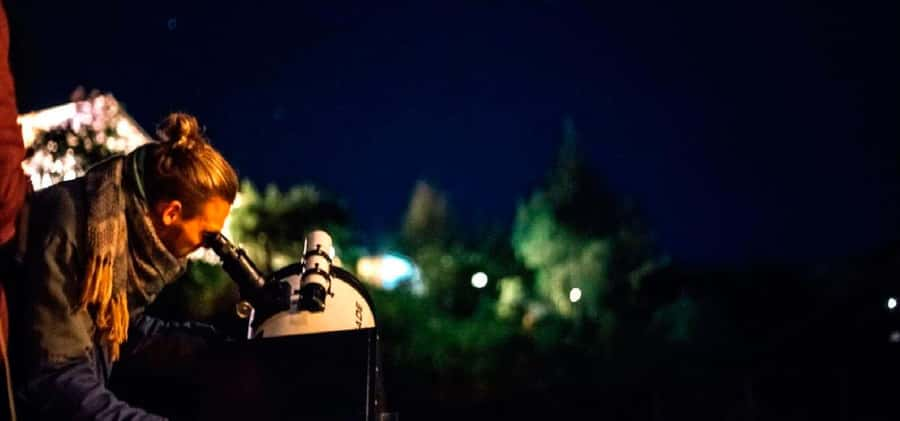
The final activity is outdoor observation through professional telescopes. The goal is to view constellations and planets with magnification rather than simply look at the sky with your eyes.
This is the part many people will remember most. A telescope gives the evening a hands-on finish and turns the earlier explanation into something you can test for yourself. The equipment is described as professional, and blankets are provided for outdoor stargazing, which is useful in Cusco’s cool night air.
The telescope session is weather dependent. Clouds can limit or cancel this part, and the tour does not promise a clear sky. That is not a flaw in the observatory, but it is a fact you should accept before paying. The indoor talk and dome presentation provide some value even when outdoor conditions are poor.
You should also keep the viewing time in perspective. The supplied experiences describe outdoor blankets and large telescopes, but they do not promise a long list of planets, a specific celestial event, or a certain number of telescope targets. What you see will depend on the night, the weather, and the guide’s program.
If you want a serious, all-night stargazing session, this is not the right format. If you want a compact introduction to the Cusco sky with a chance to use observatory equipment, it makes more sense.
How the four-hour schedule works in practice
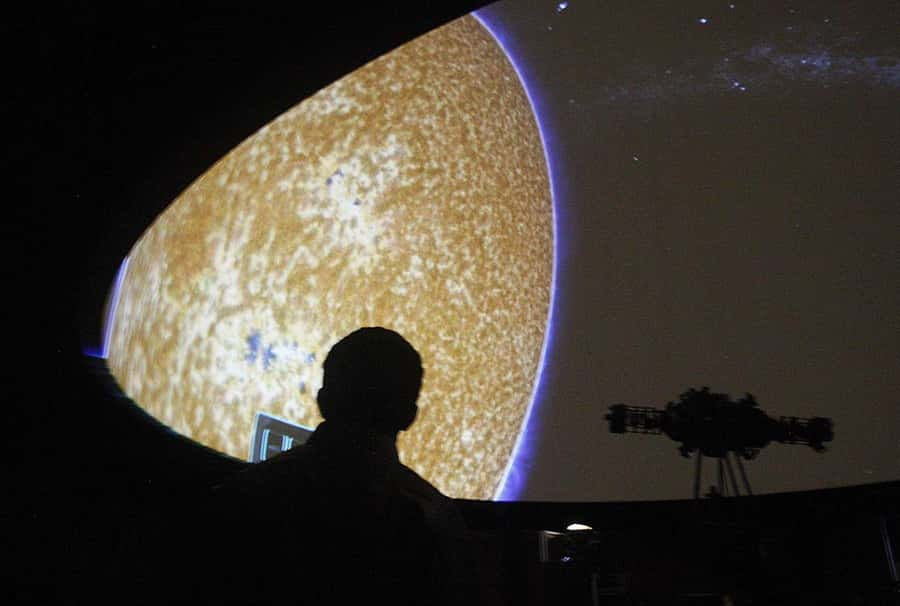
The published schedule runs from an early evening pickup to a return around 8:00 PM. On paper, that gives you about four hours from departure to return. In practice, transport accounts for part of that time, and the time at the observatory may be much shorter than expected.
One outing lasted about an hour and a half at the planetarium, with roughly two hours including transport. Another account described the experience as enjoyable but also much shorter than the advertised four hours. This is the clearest issue to consider before booking.
I would treat four hours as the maximum planned window rather than four hours of continuous activity. That outlook prevents the wrong expectation. You are buying an evening excursion with several short parts, not a long observatory session.
The shorter format may suit you if you have only one free evening in Cusco. It gives you a cultural activity, a dome show, and a possible telescope visit without taking up an entire night. It may not suit you if you are making a special trip solely for astronomy or expect extensive teaching.
What the $39 price really buys
The price is $39 per person. It includes tourist transportation, entrance to the planetarium, and an English- or Spanish-speaking guide. Meals, travel insurance, and personal extras are not included.
At that price, the value depends on how much time you actually spend at the observatory. The package is reasonably easy to understand: you pay for transport, admission, guided interpretation, the virtual sky presentation, and the chance to use the telescopes.
The value weakens if you expect the full four-hour experience and return to Cusco in under two hours. A short visit can still be enjoyable, but it gives you less time for the price than the schedule suggests.
I would compare this outing with your other evening options in Cusco. If you value Inca cultural context plus astronomy, the price may be fair. If you mainly want to see stars through a telescope, you may want to ask how long the outdoor session normally lasts before reserving.
The current rating is 3.3 from three ratings, which reflects this mixed value. The strongest response praised the history, science, and telescope viewing, especially the blankets outdoors. The weakest response felt there was too little information and too little time for the cost. Both reactions make sense given the gap between the advertised schedule and the reported time on site.
Who will enjoy this Cusco planetarium visit
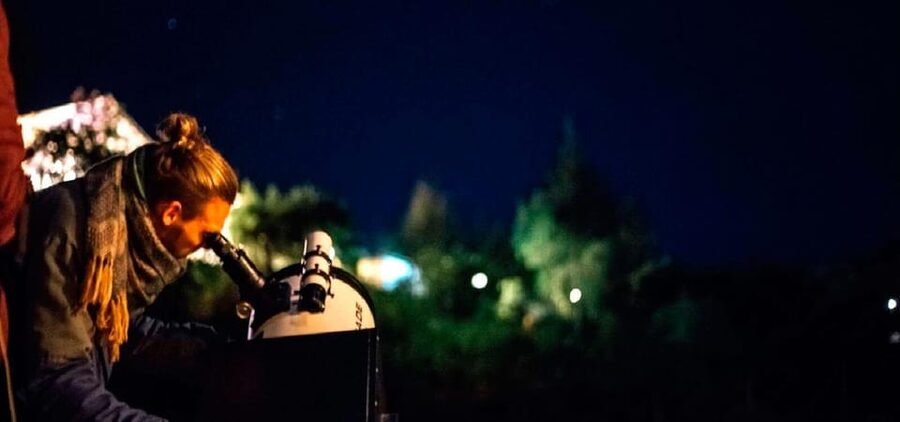
I would recommend this outing most to curious first-time visitors who want an activity tied to Cusco’s Andean setting. It works well for couples, families, and small groups who would enjoy a quiet evening with some science and culture.
It is also a good fit if you have already seen the main historic sights and want something outside the usual church-and-ruins circuit. The subject gives you a different way to think about the region, and the night walk adds a simple change of pace.
You may want to skip it if you need a guaranteed outdoor viewing session. Clouds can affect the telescope portion, and no substitute experience is promised beyond the indoor presentation.
You should also think twice if your priority is depth. The program introduces Inca astronomy, but the available information does not support expecting a long scholarly explanation. Ask questions, but book this as an accessible introduction rather than an advanced course.
The activity is limited to 10 participants, which is a useful middle ground. It is more personal than a large coach outing but not a private tour. English and Spanish are available, so check that the language you want is assigned to your departure.
Practical details for a smoother evening
Plan to be ready for pickup at Plaza Regocijo between 5:30 and 6:00 PM unless your confirmation gives you a different arrangement. Since hotel pickup has not always operated as expected, confirm the meeting point rather than assuming someone will collect you at your lodging.
Wear something suitable for outdoor viewing. Blankets are provided, but the telescope session takes place at night, and Cusco can feel cold after sunset. The tour does not include a meal, so eat beforehand or plan dinner after returning to central Cusco.
Alcohol and drugs are not allowed. Travel insurance is also not included, so arrange your own cover if you want it.
The activity offers free cancellation up to 24 hours before departure and allows you to reserve now and pay later. Those terms help if your Cusco schedule is still changing, but they do not remove the weather risk or the uncertainty around the actual duration.
Should you book the Cusco Planetarium excursion?
Book it if you want a short, small-group introduction to Inca astronomy with a dome presentation and a chance to use professional telescopes. The best parts are the cultural subject, the unusual evening setting, and the outdoor viewing setup with blankets.
Do not book it expecting four full hours at the observatory or a detailed astronomy course. The most important step is to confirm the pickup arrangement and understand that the telescope session depends on weather. At $39, the experience can be worthwhile when you value the mix of culture and science, but the price is harder to justify if your visit ends after about two hours.
FAQ
Where does the excursion begin?
The scheduled meeting point is Plaza Regocijo in Cusco, with pickup between approximately 5:30 and 6:00 PM.
How long does the transfer to the planetarium take?
The Cusco Planetarium is less than 20 minutes from the city by shuttle.
How long does the activity last?
The advertised duration is four hours, but actual outings may be shorter. Some have returned to central Cusco in less than two hours.
What time does the excursion return to Cusco?
The planned return is to Cusco’s Plaza de Armas at approximately 8:00 PM.
What languages are available?
The activity is offered with a live guide who speaks English or Spanish.
How large is the group?
The activity is limited to 10 participants.
Is transportation included?
Yes. Tourist transportation is included, and the activity information also lists hotel pickup. Confirm your exact pickup arrangement because this may vary.
Is the telescope viewing guaranteed?
No. The telescope activity depends on weather conditions.
Are meals included?
No. Meals are not included in the $39 price.
Can I cancel for a refund?
Yes. You can cancel up to 24 hours in advance for a full refund. You can also reserve now and pay later.
Just in after dark around the world
- Exmouth: Summer Sunset Turtle Watching and Stargazing Tour★ 5.0 · 2 reviews
- Esperance: Astronomy Night Experience★ 5.0 · 5 reviews
- Dubai: Private Night Safari & Astronomy with 3-Course Dinner★ 4.3 · 25 reviews
- Easter Island: Rapa Nui Stargazing Tour★ 4.8 · 16 reviews
- Doha Sunrise/Sunset or Night Stargazing desert safari.★ 5.0 · 3 reviews
- Doha: Private Desert Safari at Night with Stargazing★ 4.7 · 24 reviews
- Dubai: Overnight Safari with Luxury Dome Stay & Stargazing★ 5.0 · 13 reviews
- Doha: Stargazing Desert Safari w/ Dune Bashing & Camel Ride★ 5.0 · 14 reviews
Planetarium Visits, night against night.
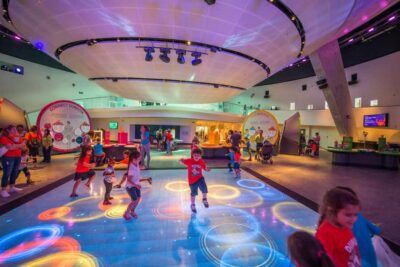
Miami: Frost Museum of Science and Planetarium Entry Ticket
Read our review →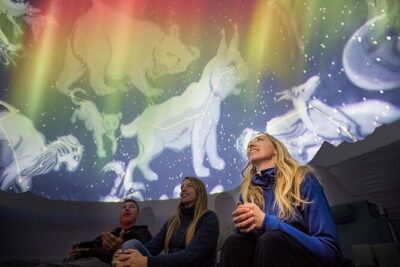
Houston Museum of Natural Sciences: Planetarium Ticket
Read our review →
Jasper Planetarium and Telescope Combo Tour Tickets
Read our review →

Cusco by Night: Planetarium Cusco, Dinner, and Pisco Sour
Read our review →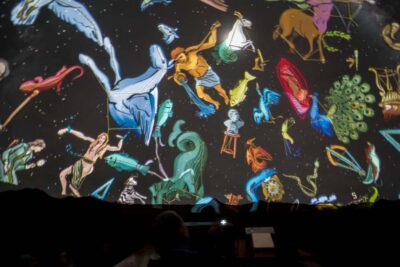
Planetarium Cusco OFFICIAL SITE: Andean Astronomy experience
Read our review →
Lists this night appears in