
Review · AUSTRALIA
Esperance: Astronomy Night Experience
Esperance’s night sky is the star here, and it gets the kind of help most of us need: a clear laser tour, good telescopes, and someone who can explain what you’re seeing without turning it into a lecture. From a dark sky location, you’ll look at constellations, planets, star clusters, nebulae, galaxies, and the Milky Way.
I like the small telescope groups, with no more than five people sharing an instrument, and the way traditional star stories sit beside modern science. I also like the thoughtful comforts, including seating, blankets, hot chocolate, and a chocolate bar on some evenings. The main consideration is simple: this is a two-hour introduction, not an advanced observing course, so keen amateur astronomers may want more time and greater depth.
Key points at a glance
- Dark skies near Esperance: The setting lets you see far more stars than you can from a town or city.
- Three telescopes on some evenings: Paul and his daughter Hannah used three instruments for one small group, keeping waiting time low.
- Laser-guided explanations: Constellations, planets, seasonal features, and the Milky Way are pointed out in a way that helps you get your bearings.
- Stories with a wider frame: Traditional star stories from local and world cultures are paired with current astronomical ideas.
- A gentle two-hour pace: Seating and a welcoming approach make this suitable for first-time stargazers and mixed-age groups.
- Wheelchair accessible: The experience is designed to include people with different access needs, though you should contact the operator if you need specific arrangements.
Starting under Esperance’s dark sky
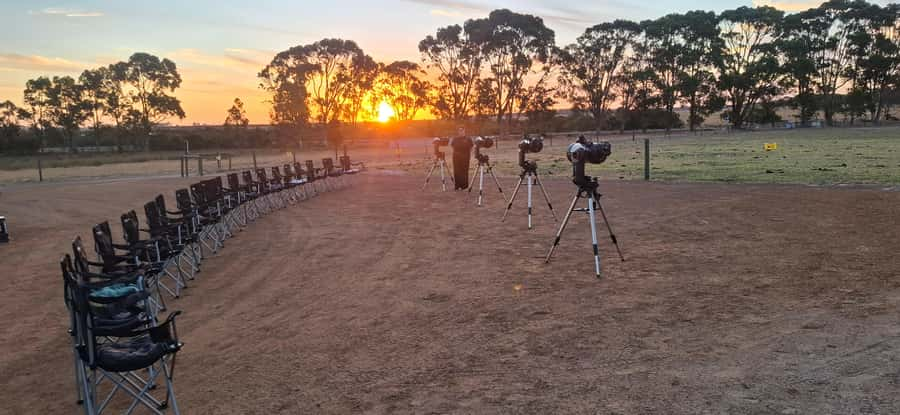
You meet the Ningaloo Stars team in the car park when you arrive. Transport is not included, so you need to make your own way to the meeting point. The exact starting time changes with availability, which makes checking the schedule important when you book.
The opening minutes are about getting settled. Seating is provided, so you are not expected to spend the full evening standing in the dark. That small detail matters more than it sounds. Stargazing requires patience, and a chair lets you pay attention to the sky rather than your feet.
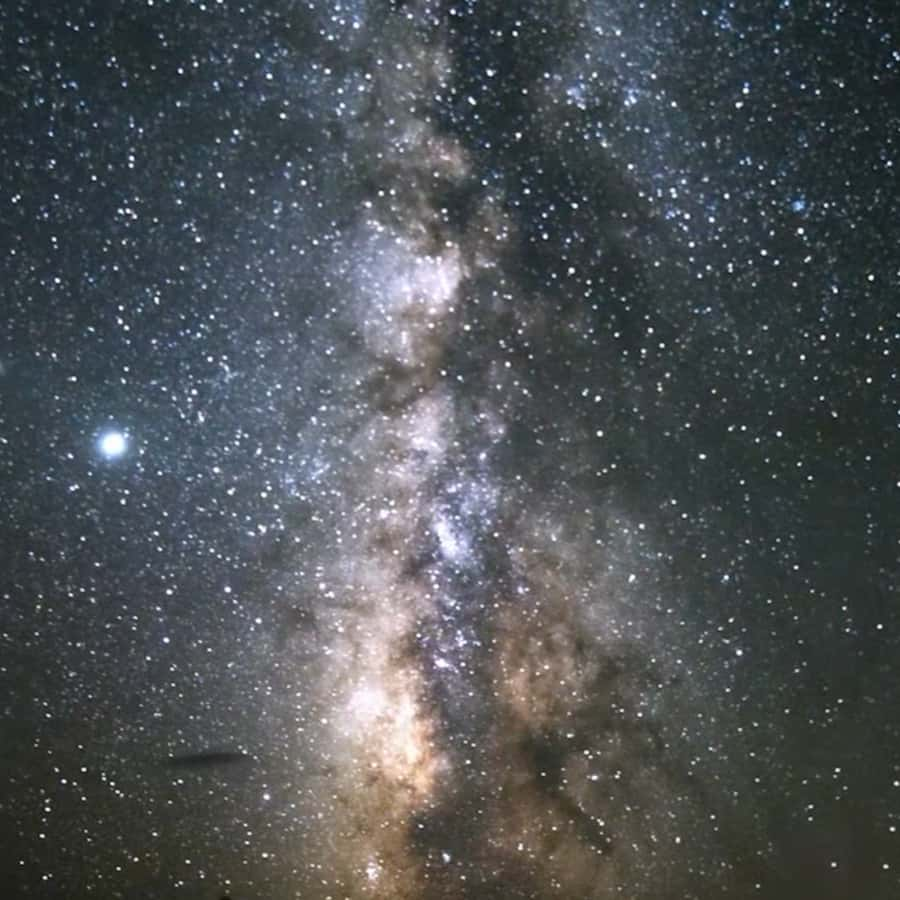
Esperance is a strong place for this kind of outing because the night sky is not competing with heavy city light. In a dark location, faint stars and broad bands of the Milky Way become easier to spot. You may still need a little time for your eyes to adjust, so resist the urge to reach for a phone or torch.
Flash photography and flashlights are not allowed. Smoking, vaping, alcohol, and drugs are also prohibited. These rules protect both the dark adaptation of your eyes and the calm of the group. Keep your phone dim and use it sparingly.
More Stargazing Tours around Australia:
- Pinnacles Desert: Sunset BBQ & Stargazing Tour +Sandboarding
★ 4.8 · 1,555 reviews - Pinnacles Desert Sunset Dinner and Stargazing Tour
★ 5.0 · 1,034 reviews - From Perth: Pinnacles Sunset and Stargazing Tour with Dinner
★ 4.7 · 803 reviews
The laser tour makes the sky easier to read
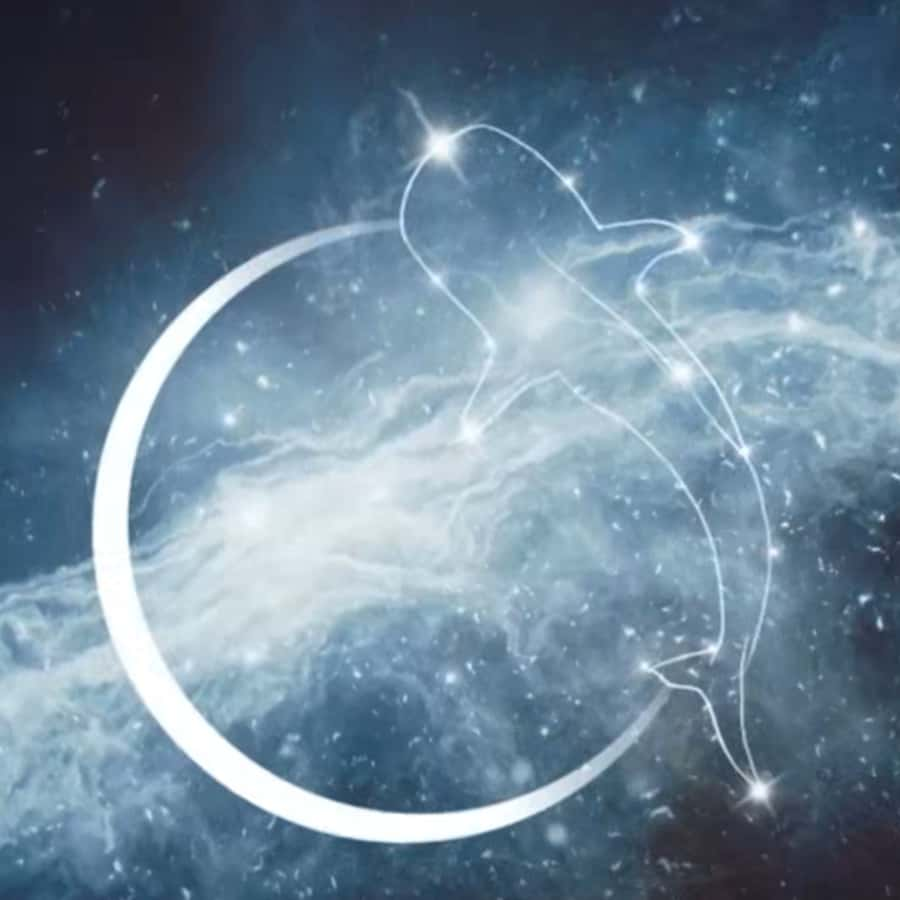
A dark sky can be beautiful, but at first it can also look like a jumble of stars. The laser-guided portion gives you a map. Your guide traces constellations, planets, and the Milky Way, then explains what makes each feature worth noticing.
This is especially useful if you are new to astronomy. Instead of trying to remember a chart or guess which bright point is a planet, you can follow the beam and connect the explanation with the actual sky above you.
The tour also covers seasonal highlights. That means the view is not exactly the same throughout the year, and the guide can focus on the objects and star patterns that make sense for the night you attend. The supplied information highlights summer skies, when the southern heavens can reveal a particularly detailed display.
The laser is a practical tool, not a gimmick. It gives everyone a shared point of reference, including people who may not yet know where to look. A child can follow it. An adult who has never learned the constellations can follow it. A regular stargazer can use it to place familiar objects in a broader pattern.
Looking through premium telescopes
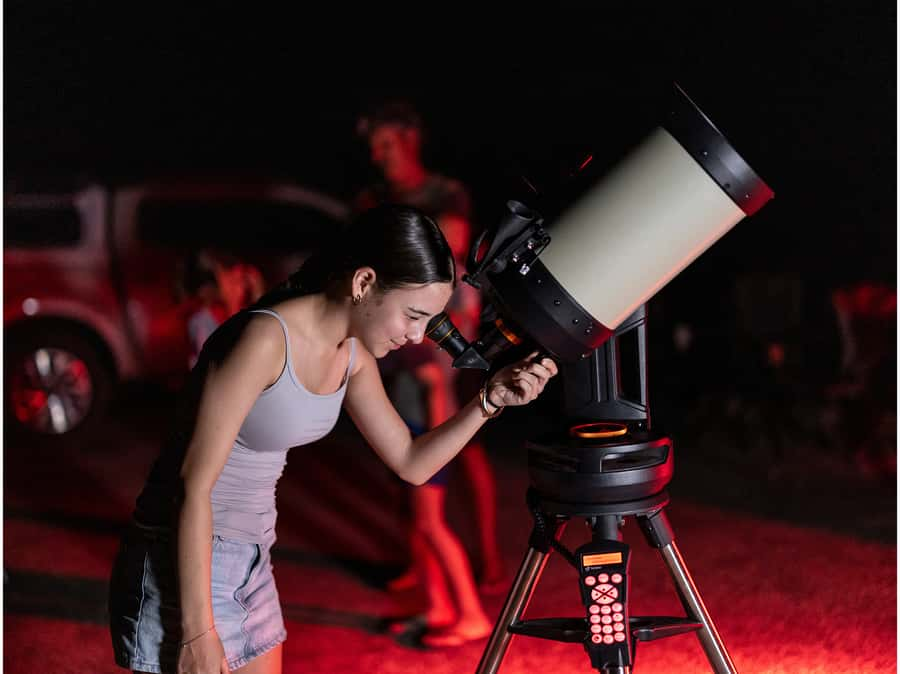
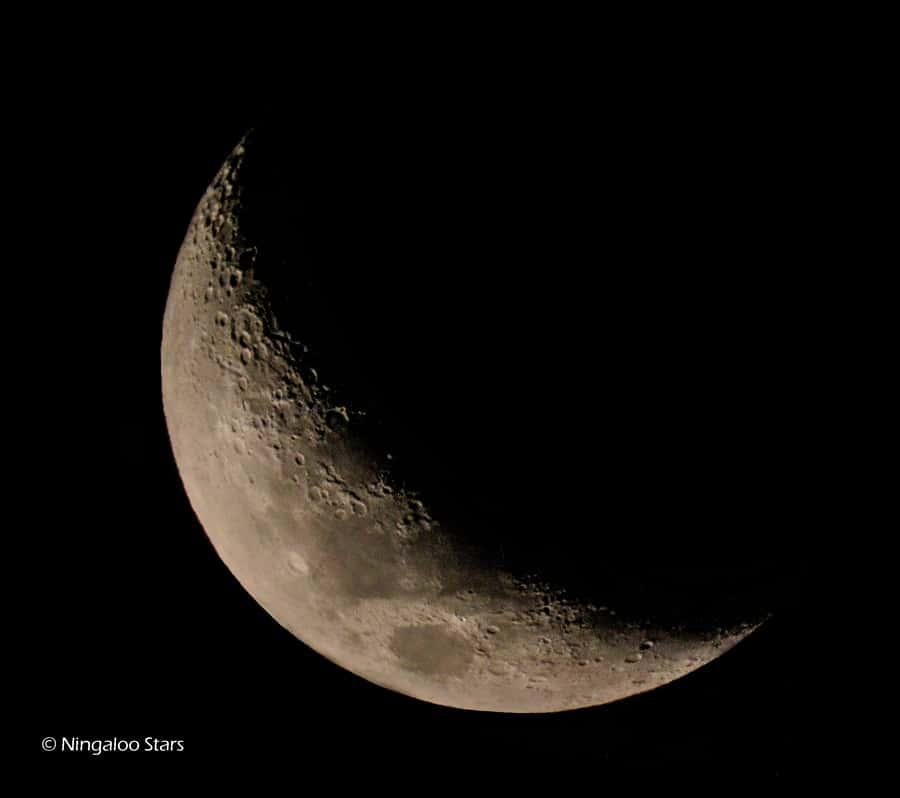
After the sky tour, the experience moves from seeing the heavens with your eyes to seeing them through premium telescopes. The instruments are used to show objects that are too faint or too small to appreciate properly without magnification.
Depending on the night and what is visible, you might look at planets, star clusters, nebulae, galaxies, and other targets. The important point is that the telescope portion is not a quick glance for the first person in line. No more than five people share each telescope, giving everyone a fair chance at the eyepiece.
On one evening led by Paul and his daughter Hannah, three telescopes were available for a small group. That setup kept waiting short and allowed the night to move at a comfortable pace. Telescope sharing can be frustrating when a large crowd gathers around one instrument, so this limit is one of the strongest practical features of the experience.
You should still expect a group activity rather than private observing. The telescope time is shared, and the guide needs to move the group through several objects. If you want a long, technical study of one galaxy or planet, this may feel brief. If you want a well-organized first look at several types of object, the format works well.
The view through a telescope can change from one night to the next. Clouds, visibility, seasonal position, and the objects available at the time all affect what you see. The operator promises the type of targets the equipment is intended to show, but not a fixed list of celestial objects for every session.
Science and traditional star stories together
The best part of this evening is not only the equipment. It is the effort to give the stars more than one meaning.
Your guide places traditional star stories from local and world cultures beside contemporary science. That gives you two ways to understand the sky. One approach explains distance, motion, light, and the life cycle of stars. The other shows how people have used the same stars for story, memory, identity, and orientation.
This makes the evening broader than a basic constellation lesson. You are not simply memorizing names. You are considering how different cultures have looked up at the same sky and formed different connections with it.
The science is presented for all levels of interest. You do not need previous astronomy knowledge, and you can ask questions without feeling behind. At the same time, the cultural material gives regular sky watchers something beyond a standard list of planets and star clusters.
Paul and Hannah have been described as covering astronomy, history, and science in one evening. That combination is useful for families and mixed groups, since not everyone is interested in the same part of the subject. One person can focus on the telescope targets, another on the stories, and another on the science behind the light.
Same stars, another vantage point:
- Pinnacles Sunset Stargazing Dinner Experience Small Group Tour
★ 4.5 · 396 reviews - Uluru: National Park Astronomy Tour with Telescope and Photo
★ 4.4 · 357 reviews - Stargazing with an Astronomer in the Blue Mountains
★ 5.0 · 243 reviews - Perth: Pinnacles Desert Sunset & Stargazing with Dinner
★ 4.3 · 215 reviews
A relaxed evening, not a race through facts
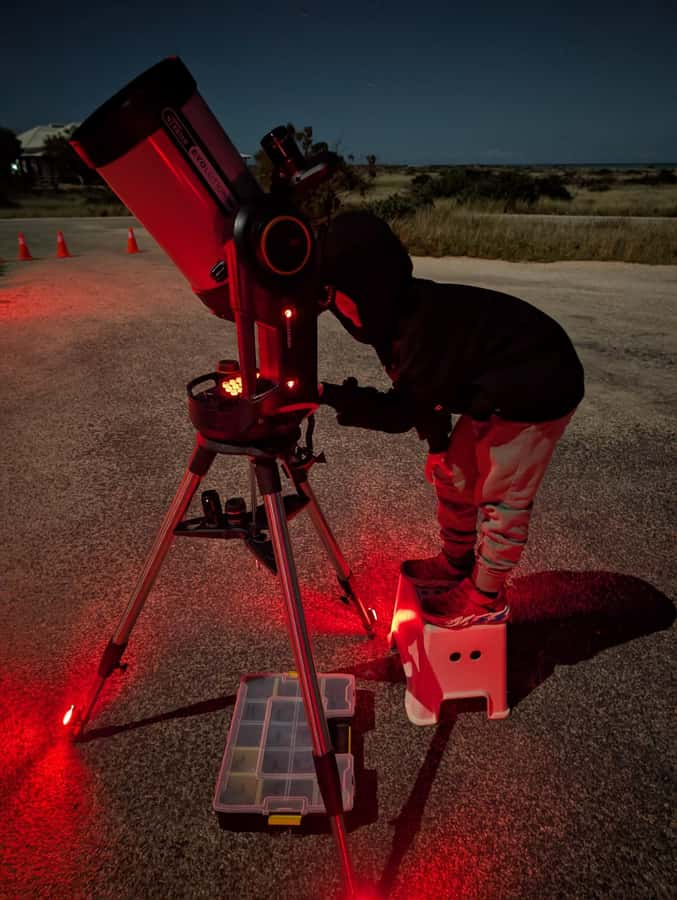
Ningaloo Stars presents the experience as welcoming to all ages, backgrounds, and levels of interest. That promise is reflected in the pace and setup. Seating keeps the evening comfortable, and the small telescope groups reduce pressure at the eyepiece.
The atmosphere is intended to be inclusive rather than formal. First-time stargazers can ask basic questions, while people with more experience can listen for new cultural or scientific details. You do not need to know the names of stars before arriving.
There are also a few friendly comforts. Blankets, hot chocolate, and a chocolate bar were available on one evening, adding warmth and a small treat to the outing. These extras are not listed as guaranteed inclusions for every session, so I would not book expecting a particular snack. Still, they show an awareness that an outdoor night can feel cool even when the day was warm.
The rules are worth taking seriously. No flashlight and no flash photography means you should dress for darkness and avoid bright screens. You may want to bring warm clothing, though the supplied details do not specify a clothing list. Alcohol and drugs are not permitted, and minors cannot attend without an accompanying adult.
Is two hours enough for the $60 price?
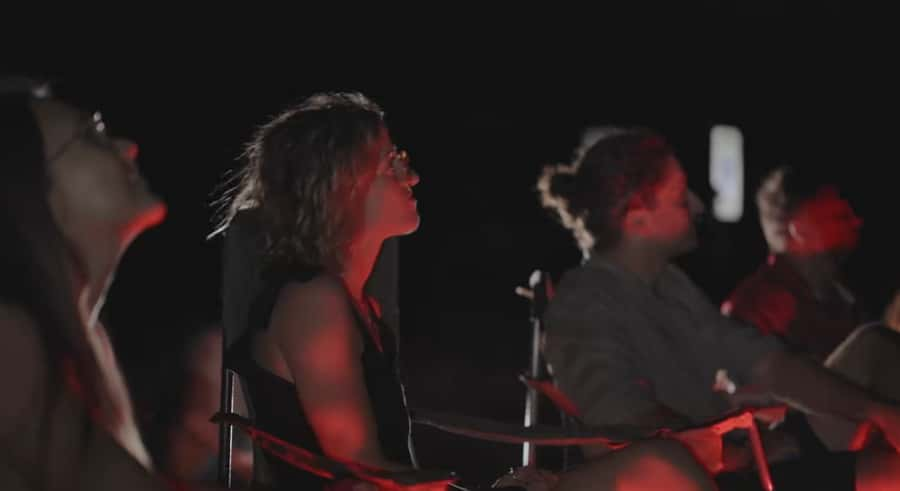
The price is $60 per person for two hours. I see that as fair if you value the guide, the dark sky setting, the telescope access, and the clear structure of the evening.
You are paying for more than a place to look at stars. The experience includes a hosted session, a laser presentation, premium telescopes, small-group access, cultural storytelling, science explanations, and seating. If you tried to recreate the telescope portion on your own, the equipment alone would be a major barrier.
The value is strongest for couples, families, and first-time stargazers who want someone else to handle the technical side. You arrive, meet the guide, follow the laser tour, and take your turn at the eyepiece. There is no need to identify targets, align a telescope, or decide what is worth looking at.
The value is less obvious for a serious amateur astronomer who already owns good equipment and spends long nights observing independently. One two-hour session may feel like a taster, especially since the format is designed for a broad audience. One participant specifically wanted the chance to go into greater depth later, which is a useful clue about the experience’s level.
Free cancellation up to 24 hours before the start and the option to reserve now and pay later add flexibility. Those policies are helpful in Esperance, where outdoor plans can be affected by the weather, though the supplied information does not spell out how cancellations caused by poor conditions are handled. Check the current terms before booking.
Who will get the most from this experience?
I would recommend it to anyone who looks at a clear night sky and wishes they knew what they were seeing. The laser tour gives you a starting point, and the telescope session adds the visual payoff.
It also suits families, provided children are accompanied by an adult. The mix of science, history, stories, and telescope viewing gives younger people more than one way to stay interested. The no-flash rule and quiet setting may require children to settle down, but the small groups help keep the session personal.
Couples and friends who want an evening activity beyond the usual sightseeing will find plenty to talk about afterward. The cultural stories add a thoughtful layer, while the telescope targets provide the immediate wow factor without needing technical knowledge.
It is also a good choice for people who want an accessible outing. The activity is wheelchair accessible, and the operator says it considers diverse needs. Since accessibility can involve details such as the surface at the meeting point, seating position, and telescope height, contact Ningaloo Stars directly if you need particular support.
You may want to skip it if you dislike sitting outdoors at night, cannot follow the no-light rules, or want a long technical observing session. The experience is welcoming and informative, but it is still a guided introduction with a fixed two-hour length.
Practical details before you book
The tour is conducted in English with a live guide. The meeting point is the car park, where the Ningaloo Stars team meets you as you arrive. Since transport is not included, plan your own route and allow enough time to reach the location before the start.
The experience does not include meals, alcohol, accommodation, personal expenses, or travel insurance. Blankets and hot chocolate have been provided on an evening, but they should be treated as possible comforts rather than guaranteed inclusions.
Do not bring a flashlight. Do not rely on flash photography to record the night. A phone with its screen dimmed may be useful for essential needs, but keeping artificial light to a minimum helps everyone see more.
The tour has a maximum of five people per telescope, not necessarily a maximum of five people overall. That distinction matters. You will have a small viewing group at the instrument, while the full session may include more people.
The rating is currently 5 out of 5 from five verified bookings, with praise centered on the informative presentation, the friendly format, the short waits at the telescopes, and the overall enjoyment of the evening. That is a small sample, so I would treat it as encouraging rather than definitive. The practical pattern is clear: the strongest features are the guide-led explanations and the efficient telescope access.
Should you book the Esperance Astronomy Night?
Book it if you want a friendly, well-organized introduction to the southern night sky, with enough science to teach you something and enough storytelling to make the subject memorable. The dark setting, small telescope groups, and laser guidance make the $60 price reasonable for most visitors.
I would especially choose it for a first astronomy experience, a family evening, or a relaxed date-night activity in Esperance. If you already spend your free time with advanced astronomy equipment, treat it as a short refresher rather than a full observing night.
Bring patience, keep your lights off, and arrive ready to share the eyepiece. For most people, that is a small trade for two hours of seeing the sky with clearer eyes.
FAQ
Where does the Esperance Astronomy Night take place?
The experience takes place in a dark sky location in the Esperance area of Western Australia. The Ningaloo Stars team meets you in the car park when you arrive.
How long does the astronomy experience last?
The session lasts two hours. Starting times vary, so check availability for the date you want.
How much does it cost?
The listed price is $60 per person.
What will I see through the telescopes?
You may see planets, star clusters, nebulae, galaxies, and other objects that are difficult or impossible to see clearly with the naked eye. The exact targets can vary.
How many people share each telescope?
No more than five people share each telescope. Three telescopes were available on one evening, which kept waiting time short for that group.
Is the experience suitable for beginners?
Yes. The guide explains the constellations and seasonal highlights clearly for all levels of interest, including people attending their first stargazing session.
Is the activity wheelchair accessible?
Yes, the activity is described as wheelchair accessible. If you have specific access needs, contact Ningaloo Stars before booking for current details.
Is transport included?
No. You need to arrange your own transport to and from the meeting point.
What languages are available?
The live tour guide speaks English, and English is the listed language for the activity.
Can I cancel my booking?
You can cancel up to 24 hours in advance for a full refund. You can also reserve now and pay later, which keeps your plans flexible.
Just in after dark around Australia
- Exmouth: Summer Sunset Turtle Watching and Stargazing Tour★ 5.0 · 2 reviews
- Brisbane: Glow Worms, Sunset, Star Gazing & BBQ★ 4.4 · 26 reviews
- Perth: Pinnacles Stargazing, Sandboarding & Beach Kangaroos★ 5.0 · 3 reviews
- Kalbarri Stargazing Tour★ 5.0 · 7 reviews
- Kalbarri Skywalk Sundowner and Stargazing Tour★ 5.0 · 6 reviews
- Kalbarri Stargazing Tour★ 5.0 · 2 reviews
- Kalbarri Skywalk: Sundowner and Stargazing Tour★ 4.9 · 9 reviews
- Small-Group River Murray Dark Sky and Sunset Tour with Dinner★ 5.0 · 70 reviews
Stargazing Tours, night against night.

Dubai Red Dunes ATV, Camels, Stargazing & 5* BBQ Al Khayma Camp
Read our review →
Teide National Park Sunset & Stargazing with Dinner (Star Safari)
Read our review →
Sunset Camel Trek, Al Khayma Camp, Stargazing & BBQ
Read our review →
Overnight Safari, Dinner, Stargazing & Al Khayma Camp
Read our review →
Dubai Overnight Desert Safari, BBQ & Stargazing at Al Khayma Camp
Read our review →
Sunset Quad Bike, Camel w/ Opt Stargazing and BBQ
Read our review →Lists this night appears in