
Review · CUSCO
Planetarium Cusco OFFICIAL SITE: Andean Astronomy experience
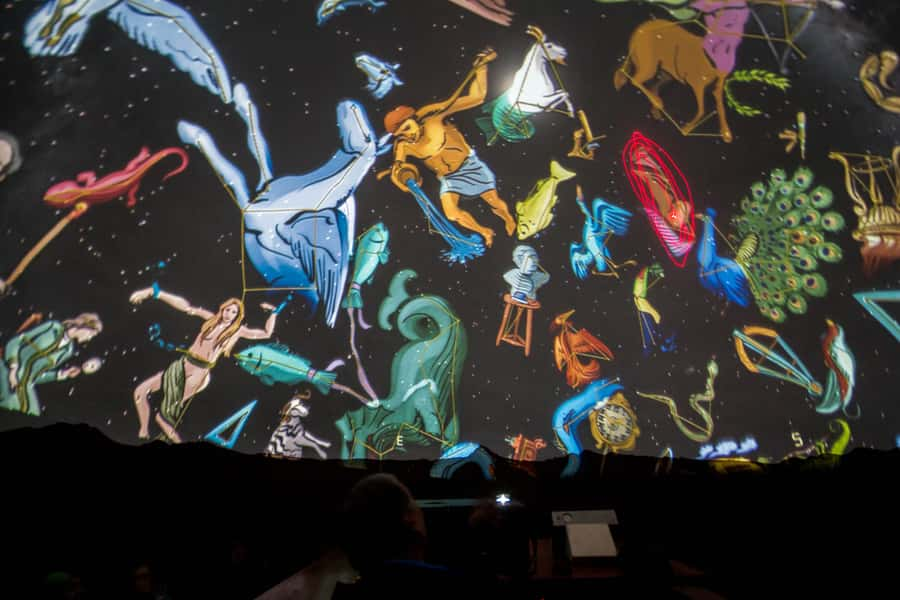
The most memorable part of this evening is the way Inca astronomy gives the southern sky a different meaning. Inside the dome, you learn how Andean people read constellations, seasons, and animals in the heavens, then see those ideas paired with a modern projection of the stars.
I like the short, organized transfer from Regocijo Square and the small-group setting. I also like that the program does not stop at a screen: when clouds stay away, you go outdoors and use a telescope to look at planets and stars. The main caution is weather. Cloud cover can cancel the telescope portion, and anyone already well versed in astronomy may find the basic presentation too light.
Key points to know before you book
- Inca constellations take center stage: The presentation explains Andean views of the sky, not only familiar European star patterns.
- The evening begins at 17:30: Meet by the fountain in the middle of Regocijo Square, close to Cusco’s main plaza.
- The ride takes only 10 to 15 minutes: Round-trip transport is included, so you do not need to arrange a taxi.
- The dome presentation starts around 18:40: A virtual southern-sky projection helps you see stars even when outdoor conditions are poor.
- Telescope viewing depends on clouds: Bring warm clothes and keep expectations flexible.
- The $28 price covers the core program: Transport, interpretation rooms, the dome show, and telescope use when possible are included.
Why Andean astronomy makes this evening different
Planetarium Cusco is not simply a standard planetarium show with Inca names added afterward. The focus is the Andean way of understanding the sky, including the constellations and ideas that shaped Inka life.
That distinction matters. Most visitors from the Northern Hemisphere arrive knowing Orion, the Big Dipper, or the North Star. In the southern sky, the familiar reference points change. At Cusco’s high elevation, the heavens have long played a practical role in understanding time, farming, weather, and ceremony.
The program connects this older view with modern astronomy. You see the southern sky projected above you, while the guide explains how Andean communities interpreted what they saw. The result is part cultural history, part science lesson, and part night-sky outing.
I would not book this only to see a telescope image. Weather can interfere, and the basic astronomy may not satisfy someone who already knows the subject well. Book it for the combination of storytelling, Andean culture, and sky observation.
More Planetarium Visits in the world:
- Miami: Frost Museum of Science and Planetarium Entry Ticket
★ 4.5 · 429 reviews - Planetarium and Telescope Combo Tour
★ 4.0 · 144 reviews - Houston Museum of Natural Sciences: Planetarium Ticket
★ 4.5 · 139 reviews
Meeting at Regocijo Square at 17:30
The evening starts in the middle of Regocijo Square, beside the fountain. This is a useful meeting point because the square is very close to Cusco’s main Plaza de Armas, so it is easy to reach from the central area.
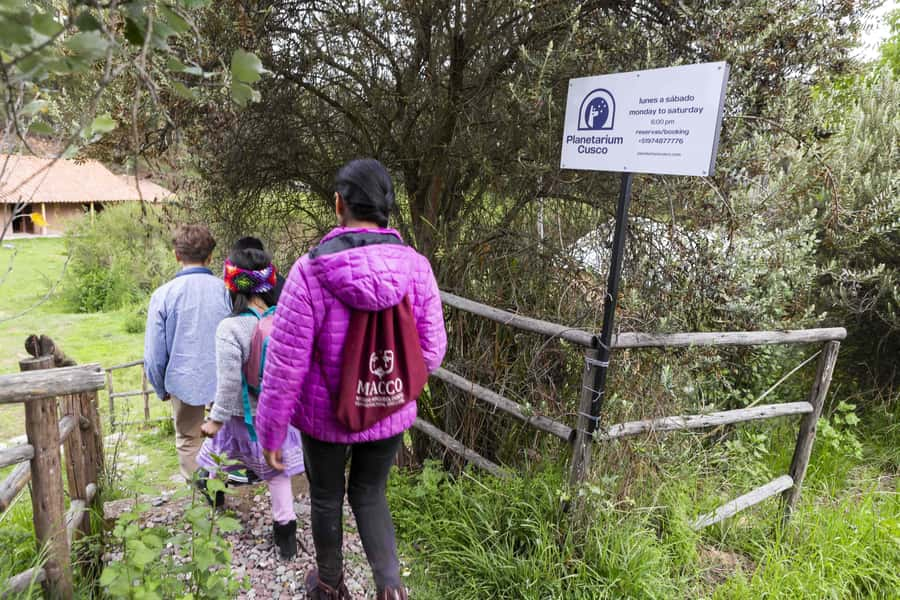
Arrive a little early. The departure is listed for 17:30 sharp, and the group takes a short walk to the vehicle. The transfer to Planetarium Cusco lasts about 10 to 15 minutes.
That short ride helps the evening feel distinct from a normal city activity. You leave the central streets of Cusco and move toward a darker setting, where the night sky has a better chance of showing itself. Since round-trip transport is included, you do not need to work out the return route after the program.
The service is shared rather than private. That keeps the $28 price reasonable, but it also means you will follow the group schedule. If you want a private presentation, you need to contact the provider directly.
The 18:05 arrival and the interpretation rooms
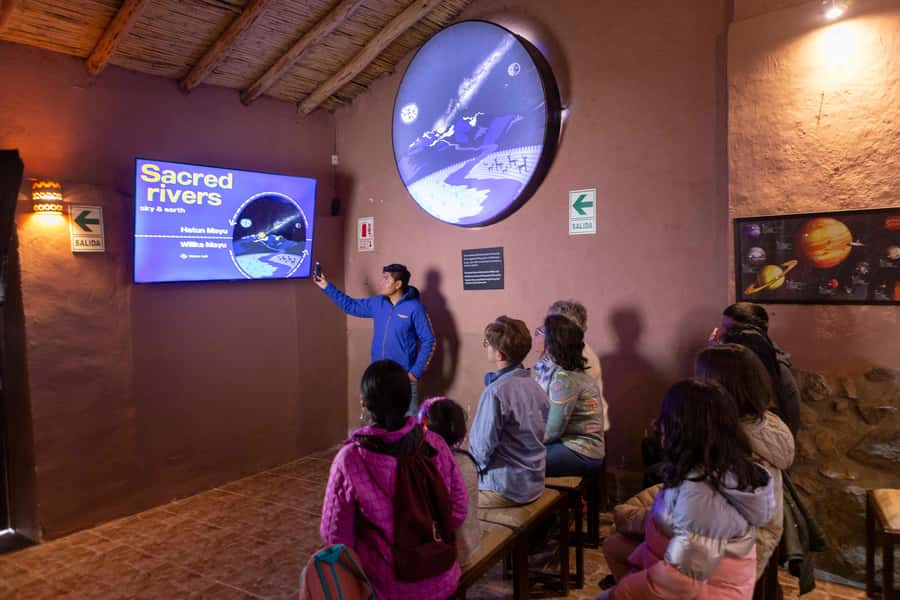
Arrival is planned for about 18:05. The first part takes place in interpretation rooms, where the guide introduces Inka astronomy before you enter the dome.
This opening is important because it gives the later images a cultural frame. You are not just shown points of light and asked to remember names. You begin with the beliefs and observations that shaped Andean ideas about the sky.
The guide speaks in English or Spanish, and the presentation is designed for a general audience. Expect an accessible introduction rather than a specialist lecture. The tone can be warm and humorous, which helps when the subject includes unfamiliar terms and concepts.
A practical tip from the experience itself: ask for or take one of the chairs near the entrance if you want a place to sit with a blanket later. Blankets are available, and they can make the cool evening more comfortable. You should still bring warm clothing. Cusco evenings can feel cold, especially when you are outside waiting for a clear view through the telescope.
The 18:40 dome show and the southern sky
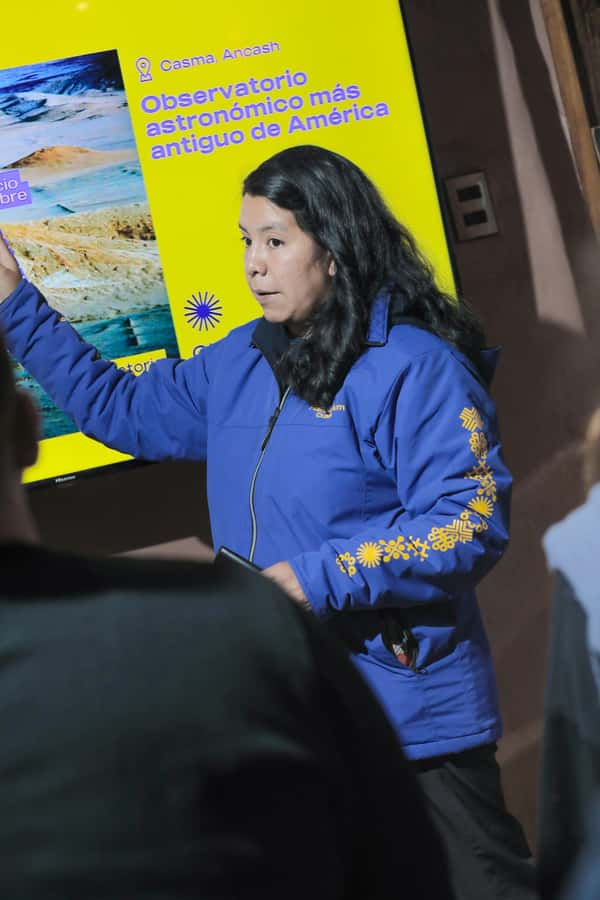
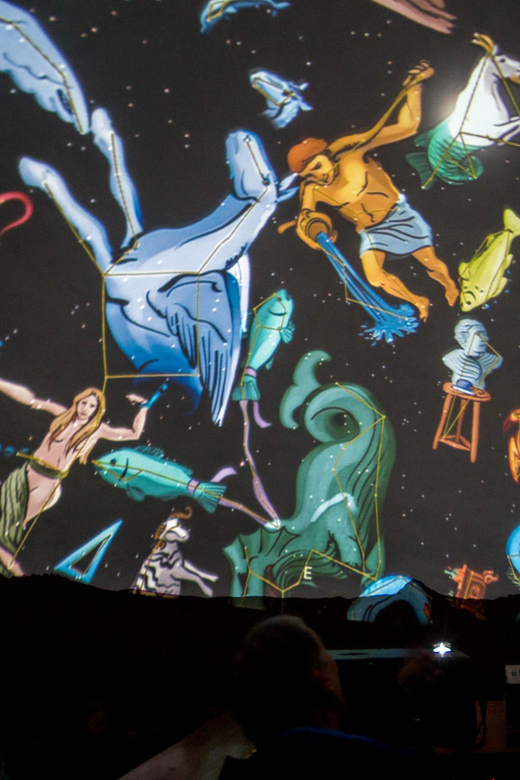
At about 18:40, the group moves into the dome for a virtual projection of the southern sky. This is the heart of the indoor program.
The dome lets the guide control the view and point out Inka constellations in a way that is difficult to manage outdoors. You can follow the explanation without clouds, city lights, or changing visibility getting in the way.
The presentation works best if you come with curiosity rather than a long list of technical questions. The material is aimed at people who want to understand Andean astronomy in a clear, friendly way. If you already study astronomy, some of the basics may feel familiar. One person found the program too simple for that reason, so experienced sky watchers should treat the evening as a cultural introduction rather than an advanced astronomy course.
For most people, the dome is also the safest part of the experience. If clouds gather later, the virtual projection still gives you a full view of the stars and constellations. One recent evening had poor outdoor conditions, yet the dome and indoor presentation still made the visit worthwhile.
More Stargazing Tours around the world:
- Dubai Red Dunes ATV, Camels, Stargazing & 5* BBQ Al Khayma Camp
★ 5.0 · 21,620 reviews - Sharm El-Sheikh: Ultimate ATV Quad, Stargazing & BBQ Dinner
★ 4.7 · 4,084 reviews - Tenerife: Teide National Park Sunset & Stargazing Tour
★ 4.2 · 3,812 reviews - Tenerife: Sunset and Stargazing at Teide National Park
★ 4.7 · 2,826 reviews
Telescope time when the clouds cooperate
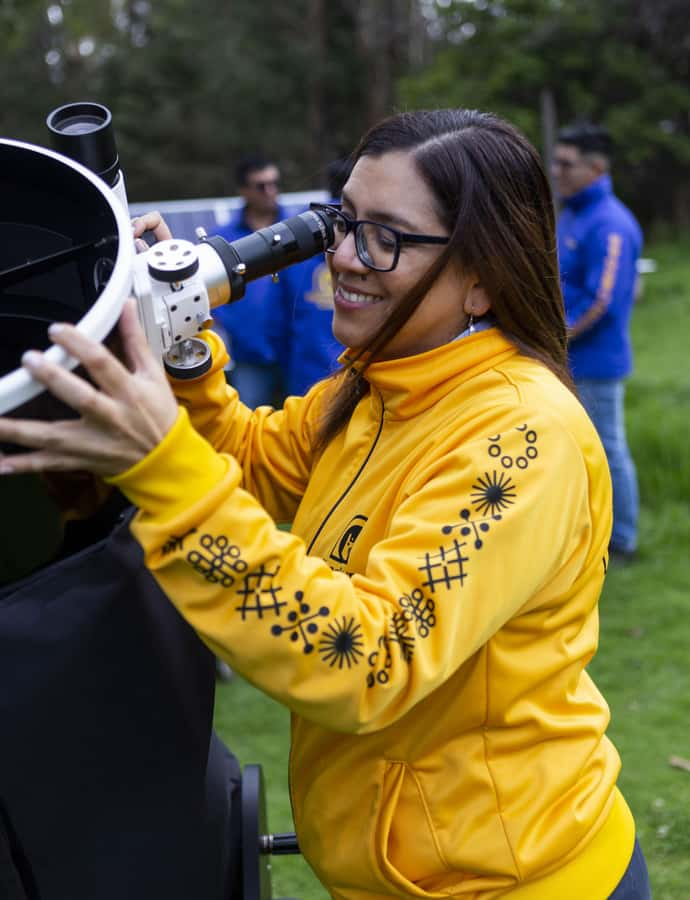
After the dome presentation, the group goes outside for stargazing with telescopes. The exact timing can change to make the best use of the conditions.
This part is weather dependent. The telescope cannot show you much through a thick cloud layer, and the outdoor session may be limited or unavailable. That is not a flaw in the equipment or the guide. It is simply the reality of night-sky viewing.
When conditions are good, the telescope can add a memorable, hands-on finish. The experience has included clear views of stars and planets, with one visitor even seeing Saturn’s rings. That kind of sight is far more personal than a projected image, although you should never book this expecting a guaranteed view of a particular planet.
The staff makes an effort to use short breaks in the clouds when possible. Still, bring the right attitude: the dome is a guaranteed part of the program, while telescope viewing is an opportunity that depends on the sky.
How the small-group format affects the evening
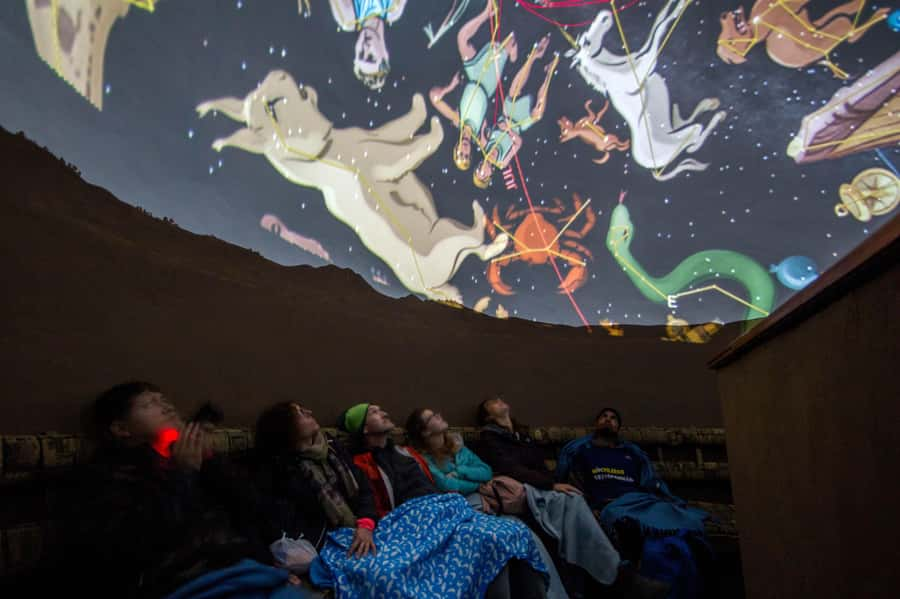
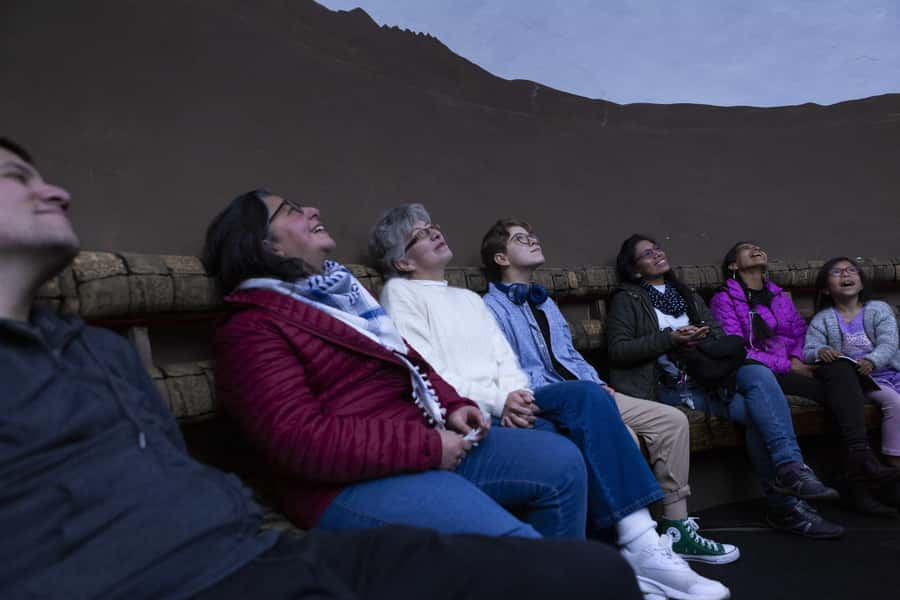
The group size is kept small enough for a more personal connection with the guide. That matters in a planetarium because the quality of the evening depends on being able to follow the explanation and ask questions.
A smaller group also makes telescope viewing easier to manage. Everyone has a better chance to see through the instrument without the experience feeling like a long queue. It can also create a more relaxed mood during the indoor talk.
The atmosphere is friendly and informal. English communication has been strong, and the guides work to keep the program welcoming, humorous, and easy to follow. This suits families with older children, couples, solo visitors, and anyone who wants a quieter evening after sightseeing in central Cusco.
Children under seven are not suitable for this activity. Unaccompanied minors are not allowed. Pets are also not permitted, except for assistance dogs.
What the $28 price really covers
At $28 per person, the price is fair if you value both the cultural explanation and the transport. You are paying for a two-hour evening that includes the ride from Regocijo Square, the Inka astronomy introduction, the dome presentation, and telescope use when weather permits.
That is better value than paying separately for a taxi and a basic planetarium show. The transport also removes a small but real source of stress, especially when returning after dark.
Food is not included, but this is not a serious drawback. The scheduled visit runs from late afternoon into the early evening, so eat before meeting the group or plan a meal afterward in central Cusco. Do not expect a dinner stop or snacks during the program.
The value drops if you want only advanced astronomy or a guaranteed telescope session. In that case, the weather risk and introductory level may disappoint. The price makes the most sense for you if you want an evening that links science with Andean culture.
Timing, clothing, and practical comfort
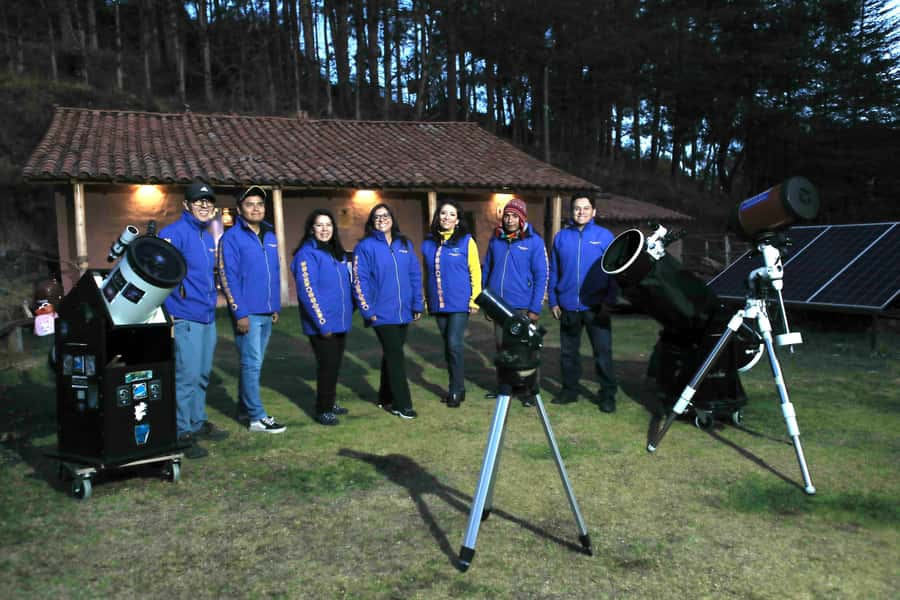
The published schedule places the meeting at 17:30, arrival at about 18:05, the dome program around 18:40, and the return journey at about 19:40. The schedule may shift so the staff can make better use of clear skies.
Wear comfortable shoes because the group walks from the square to the vehicle and moves between indoor and outdoor areas. Warm clothing is essential. The combination of high-elevation night air and standing outside can feel colder than expected.
Blankets are available, which is a nice touch, but they do not replace a jacket or warm layers. If you are prone to feeling cold, bring more clothing than you think you need.
Audio recording is not allowed. Alcohol and drugs are prohibited. These rules are simple, but they matter in a small group where everyone needs to hear the guide and handle the equipment carefully.
You can cancel up to 24 hours before the activity for a full refund, and you can reserve now and pay later. Those options are useful in Cusco, where weather and altitude can affect your plans.
Who will enjoy Planetarium Cusco most
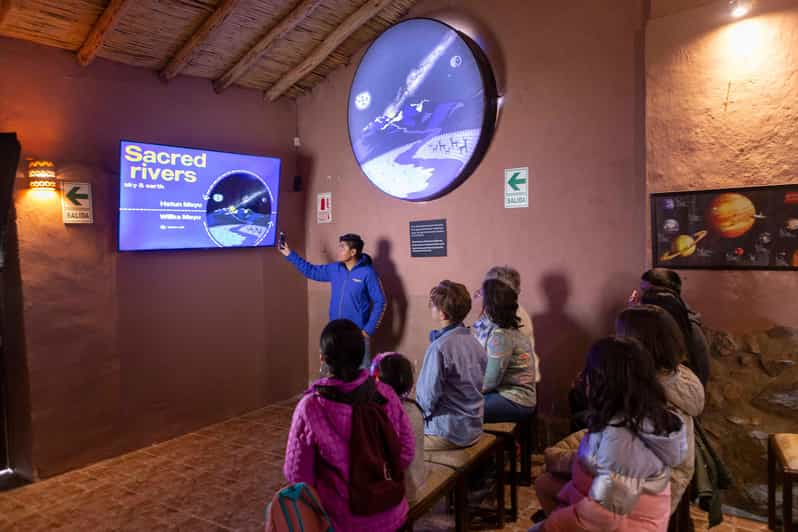
I would recommend this experience to you if you want a compact evening activity with cultural content. It fits well after a day of walking around Cusco because the program is structured, the transport is handled, and the total duration is only two hours.
It is especially suitable for:
- First-time visitors who know little about Inka astronomy
- People curious about the southern sky
- Couples and solo visitors who want a calm evening activity
- Families with children aged seven and older
- Anyone interested in how science and traditional beliefs can sit side by side
You may want to skip it if you are looking for a long, technical astronomy session. The material is introductory, and the guides concentrate on clear explanations rather than specialist detail.
You should also think carefully about the weather. The dome provides a solid indoor program, but telescope viewing is never certain. If seeing stars through an instrument is your main goal, choose a night when conditions look promising, while remembering that forecasts are not guarantees.
Should you book this Andean astronomy experience?
Book it if you want more than a standard city attraction. The evening gives you a clear introduction to Inka ideas about the sky, a well-organized southern-sky projection, and the chance to see real stars and planets through a telescope.
I especially like the balance between culture and science. You learn why the sky mattered to Andean people, then get a modern view of that same sky. The small groups, helpful transport, blankets, and friendly English and Spanish guidance add practical value.
Skip it if you already have advanced astronomy knowledge or if you would be frustrated by a weather-dependent outdoor session. For everyone else, $28 is a reasonable price for a thoughtful, unusual evening close to Cusco.
FAQ
Where does the Planetarium Cusco experience meet?
Meet in the middle of Regocijo Square, next to the fountain. The square is very close to Cusco’s main plaza.
What time does the activity begin?
The group meets at 17:30. The schedule may change slightly to make the best use of stargazing conditions.
How long does the experience last?
The activity lasts about two hours. The planned return to Cusco is around 19:40.
Is transportation included?
Yes. Round-trip transportation from Regocijo Square is included. The ride to the planetarium takes about 10 to 15 minutes.
What languages are available?
The live tour guide service is available in English and Spanish.
Is telescope stargazing guaranteed?
No. Telescope viewing depends on weather conditions. The dome projection and indoor introduction remain part of the program.
What should I bring?
Bring comfortable shoes and warm clothing. Blankets are available during the visit, but you should still dress for a cool evening.
Are children allowed?
Children under seven are not suitable for the activity. Unaccompanied minors are not allowed.
Can I cancel or pay later?
You can cancel up to 24 hours in advance for a full refund. You can also reserve now and pay later.
Just in after dark around the world
- Doha: Night Desert Safari, Stargazing, and Camel Ride★ 5.0 · 2 reviews
- Doha : Night Desert Safari with Dune Bashing & Stargazing★ 5.0 · 4 reviews
- Doha: Night Desert Safari + Camel ride + Stargazing & Relax★ 5.0 · 4 reviews
- Day Trip to Tatacoa Desert (Horseback, Boat, Stargazing, ..)★ 4.4 · 3 reviews
- Christchurch: Lake Tekapo Stargazing & Mount Cook 2-Day Tour★ 5.0 · 6 reviews
- Cabo de Gata: Stargazing Experience★ 4.5 · 7 reviews
- Chile: Astronomical Tour in the Atacama Desert★ 4.8 · 4 reviews
- Cabo de Gata: Guided Night Walk with Stargazing★ 4.7 · 36 reviews
Planetarium Visits, night against night.
Miami: Frost Museum of Science and Planetarium Entry Ticket
Read our review →
Houston Museum of Natural Sciences: Planetarium Ticket
Read our review →
Jasper Planetarium and Telescope Combo Tour Tickets
Read our review →

Cusco by Night: Planetarium Cusco, Dinner, and Pisco Sour
Read our review →
Planetarium and Night Tour with Dinner and Pisco Sour
Read our review →Lists this night appears in