
Review · SAN PEDRO DE ATACAMA
Chile: Astronomical Tour in the Atacama Desert
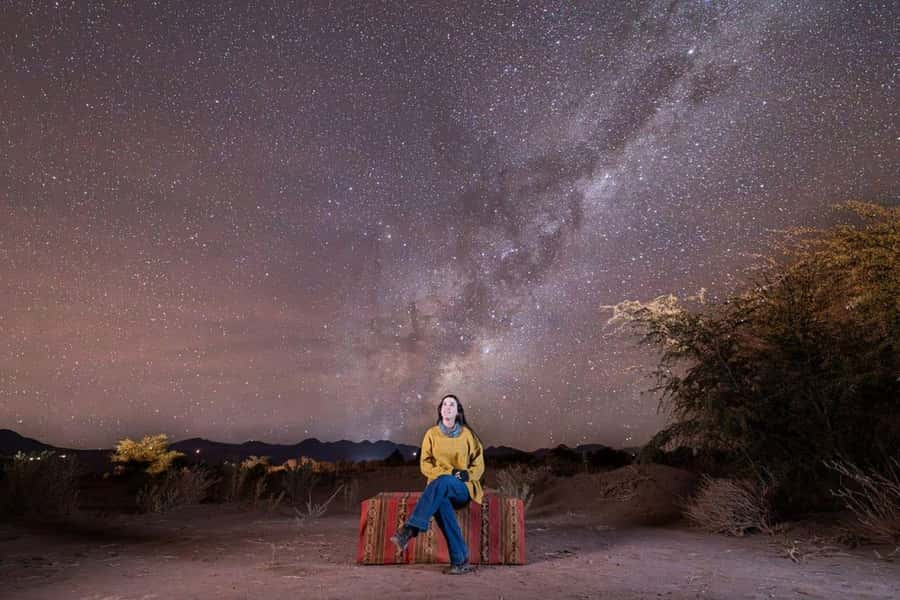
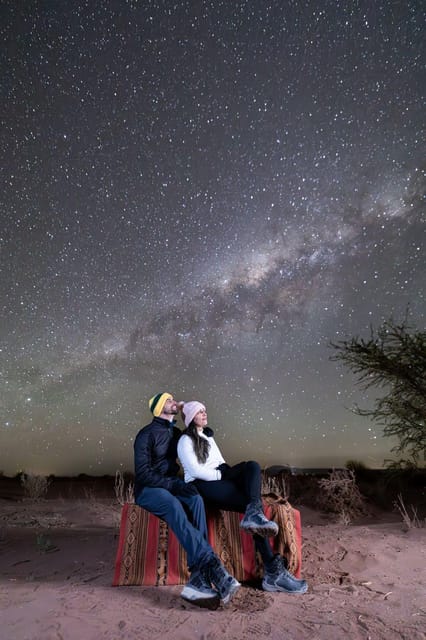
At $100, this 150-minute Atacama night tour puts the main event right overhead: a desert sky sharp enough to reveal planets, star clusters, nebulae, and the Milky Way. The bilingual guides explain what you are seeing in Spanish or English, so this is more than a quick look through a telescope.
I especially like the serious telescope time and the guides’ lively teaching style. You also get help with astrophotography, a drinks bar, and two photographs, useful touches that turn a cold night outside into a complete outing. The main concern is pickup coordination. Several details point to confusion over the meeting time and place, so confirm everything before you go.
Key points at a glance
- Powerful telescopes: View the Moon, Saturn’s rings, nebulae, galaxies, and star clusters when conditions allow.
- 150-minute evening visit: Pickup is scheduled between 9:00 and 9:30 p.m., with the exact time confirmed on the day.
- Spanish and English guidance: Learn about constellations, astronomy, mythology, and the motion of celestial objects.
- Astrophotography help: Get advice for using a professional camera or smartphone, plus two photographs.
- Hotel transfer included with a catch: Return transfer is included, but pickup is listed separately as not included, so ask for precise arrangements.
- Strong teaching, uneven organization: The guides receive the warmest praise, while advance communication needs improvement.
Why the Atacama sky matters
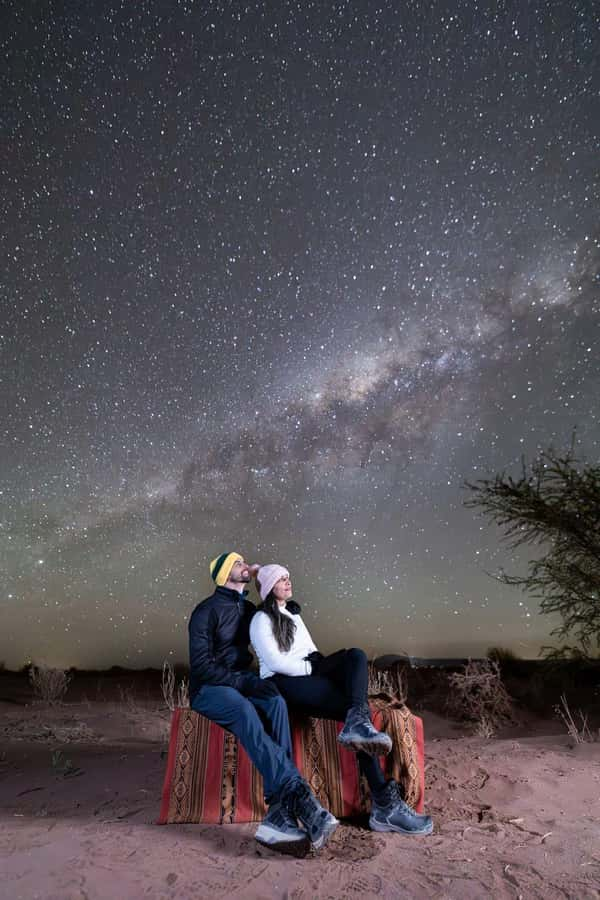
The Atacama Desert is a fine place to study the night sky because three helpful conditions come together: high altitude, very dry air, and little light pollution. Those conditions do not guarantee that every object will appear on every night, but they give the tour a strong natural advantage.
You begin by learning why this part of northern Chile is so useful for astronomy. The guide sets the scene before pointing the telescope upward, explaining how dry air and low artificial light help you see more stars and sharper details.
That context matters. A telescope is only part of the experience. You also need someone to explain what you are looking at, why it appears in a certain position, and how the sky changes through the night. The guide connects those dots in plain language.
The tour is aimed at both first-time stargazers and people who already know their way around the heavens. You do not need a technical background to follow the explanations, and the guide’s enthusiasm helps keep the science from feeling like a classroom lecture.
More Desert Stargazing Safaris in the world:
- Dubai Red Dunes ATV, Camels, Stargazing & 5* BBQ Al Khayma Camp
★ 5.0 · 21,620 reviews - Dubai: Sunset Camel Trek, Al Khayma Camp, Stargazing & BBQ
★ 4.8 · 2,588 reviews - Dubai: Overnight Safari, Dinner, Stargazing & Al Khayma Camp
★ 4.8 · 2,562 reviews
The 150-minute itinerary under the stars
The tour lasts about two and a half hours. The exact order of telescope viewing, sky explanation, drinks, and photographs can vary, but the experience follows a clear pattern.
Meeting the astronomy guide
Your night starts with the transfer arrangement and an introduction to the guide. Pickup is expected between 9:00 and 9:30 p.m., but the operator confirms the actual time on the day of the tour.
This is the part I would handle early and carefully. The supplied details say return transfer to your hotel is included, while pickup is not included. At the same time, the instructions ask you to provide your hotel and address and give a pickup window. That wording is not perfectly clear, so contact the operator and confirm where you should meet, who collects you, and how the return ride works.
That extra check is worth your time. One booking involved an incorrect pickup time and location, followed by a long wait with no useful communication. Another comment also called for better coordination before collection. The guides were praised, but the transfer planning was the weak link.
Learning the celestial sphere
Once the night program begins, the guide introduces the celestial sphere, the apparent dome of the sky around you. You learn how stars, planets, and other objects seem to move and how constellations are identified.
The lesson also reaches beyond modern science. You hear about the stories and myths attached to constellations, along with the ways ancient societies used the stars for navigation, farming, and storytelling.
I like this mix of science and culture. A list of star names can feel dry. A story gives the sky a human connection, while the astronomy explains what is actually happening far beyond the desert.
The guide also discusses star life cycles and the great scale of the universe. These topics give the telescope views more meaning. You are not simply looking at a bright dot. You are learning how stars form, change, and eventually reach the end of their lives.
More Stargazing Tours around the world:
- Sharm El-Sheikh: Ultimate ATV Quad, Stargazing & BBQ Dinner
★ 4.7 · 4,084 reviews - Tenerife: Teide National Park Sunset & Stargazing Tour
★ 4.2 · 3,812 reviews - Tenerife: Sunset and Stargazing at Teide National Park
★ 4.7 · 2,826 reviews - Teide National Park Sunset & Stargazing with Dinner (Star Safari)
★ 5.0 · 2,601 reviews
Telescope viewing: what you might see
The telescope is the heart of the evening. With the right conditions and objects visible during your visit, you might view the Moon’s craters, Saturn’s rings, nebulae, star clusters, distant galaxies, and individual stars.
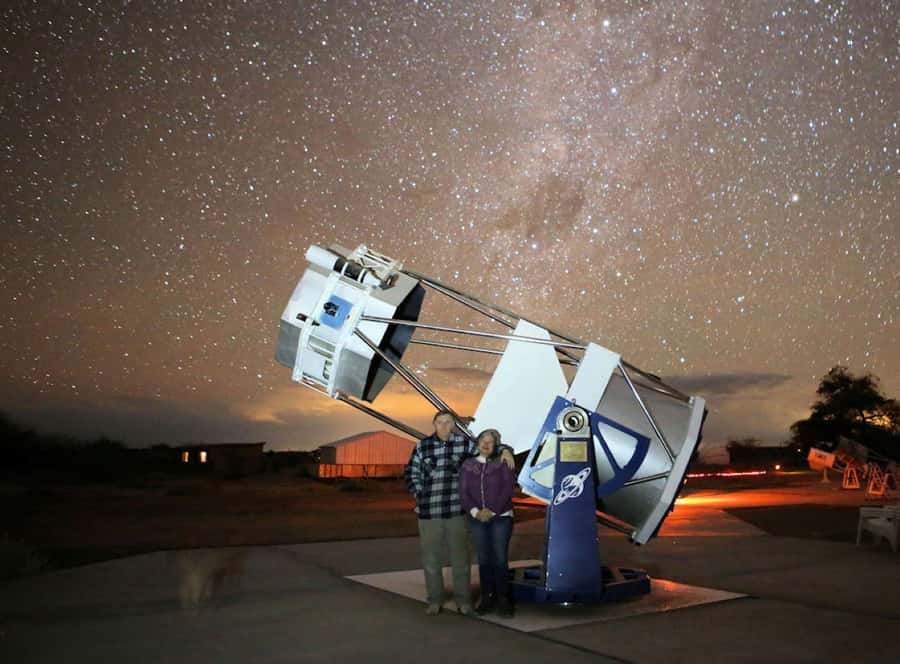
The equipment receives mostly positive feedback, though you should set your expectations correctly. One visitor was impressed that the telescopes still produced clear views during a waxing Moon. Another noted that the very large telescope pictured in promotional material was not present, although newer telescopes were available.
That distinction matters. The tour promises a telescope, not a particular oversized model. If you book mainly for a giant observatory-style instrument, ask what equipment will be in use that night. If your main goal is guided viewing, the available telescopes should still give you plenty to discuss and observe.
Moonlight can change the feel of the evening. A bright Moon may wash out some faint objects, but it can make lunar viewing especially rewarding. The fact that the equipment produced worthwhile views under a crescent Moon is encouraging, though no guide can control the phase, cloud cover, or visibility of every target.
The guide makes the difference here. You may know the Moon or Saturn by sight, but an explanation of craters, rings, star clusters, or nebulae adds depth to a brief look through the eyepiece.
Why the guides receive the highest praise
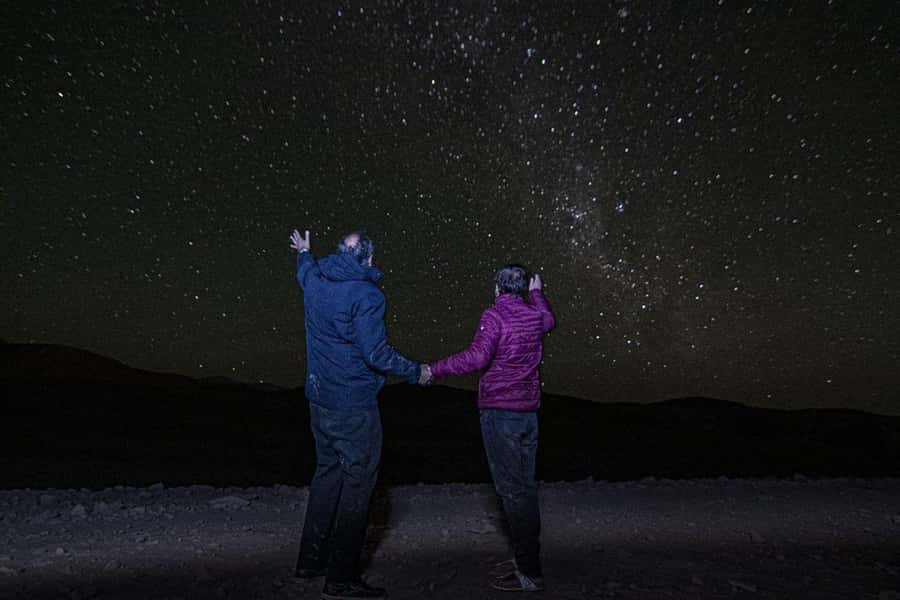
The strongest part of the experience is the human side. The guides are described as enthusiastic, personable, and eager to explain many different subjects.
That praise is specific in its value. A guide who simply points at objects can make a telescope session feel like a queue. A guide who explains the sky, answers questions, and adds stories makes the same equipment much more engaging.
You can expect instruction in Spanish or English. The bilingual format is useful for couples, families, and groups where people have different language preferences. The guide’s role includes astronomy, storytelling, and practical help with taking pictures.
No guide names are provided, so I cannot tell you to request a particular person. Instead, focus on the quality of the astronomy presentation and confirm your preferred language when booking.
Astrophotography and the two included photographs
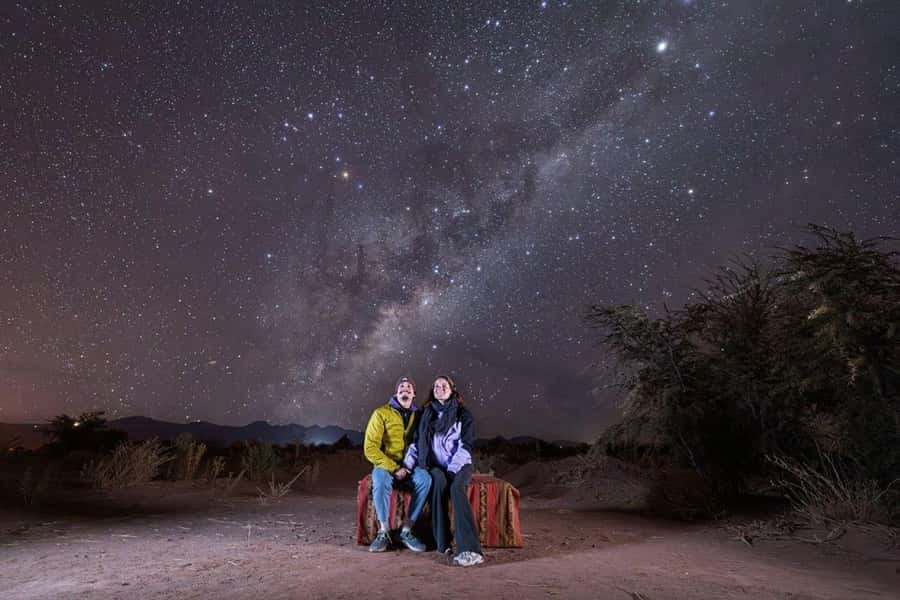
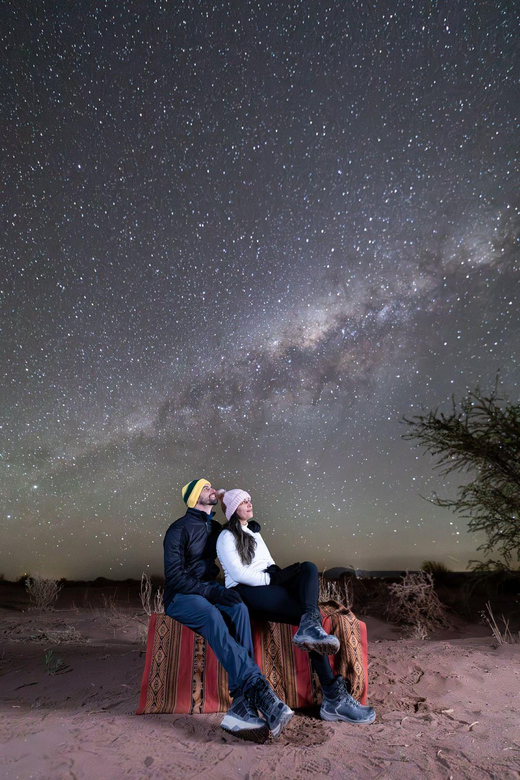
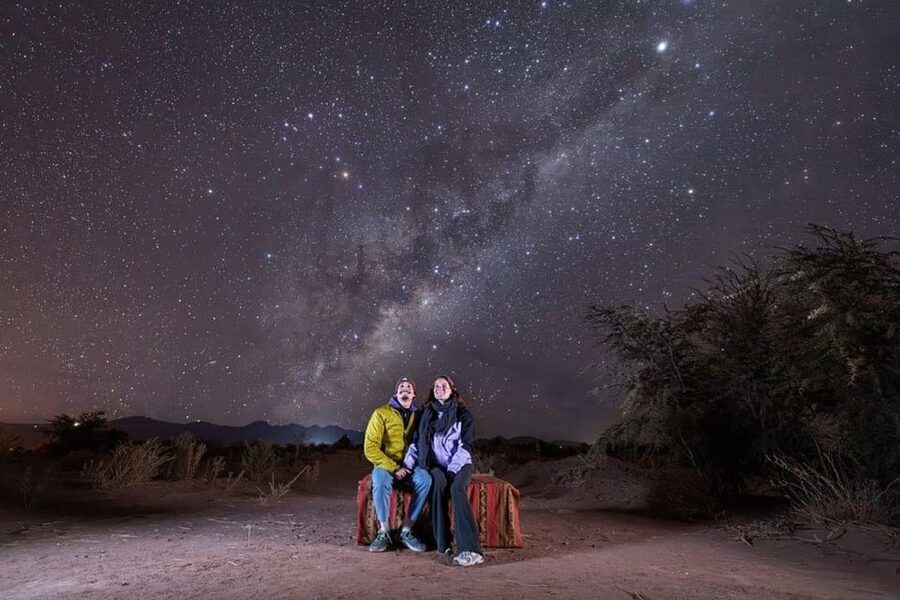
The Atacama sky gives you a strong setting for night photography, and the tour includes guidance for using either a professional camera or a smartphone. You learn how to point your device, frame the sky, and preserve a record of the night.
Keep your expectations grounded. The information does not promise a full professional photography session or a guaranteed image of a particular planet. It does include two photographs, which gives you a useful souvenir without asking you to manage every technical step alone.
This part is especially good for beginners. You do not need to arrive with advanced equipment to take part. If you have a smartphone, you can still ask for help and try to capture the stars above the desert.
The two included photographs also add value to the $100 price. They do not replace the live experience, but they help you remember what you saw after the darkness and the scale of the sky have faded from memory.
Drinks, comfort, and the pace of the evening
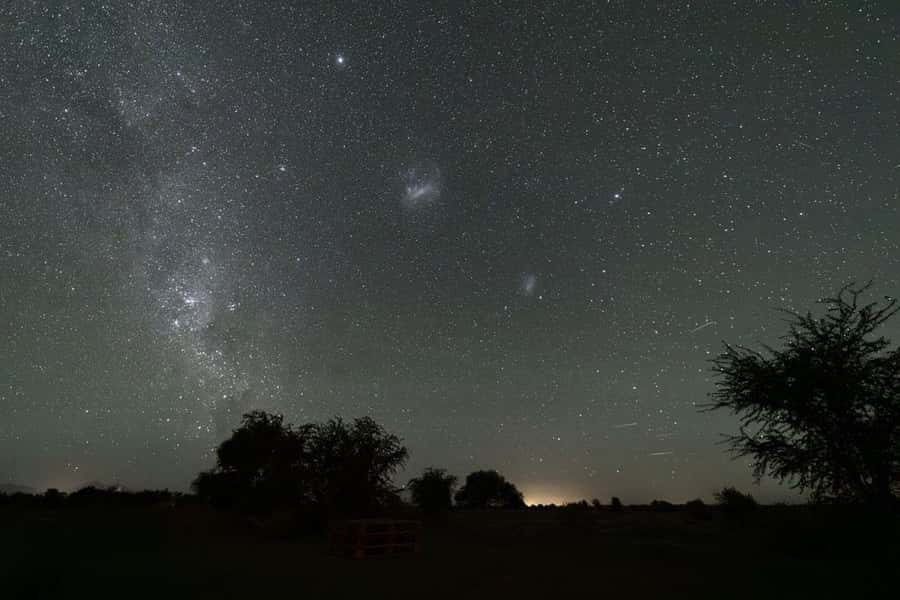
A cocktail with a drinks bar is included. That small hospitality touch breaks up the technical explanations and gives you a relaxed pause during the session.
The tour is long enough to feel substantial but short enough to fit into an evening in San Pedro de Atacama or another nearby base, depending on your hotel arrangement. At 150 minutes, you get time for explanation, telescope viewing, photography, and a final look at the sky without committing to an all-night astronomy program.
The schedule is late. A 9:00 to 9:30 p.m. pickup means you should plan your dinner and evening around the tour. The late start is necessary for a darker sky, but it may be tiring if you have already spent the day on an early desert excursion.
Bring the mindset of a night activity. The provided information does not list clothing or weather advice, so you should ask the operator what conditions to expect and dress for time outside. The tour takes place in the desert at night, and comfort can affect how much you enjoy the telescope session.
Is $100 a fair price?
At $100 per person, the tour is not the cheapest way to look at stars, but the price covers more than access to a dark location. You get a bilingual guide, telescope use, a drinks bar, two photographs, and return transfer to your hotel.
The value is strongest if you want structure. You could look at the sky on your own, but you would miss the explanations about constellation mythology, star movement, astronomy, and cultural uses of the sky. You would also need to arrange your own equipment and figure out how to photograph what you see.
The value is weaker if you expect a particular huge telescope, private instruction, or perfectly managed transportation. The equipment is described as good, but not necessarily the exact large instrument shown in promotional images. Pickup communication also needs attention.
For a first serious stargazing experience, I find the price reasonable because the guide does much of the hard work. For an experienced amateur astronomer carrying a full setup, the tour may offer less added value unless you want local guidance and a social evening under the desert sky.
Practical planning before you book
Enter your hotel name and full address accurately. The operator uses this information to organize the evening, and an incomplete address can make an already delicate transfer plan harder.
Confirm these points on the day before the tour:
- Your exact meeting time
- Your meeting location or pickup arrangement
- The expected return transfer to your hotel
- The language of your guide
- The telescope setup planned for that evening
The operator says the pickup window is 9:00 to 9:30 p.m. and that the exact time is confirmed on the day. Do not treat the entire half-hour as a guaranteed departure time. Keep your phone available and ask for a clear update.
The tour allows free cancellation up to 24 hours before the start for a full refund. You can also reserve now and pay later, which helps if your desert schedule may change.
Who will enjoy this Atacama astronomy tour?
This is a strong choice if you like science but do not want a formal lecture. The guide explains astronomy in an accessible way, then gives you direct access to telescopes and the night sky.
It also suits couples and families looking for a quieter evening after daytime desert outings. The drinks bar and photographs make it feel like a complete event rather than a bare telescope appointment.
Photography beginners should find useful support here, especially if they want to try with a smartphone. People with professional cameras may also enjoy the setting, though the supplied information does not promise advanced camera instruction.
I would be more cautious if transportation stress ruins your evening. The astronomy content receives the best praise, but the pickup process has caused real frustration. Confirming the arrangements is not optional advice here. It is part of making the experience work.
Should you book it?
Book this tour if you want an engaging introduction to the Atacama sky, with a guide who explains both the science and the stories behind the stars. The telescopes, bilingual presentation, photographs, drinks, and strong guide-led teaching make the $100 price sensible for many visitors.
Think twice if you need a specific giant telescope, private service, or flawless pickup organization. Ask about the equipment, confirm the transfer details, and keep your evening flexible.
If you do those things, this is a worthwhile way to spend a late night in northern Chile. The best moment is not just seeing Saturn’s rings or a bright cluster through the eyepiece. It is understanding what you are seeing, then stepping back and taking in the whole Atacama sky.
FAQ
How long does the astronomical tour last?
The tour lasts 150 minutes, or two and a half hours.
How much does the tour cost?
The listed price is $100 per person.
What languages are available?
The live guide speaks Spanish and English.
What time is pickup?
Pickup is scheduled between 9:00 and 9:30 p.m. The operator confirms the exact time on the day of the tour.
Is hotel transfer included?
Return transfer to your hotel is included. Pickup is listed separately as not included, so you should confirm the exact collection arrangement with the operator.
What equipment is included?
Telescope use is included. The experience uses observation equipment for viewing stars, planets, nebulae, galaxies, and star clusters.
Can I take photographs?
Yes. The tour includes astrophotography guidance for professional cameras or smartphones, along with two photographs.
Are drinks included?
Yes. A cocktail with a drinks bar is included.
Can I cancel for a refund?
You can cancel up to 24 hours in advance for a full refund.
Can I reserve now and pay later?
Yes. The tour offers a reserve-now, pay-later option.
Just in after dark around the world
- Doha: Night Desert Safari, Stargazing, and Camel Ride★ 5.0 · 2 reviews
- Doha : Night Desert Safari with Dune Bashing & Stargazing★ 5.0 · 4 reviews
- Doha: Night Desert Safari + Camel ride + Stargazing & Relax★ 5.0 · 4 reviews
- Day Trip to Tatacoa Desert (Horseback, Boat, Stargazing, ..)★ 4.4 · 3 reviews
- Christchurch: Lake Tekapo Stargazing & Mount Cook 2-Day Tour★ 5.0 · 6 reviews
- Cabo de Gata: Stargazing Experience★ 4.5 · 7 reviews
- Cabo de Gata: Guided Night Walk with Stargazing★ 4.7 · 36 reviews
- Björkliden/Abisko: Night Sky Snowmobile Tour★ 4.6 · 9 reviews
Desert Stargazing Safaris, night against night.

Dubai Red Dunes ATV, Camels, Stargazing & 5* BBQ Al Khayma Camp
Read our review →
Sunset Camel Trek, Al Khayma Camp, Stargazing & BBQ
Read our review →
Overnight Safari, Dinner, Stargazing & Al Khayma Camp
Read our review →
Dubai Overnight Desert Safari, BBQ & Stargazing at Al Khayma Camp
Read our review →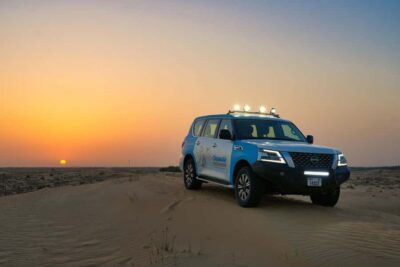
Evening Desert Safari with Camel Ride & Stargazing
Read our review →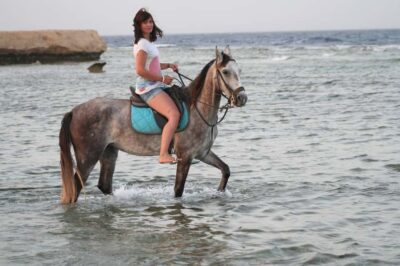
Sea & Desert Horse Tour, Stargazing, Dinner & Show
Read our review →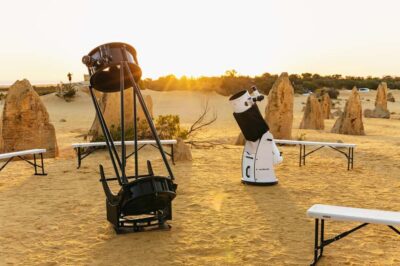
Pinnacles Desert: Sunset BBQ & Stargazing Tour +Sandboarding
Read our review →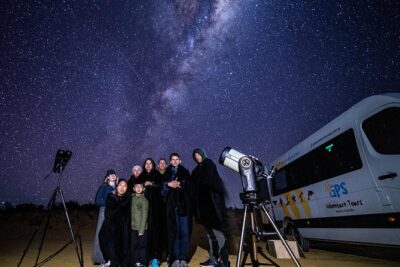
Pinnacles Desert Sunset Dinner and Stargazing Tour
Read our review →Lists this night appears in