
Review · CHILE
Easter Island: Rapa Nui Stargazing Tour
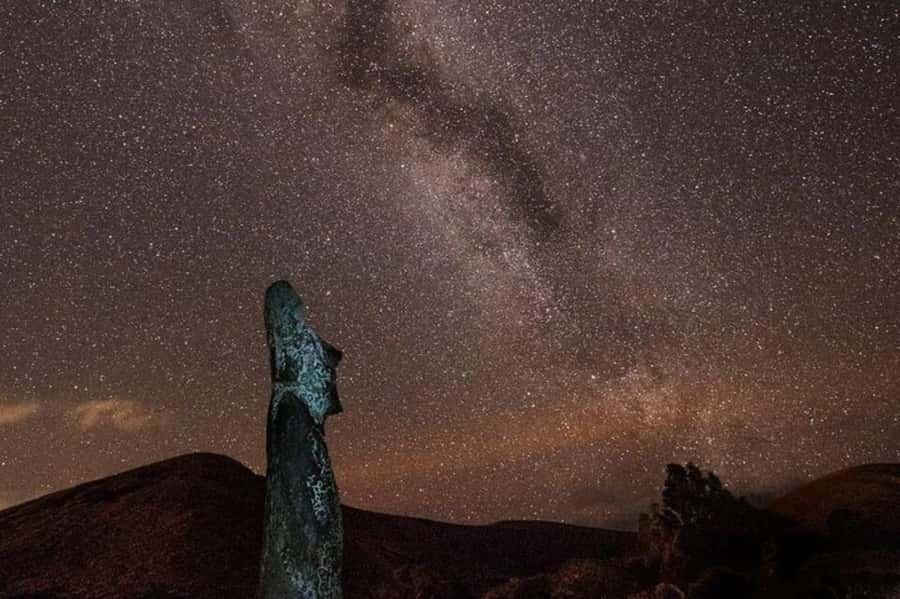
Rapa Nui’s moai are striking by daylight, but seeing them beneath a Southern Hemisphere sky gives the island a different mood. This three-hour outing connects the statues and old observation sites with Polynesian wayfinding, then gives you time at a remote site with a telescope. The night setting is the real draw.
I like the link between astronomy and Rapa Nui culture, and I like that the group is limited to 12 people. The hot chocolate, local cake, hotel drop-off, and digital photo are useful touches. The main catch is price: at $140 per person, the experience depends heavily on clear skies, and a cloudy night can leave you with less to see.
Key points to know before booking
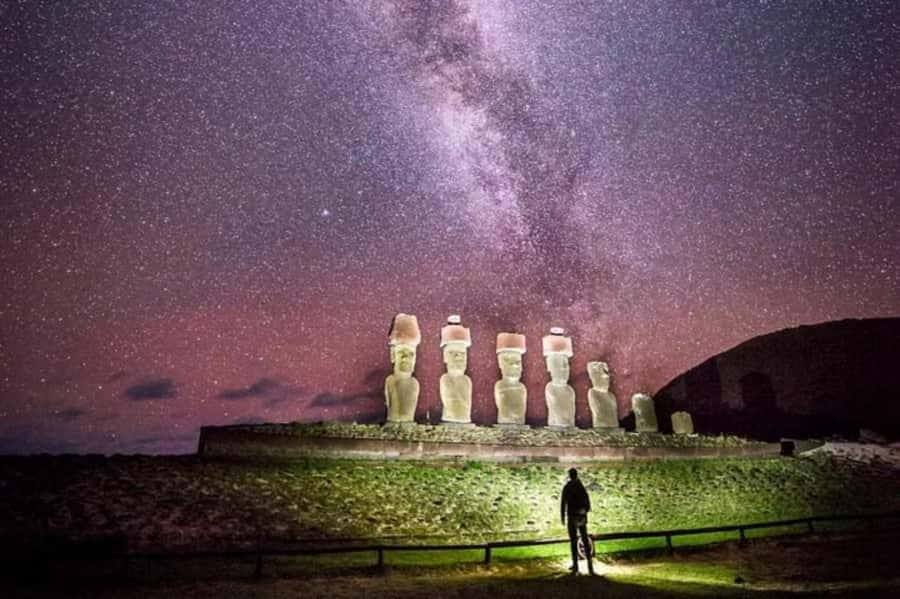
- Ahu Nau Nau after dark: You may have access to the moai and beach area at night for photos, a rare change from the usual daytime visit.
- Polynesian wayfinding: The guide explains how stars, constellations, and the sea worked together to guide long ocean journeys.
- Southern Hemisphere sky: You can see stars and constellations that are not visible from northern parts of the world.
- Telescope viewing: A remote observation site provides time to view stars and planets through a telescope.
- Small group, seasonal start: The maximum is 12 people, with departures at 21:00 in summer and 19:00 in winter.
- Weather matters: The tour can be moved or refunded if the sky is unsuitable, and it does not operate from four days before to two days after a full moon.
Why Rapa Nui’s night sky matters
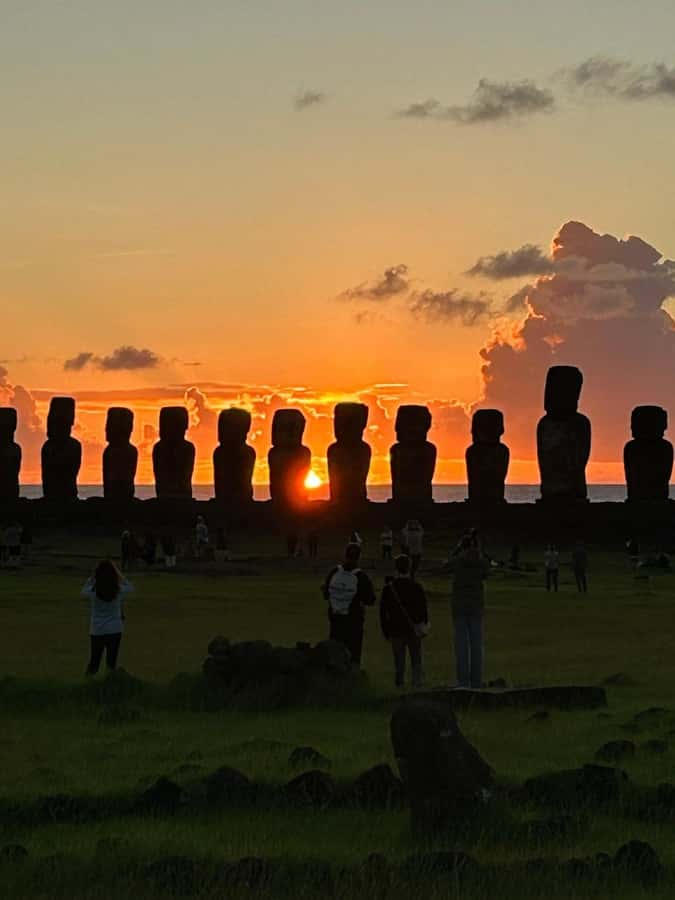
This is not simply a telescope session in a scenic place. The tour uses the sky as a way to explain how Polynesian people reached and settled one of the most isolated islands on Earth.
Your guide introduces basic astronomy, then connects it with traditional voyaging. You learn how navigators used stars and constellations as reference points, along with their understanding of the ocean and direction. That cultural link gives the activity more weight than a standard look-through-the-telescope stop.
I especially like this approach because the subject fits Rapa Nui. The island is known for its moai, but the people who built and moved them were also skilled ocean navigators. Looking upward helps you think about the island as part of the wider Polynesian world, rather than as an isolated archaeological site.
The tour also covers the archeo-astronomy of Rapa Nui. In plain terms, that means examining how places and structures may relate to the sun, stars, seasons, or directions. The experience is introductory rather than an advanced astronomy class, so you do not need technical knowledge to follow along.
More Stargazing Tours around the world:
- Dubai Red Dunes ATV, Camels, Stargazing & 5* BBQ Al Khayma Camp
★ 5.0 · 21,620 reviews - Sharm El-Sheikh: Ultimate ATV Quad, Stargazing & BBQ Dinner
★ 4.7 · 4,084 reviews - Tenerife: Teide National Park Sunset & Stargazing Tour
★ 4.2 · 3,812 reviews
Meeting at Katipare Library after sunset
You meet in front of Katipare Library, also called Centro Lector Katipare, in Hanga Roa. Hotel pickup is not included, so plan to reach the library on your own.
The start time changes with the season. In summer, the meeting time is 21:00. In winter, it is 19:00. Check your confirmed time carefully, since the difference affects dinner plans and how much of your evening remains free.
From the meeting point, a driver and guide take you toward traditional observation sites. The transport matters here because the tour is designed around getting away from ordinary town lighting. The exact route and stops can vary with conditions, but the aim is a darker setting where the sky is easier to read.
The group size is capped at 12 people. That is small enough for a guide to explain the sky without turning the telescope into a queue for a large crowd. It also gives you a better chance to ask about navigation, constellations, and the archaeological sites.
Learning how Polynesian voyagers found their way
The first part of the experience focuses on the practical side of Polynesian navigation. You hear how voyagers used the night sky to maintain direction across open ocean and how familiar stars helped them recognize their position.
This is a useful part of the evening even if clouds later limit the viewing. The subject gives you a way to understand the courage and skill involved in reaching Rapa Nui long before modern navigation equipment.
Your guide provides live commentary in English or Spanish. The guide named in the experience is Marc, though one description also spells the name as Mark. His presentation can include personal touches, including a traditional song. One evening ended with a song written and performed by Marc, while another included a traditional song to close the night.
That musical element is not a guaranteed part of the published inclusions, so I would treat it as a possible bonus rather than a promised performance. Still, it fits the setting far better than a rushed technical lecture would.
Ahu Nau Nau and the moai under the stars
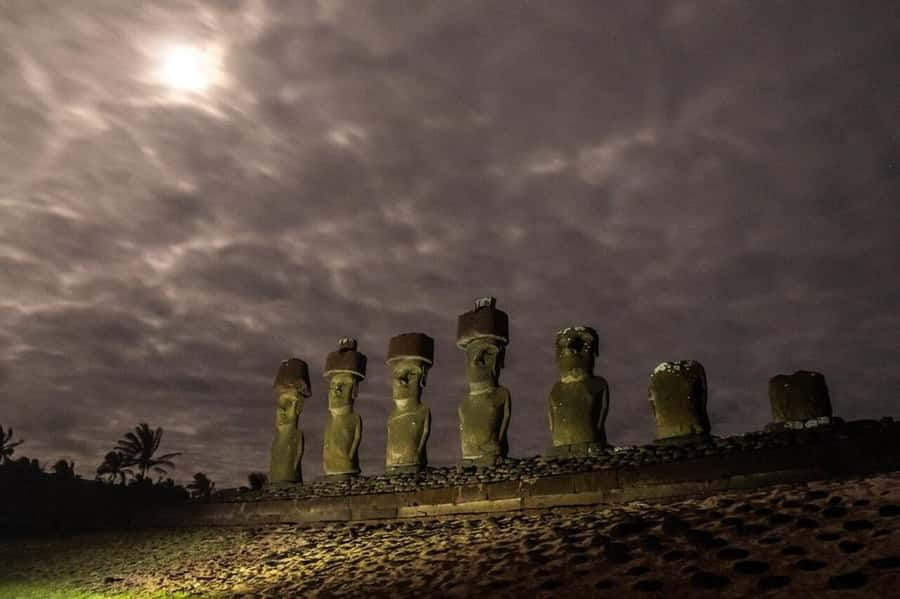
One of the most memorable features is nighttime access to Ahu Nau Nau. The site is associated with moai and the beach area, and the dark setting changes how you see the stone figures.
During the day, you tend to study the statues as archaeological objects. At night, you may notice their silhouettes, the open sky behind them, and the distance from ordinary town life. The tour includes time for a digital photo, and you may also take your own pictures.
The photo opportunity is a real plus for anyone who wants a lasting record of the evening. You may be able to take personal night photos with a tripod, as this was allowed on one outing. Bring your own equipment if that matters to you, since the included digital photo is not a replacement for a full photography session.
Keep your expectations sensible. A dark beach and moai make a strong setting, but night photography depends on the moon, clouds, equipment, and the guide’s timing. The tour is built around astronomy and interpretation, not a guaranteed professional photo package.
Same stars, another vantage point:
- Tenerife: Sunset and Stargazing at Teide National Park
★ 4.7 · 2,826 reviews - Teide National Park Sunset & Stargazing with Dinner (Star Safari)
★ 5.0 · 2,601 reviews - Dubai: Sunset Camel Trek, Al Khayma Camp, Stargazing & BBQ
★ 4.8 · 2,588 reviews - Dubai: Overnight Safari, Dinner, Stargazing & Al Khayma Camp
★ 4.8 · 2,562 reviews
Telescope time at a remote observation site
The telescope session is the hands-on center of the tour. At a remote observation site, you view stars and planets through the telescope while the guide explains what you are seeing.
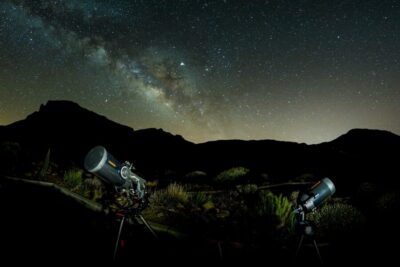
The quality of this part depends on the night. On a clear evening, the telescope gives you a closer look than your eyes alone can provide, and the Southern Hemisphere location adds stars and constellations unfamiliar to many people from Europe or North America.
On a less active night, the session can feel quieter. You may spend a good amount of time with the telescope but have fewer objects or explanations than you hoped for. That is not necessarily poor guiding. Astronomy has limits, and the tour cannot create planets, bright stars, or perfect visibility when conditions do not cooperate.
This is why I would book the experience for the full idea, not only for telescope targets. You are paying for the setting, the cultural explanation, the dark-sky outing, and the chance to connect astronomy with Rapa Nui. If your only goal is to see a long list of celestial objects, the price may feel high.
Coffee, cake, and the human touch
Hot chocolate and local cake are included during the evening. On a cool night, this simple break is welcome, especially because the activity takes place outdoors and lasts about three hours.
The refreshment also gives the evening a relaxed rhythm. You are not moving from explanation to telescope to transport without a pause. You have time to look around, talk with the guide, and enjoy the setting.
The digital photo is included as well. You can take your own photos, but remember that personal cameras and phones may need a tripod for useful night images. A phone can record the moment beside the moai, but it may not capture the sky as clearly as your eyes do.
Hotel drop-off is included at the end. Since pickup is not included, the practical arrangement is simple: make your own way to Katipare Library, then return to your hotel after the tour.
Is $140 a fair price?
At $140 per person, this is not a budget evening activity. The price includes a driver and guide, live commentary, telescope access, nighttime site access, hot chocolate, local cake, a digital photo, and hotel drop-off.
The value is strongest if you care about three things at once: Rapa Nui culture, Polynesian navigation, and astronomy. You also gain a small group experience with a maximum of 12 people, which is more personal than a large evening excursion.
The value is weaker if you want guaranteed clear skies or a long, action-filled program. One three-star assessment found the night had limited activity despite good telescope time, and the cost did not feel justified. That is a fair warning. Three hours can feel short if clouds cover the sky or if you expected a packed schedule.
I would compare the price with what you want from Easter Island. If you have already seen the major archaeological sites by day and want a different way to understand Rapa Nui, the evening adds something distinct. If your budget is tight, you may prefer to spend more time at daytime sites and look at the night sky independently.
Weather, moonlight, and what you should plan around
Clear weather is essential. If poor conditions cancel the activity, you are offered another date or a full refund. The same applies if the minimum number of participants is not reached, with the option of another date, another experience, or a refund.
The full moon also affects the schedule. This tour does not operate from four days before the full moon through two days after it. Bright moonlight can wash out faint stars, so the restriction is designed to protect the night-sky experience.
This timing rule is important when planning a short stay on Easter Island. Check the lunar dates before you book, then leave some flexibility in your itinerary if possible. A clear night is never guaranteed, but choosing a darker moon period gives the tour a better chance.
You should also wear footwear suitable for uneven ground. The route is not suitable for wheelchair users, and one older participant found the uneven surface difficult to navigate safely. A small light could be useful, but avoid shining it toward the telescope or other people’s cameras.
Who will enjoy this three-hour outing?
I would recommend the tour to you if you like cultural explanation as much as scenic viewing. It suits anyone curious about how Polynesian voyagers navigated, how archaeology connects with the sky, or what the Southern Hemisphere looks like after dark.
It is also a good choice for couples and small groups who want an evening that feels different from a standard dinner or daytime site visit. The moai, dark beach, telescope, and possible music give it a memorable shape.
Families with older children may enjoy the practical astronomy, though the uneven ground and late start are worth considering. The activity is not suitable for wheelchair users.
I would be more cautious if you are uncomfortable outdoors at night, dislike flexible plans, or need guaranteed photographic results. The experience relies on nature, and nature may offer a quiet sky rather than a dramatic show.
Booking details worth knowing
The activity lasts three hours, and the maximum group size is 12. English and Spanish are available, and you receive booking confirmation within 48 hours of purchase.
You can cancel up to 24 hours in advance for a full refund. This policy gives you some room to adjust plans, but it does not remove the need to check the seasonal meeting time and moon phase.
Bring your National Park ticket. Admission is not included, and you will need it for access to the relevant protected area. Meet at Katipare Library rather than waiting for a pickup at your hotel.
Should you book the Rapa Nui Stargazing Tour?
Book it if you want the night sky explained through Rapa Nui culture, not just pointed out through a telescope. The strongest parts are the Polynesian navigation lesson, the chance to see Ahu Nau Nau after dark, the small group, and the possibility of a personal musical finish from Marc.
Skip it if $140 feels too high for an activity that depends on weather, moonlight, and what is visible on a given night. You should also think twice if you want constant activity or a guaranteed list of planets and stars.
For the right person, this is a thoughtful evening that gives the moai and the island a new setting. Plan around the moon, accept that the sky makes the final decision, and you will have a better sense of what you are paying for.
FAQ
Where does the tour meet?
You meet in front of Katipare Library, also called Centro Lector Katipare, in Hanga Roa, Easter Island.
What time does the tour start?
The meeting time is 21:00 in summer and 19:00 in winter. Check availability and your booking confirmation for the exact time.
How long does the experience last?
The stargazing tour lasts three hours.
Is hotel pickup included?
No. You must reach Katipare Library on your own. Hotel drop-off is included after the tour.
What languages are available?
The live guide is available in English and Spanish.
Is the National Park ticket included?
No. You need to have your own National Park ticket.
What happens if the weather is bad?
If poor weather causes a cancellation, you are offered a different date or a full refund.
Does the tour operate around the full moon?
No. The tour is not available from four days before the full moon through two days after the full moon.
Is the activity suitable for wheelchair users?
No. The experience is not suitable for wheelchair users, and some ground may be uneven.
Just in after dark around the world
- Exmouth: Summer Sunset Turtle Watching and Stargazing Tour★ 5.0 · 2 reviews
- Esperance: Astronomy Night Experience★ 5.0 · 5 reviews
- Excursion to the Planetarium of Cusco | New experience★ 3.3 · 3 reviews
- Dubai: Private Night Safari & Astronomy with 3-Course Dinner★ 4.3 · 25 reviews
- Doha Sunrise/Sunset or Night Stargazing desert safari.★ 5.0 · 3 reviews
- Doha: Private Desert Safari at Night with Stargazing★ 4.7 · 24 reviews
- Dubai: Overnight Safari with Luxury Dome Stay & Stargazing★ 5.0 · 13 reviews
- Doha: Stargazing Desert Safari w/ Dune Bashing & Camel Ride★ 5.0 · 14 reviews
Stargazing Tours, night against night.

Dubai Red Dunes ATV, Camels, Stargazing & 5* BBQ Al Khayma Camp
Read our review →
Teide National Park Sunset & Stargazing with Dinner (Star Safari)
Read our review →
Sunset Camel Trek, Al Khayma Camp, Stargazing & BBQ
Read our review →
Overnight Safari, Dinner, Stargazing & Al Khayma Camp
Read our review →
Dubai Overnight Desert Safari, BBQ & Stargazing at Al Khayma Camp
Read our review →
Sunset Quad Bike, Camel w/ Opt Stargazing and BBQ
Read our review →Lists this night appears in