Review · TENERIFE
Tenerife. Stargazing in Teide National Park
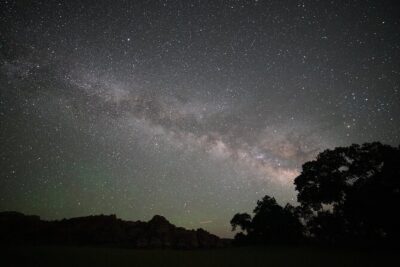
Teide National Park becomes a natural astronomy classroom after dark. Away from city lights, you can watch planets, star clusters, galaxies, nebulae, and double stars through a high-end telescope while Roberto explains what you are seeing in clear, friendly language. The small group keeps the session calm and gives you time at the telescope.
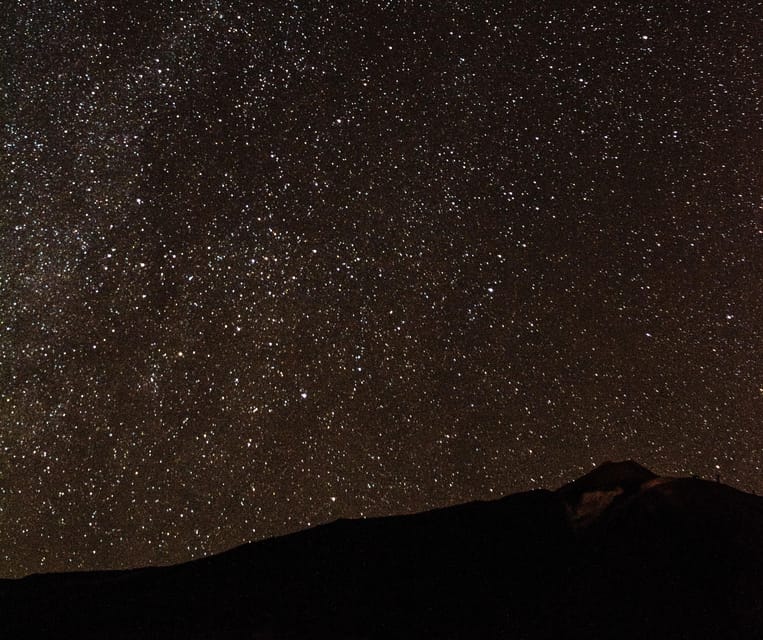
I especially like the mix of science and sky lore, plus the free night portraits that Roberto takes with the stars and Teide behind you. I also like the practical care: water, chocolate, and blankets or extra warm layers may be available when the mountain air bites.
The main catch is the cold. At around 2,000 meters, wind can make the night feel much colder than the forecast suggests, so this is not an activity for light holiday clothing. You also need to reach the meeting point yourself.
Key points to know before you go
- Roberto’s clear, lively explanations: He covers astronomy, constellations, mythology, and sky movements in English and Spanish.
- An impressive telescope: The equipment is suited to viewing planets, star clusters, nebulae, galaxies, the Moon, and double stars.
- A true small-group session: Groups of around 10 to 12 people allow time for questions and repeated looks through the telescope.
- Free night-sky portraits: You receive photos of the experience, sometimes with Teide, stars, or playful lightsaber effects in the frame.
- A cold mountain setting: Temperatures near 3 Celsius and strong wind have been reported, so pack more warmly than you think necessary.
- A self-drive outing: There is no transfer, lunch, or drink included, though water and chocolate may be provided during the session.
Why Teide is such a good place for stargazing
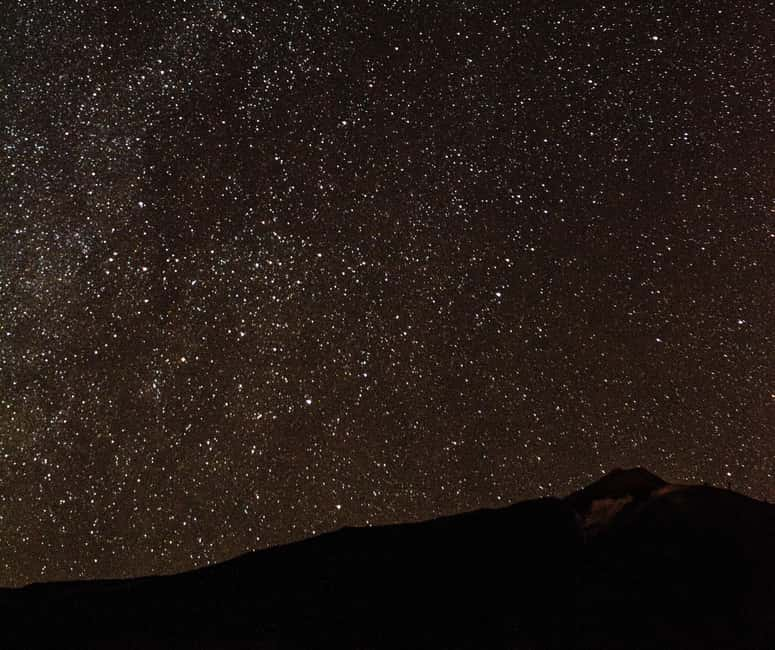
This is not a quick look at the Moon from a hotel terrace. The setting in Teide National Park gives the evening its real value.
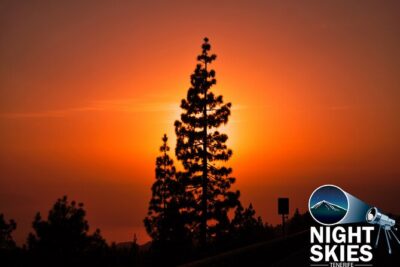
The meeting point is beside Ermita de las Nieves, high in the park and away from the bright lights of Tenerife’s resorts. The activity begins about 40 minutes after sunset, giving the sky time to darken before the main observation starts. That timing matters. You may see the last color fade from the western sky, then watch stars appear in stages as the darkness builds.
At this altitude, the air can be much cooler than on the coast. The trip up is part of the experience, but it also means you should check the forecast for the mountain rather than the beach town where you are staying. One person reported a temperature of 3 Celsius with strong wind, while another prepared for 10 to 12 degrees and still advised bringing warm clothes.
I would allow extra time for the drive. The road can be busy around sunset, when people head up for viewpoints and evening activities. Starting early also gives you a chance to stop for sunset photographs, though you should still arrive at the stated meeting point on time.
More National Park Stargazing in Spain
- Tenerife: Teide National Park Sunset & Stargazing Tour
★ 4.2 · 3,812 reviews - Tenerife: Sunset and Stargazing at Teide National Park
★ 4.7 · 2,826 reviews - Teide National Park Sunset & Stargazing with Dinner (Star Safari)
★ 5.0 · 2,601 reviews
Meeting Roberto beside Ermita de las Nieves
You meet Roberto next to the Ermita de las Nieves. There is no hotel pickup, so you need your own car or another way to reach Teide National Park. The location is described as easy to find, with plenty of parking, but the mountain roads and evening traffic deserve a little planning.
Roberto’s role is more than pointing a laser at the sky. He keeps the session moving in two languages and checks that people understand before moving on. That matters in a mixed group, especially if your Spanish is basic or you are attending with children.
His style suits beginners. He does not assume that you already know the difference between a planet, star cluster, nebula, or galaxy. He explains the main ideas in plain terms, then adds detail for people who want more. A parent with a 9-year-old found the session accessible for the whole family, while an experienced amateur astronomer appreciated the quality of the telescope and the range of objects observed.
The group usually remains small, with roughly 10 or 11 people mentioned in the activity details. That is a useful size for stargazing. A much larger crowd would mean longer waits at the eyepiece and fewer chances to ask questions.
Reading the sky without feeling lost
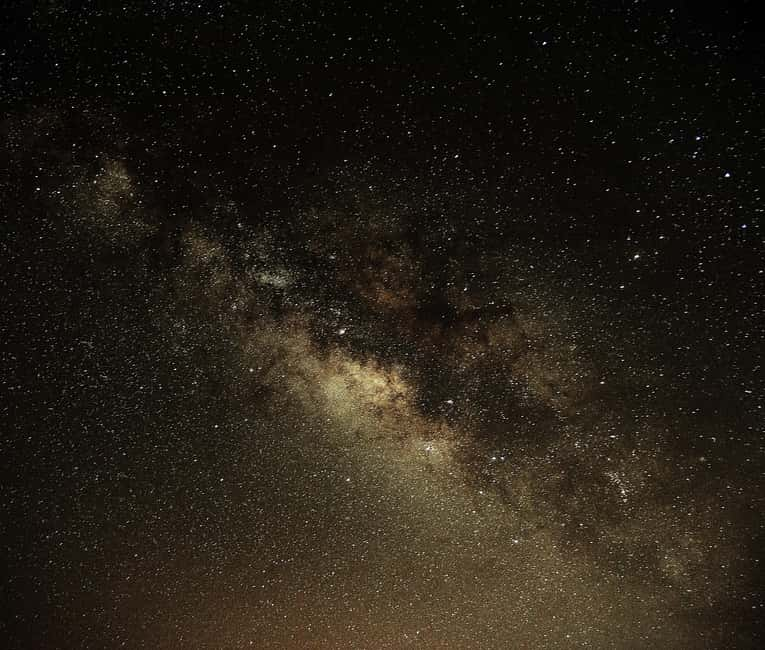
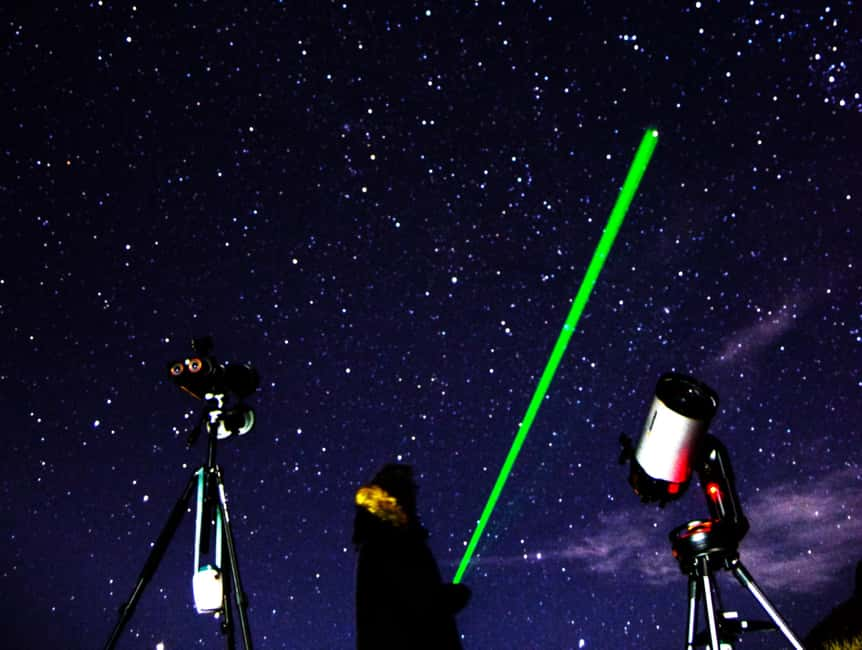
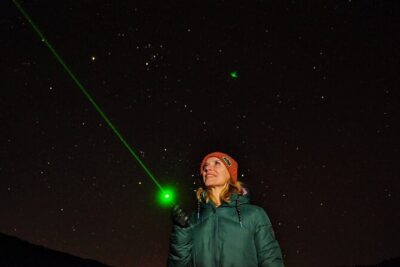
The opening part of the session helps you understand what you are looking at with the naked eye. Roberto uses laser technology to identify major stars and constellations, explains the movement of the celestial sphere, and shows how the sky changes through the night.
This is one of the strongest parts of the activity for a first-time observer. A dark sky can be overwhelming at first. There are so many points of light that it is hard to know where to begin. Learning a few major constellations gives you a way to get your bearings and recognize patterns after you return home.
The discussion also includes the history and mythology connected with the sky. That gives the constellations a human story without turning the session into a formal lecture. Roberto mixes science with traditional sky lore, and his humor helps keep the explanations lively.
The bilingual format can make the evening take slightly longer than a single-language session, but it also makes the activity more inclusive. Spanish and English are available, and the guide makes an effort to ensure that both language groups can follow along.
What you may see through the telescope
The exact objects depend on the date, the weather, and what is visible in the night sky. Still, the activity has included a broad range of targets.
You may look at planets, the Moon, star clusters, double stars, nebulae, and galaxies. Saturn and its rings have been seen during some sessions. Neptune, Andromeda, the Milky Way, comets, shooting stars, and different kinds of star clusters have also been observed on suitable nights.
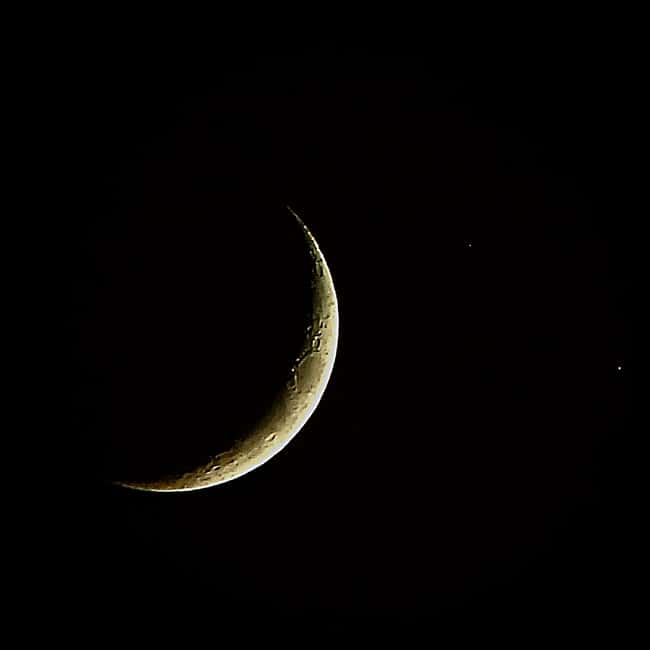
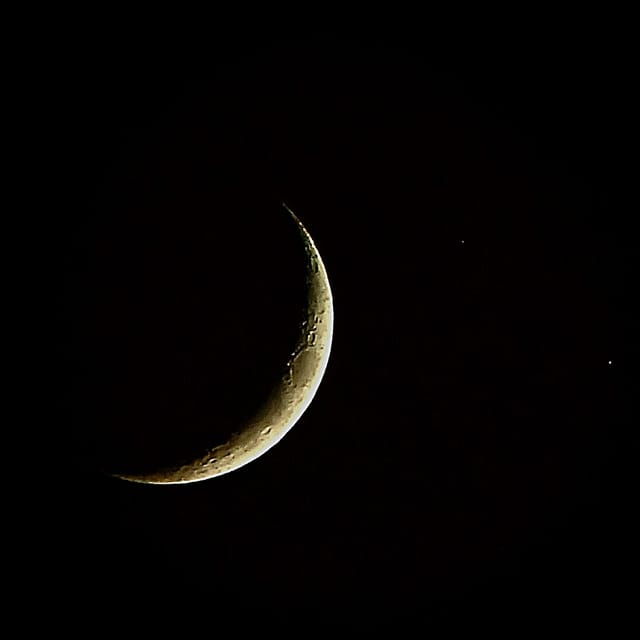
The Moon can be especially rewarding because the telescope reveals detail that is easy to miss with the naked eye. Planets offer a different thrill. Seeing Saturn’s rings or a bright planet as a distinct object gives the evening a memorable focus.
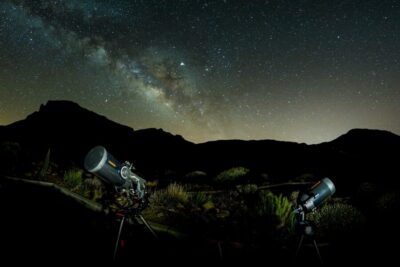
The telescope is described by one experienced amateur as an impressive 8-inch Go-To scope, supported by tripod-mounted astronomy binoculars. That is a meaningful upgrade from a simple pair of handheld binoculars. The equipment allows the guide to locate and revisit objects while the group takes turns looking.
You should keep your expectations realistic. Astronomy depends on clear conditions, and no guide can guarantee a specific planet, galaxy, or nebula on a particular night. The reward is the process of learning what is visible during your visit, not a fixed checklist.
More National Park Stargazing in Tenerife
- Teide National Park: Sunset & Stargazing Safari with Dinner
★ 4.6 · 2,115 reviews - Teide National Park: Guided Large Telescope Stargazing Tour
★ 4.9 · 319 reviews - Teide National Park: Stargazing Experience
★ 4.7 · 220 reviews - Self Drive Sunset & Stargazing in Teide National Park – No Dinner
★ 5.0 · 151 reviews
A two-hour session that stays personal
The full activity lasts about two hours. That is long enough to cover the sky at a relaxed pace without turning the evening into an all-night expedition.
A typical flow begins with an introduction, basic orientation, and an explanation of the night sky. Roberto then identifies constellations and major stars with laser technology before moving to telescope observations. The order may change depending on conditions and the objects available.
You should get repeated opportunities to look through the telescope. The guide makes sure each person has a chance to see the objects being discussed, rather than allowing one or two people to dominate the eyepiece. Questions are welcomed, and the session is interactive rather than a one-way talk.
The pace is particularly good for families and mixed-age groups. Children can ask direct questions, while adults who want more detail can continue the discussion. One family found the session engaging for both a 9-year-old and older adults. Teenagers also have plenty to hold their attention because the equipment gives them something concrete to see.
For very young children, think carefully before booking. Babies under one year are not considered suitable for the activity. Even older children need to cope with darkness, waiting turns, and cold mountain air.
The cold is part of the deal
I would treat warm clothing as essential, not optional. Bring a winter coat, fleece layers, long trousers, thick socks, and sturdy shoes. A hat and gloves would be sensible additions if the forecast is cold or windy.
The temperature can drop quickly after sunset, and wind makes the conditions feel harsher. Several people specifically praised the availability of blankets, fleece jumpers, or jackets, but you should not rely on borrowed layers as your main plan.
Comfort matters more here than it might seem. If you are shivering, you will spend less time looking through the telescope and less time listening to the explanations. A warm drink is not included, and lunch is not part of the activity, so eat beforehand and bring anything you need for the drive and evening.
Water and chocolate may be offered during the session. Those small touches are useful, but they do not replace proper clothing. The mountain setting is one of the reasons the stars look so good, and that same altitude creates the chill.
Free photographs under the stars
The complimentary photos are a genuine extra rather than a minor marketing detail. Roberto takes portraits of the group or individuals beneath the night sky, sometimes with Teide visible behind you. The images may include playful lightsaber effects, making them especially appealing for families.
You can also receive help with basic astrophotography. One participant was shown how to take better sky photographs and was able to share a photo afterward. If you have a phone or camera and want to try your own images, ask Roberto during the session.
The photos will not replace a dedicated professional photography tour, and the number or style of images may vary. Still, they give you a useful keepsake from an activity that is otherwise difficult to photograph. Dark-sky scenes are tricky for casual cameras, so having the guide take photographs with better equipment adds real value.
I would not choose the tour solely for the photos, but they make the $41 price easier to justify. You are paying for the guide, equipment, instruction, time in the national park, and a personal record of the evening.
Is $41 good value?
At $41 per person, this is fairly priced for a two-hour guided astronomy session with a high-end telescope, bilingual instruction, and free photographs. The value is strongest if you would not otherwise have access to good equipment or know how to find objects in the sky.
A casual beachside stargazing talk might cost less, but it would not offer the same mountain setting or level of equipment. On the other hand, this is not a full-night astronomy course, and you must arrange your own transport. If you are comparing it with a larger excursion that includes hotel pickup, the extra convenience of that alternative may matter more to you.
The small group also affects the value. With around 10 to 12 people, you get a better chance to ask questions and use the telescope without a long wait. Roberto’s habit of bringing blankets, water, chocolate, and taking photos adds comfort without extra charges.
The price is especially reasonable for couples, families with older children, and anyone who already has an interest in space. If you are only mildly curious and dislike cold evenings or mountain driving, the value may feel weaker.
Who will enjoy this most
I would recommend this for first-time stargazers, families with school-age children, couples looking for a quiet evening, and amateur astronomy fans who want to see the southern sky with better equipment.
It works well for people who enjoy learning but do not want a dry lecture. Roberto explains complex ideas without assuming prior knowledge, and his humor keeps the session approachable. People who already know the basics can still ask detailed questions and make use of the telescope.
The activity is wheelchair accessible, which is useful to know when planning. The information provided does not describe every surface or facility at the exact viewing point, so you may want to confirm any specific mobility needs before booking.
I would be more cautious about booking this for toddlers or anyone who cannot stand or sit comfortably outdoors for two hours. The listing excludes babies under one year, and the cold can be demanding even for adults.
Practical details before booking
The activity is available in English and Spanish, and some material may be presented in its original language. Check the starting time for your chosen date because the session begins after sunset, not at one fixed daily hour.
There is no transfer, lunch, or included drink listed. Plan your route to Teide National Park and allow extra time for sunset traffic. The guide waits beside Ermita de las Nieves, and the activity begins about 40 minutes after sunset.
Free cancellation is available up to 24 hours before the activity for a full refund. You can also reserve now and pay later, which helps if your Tenerife plans depend on weather or changing schedules.
The most important packing advice is simple: bring weather-appropriate clothing, then add one extra warm layer. Comfortable shoes are also sensible for an outdoor mountain session.
Should you book the Teide stargazing experience?
I would book this if you want more than a pretty night sky. The combination of Teide’s dark setting, Roberto’s clear explanations, small-group format, capable telescope, and free photographs gives the evening substance as well as atmosphere.
Book it with realistic expectations. The exact celestial objects depend on the night, the weather can be cold and windy, and you must make your own way to the meeting point. If those conditions suit you, $41 buys a memorable and unusually personal introduction to astronomy in Tenerife.
FAQ
Where does the stargazing activity meet?
The guide meets you next to Ermita de las Nieves in Teide National Park.
When does the session begin?
The activity starts about 40 minutes after sunset. The exact starting time depends on the date, so check availability when booking.
How long does the experience last?
The stargazing session lasts two hours.
What languages does the guide speak?
The live tour is available in English and Spanish.
Is transport included?
No. You need to arrange your own transport to the meeting point. Transfers, lunch, and drinks are not included.
What equipment is provided?
The activity provides a high-end telescope and laser technology explanations. Astronomy binoculars have also been used during some sessions.
Are photographs included?
Yes. Free photos of the experience are included. Roberto may photograph you beneath the stars and Teide, and some sessions include playful lightsaber effects.
What should I bring?
Bring weather-appropriate clothing, with especially warm layers for the cold mountain night. Sturdy shoes, trousers, a fleece, and a coat are sensible choices.
Can I cancel the booking?
You can cancel up to 24 hours in advance for a full refund. A reserve-now, pay-later option is also available.
Just in after dark around Tenerife
- Magic Stargazing & Sunset in Teide with Dinner + Telescopes★ 3.5 · 20 reviews
- Private astronomy tour with sunset toast, picnic, and astrophotography★ 4.8 · 83 reviews
- Tenerife: Teide Stargazing with an Astrophysicist★ 4.9 · 74 reviews
- Tenerife: Stargazing at Mt. Teide★ 4.2 · 72 reviews
- Mount Teide Night Tour: Stargazing, Dinner and Hotel Pick up★ 3.5 · 86 reviews
- Tenerife: Teide National Park Sunset Picnic and Stargazing★ 4.6 · 117 reviews
- Teide National Park: Stargazing Experience★ 5.0 · 118 reviews
- Tenerife: Mount Teide Observatory Astronomical Tour★ 4.4 · 126 reviews
National Park Stargazing, night against night.
Teide National Park Sunset & Stargazing with Dinner (Star Safari)
Read our review →
National Park Astronomy Tour with Telescope and Photo
Read our review →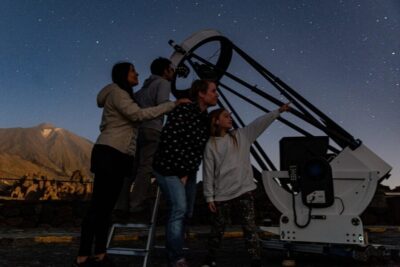
Teide National Park: Guided Large Telescope Stargazing Tour
Read our review →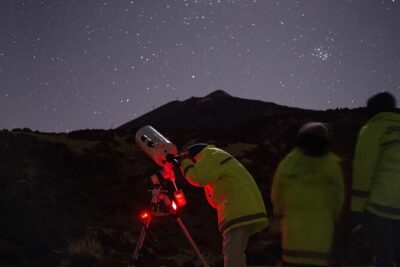
Self Drive Sunset & Stargazing in Teide National Park – No Dinner
Read our review →
Teide National Park Sunset Picnic and Stargazing
Read our review →