
Review · CUSCO
Planetarium Cusco Trip
Cusco Planetarium offers a clear look at how the Incas understood the night sky. Rather than treating astronomy as a modern science lesson alone, the visit connects stars, animals, seasons, and daily life through an Inca view of the universe.
I like two things right away: the short ride from central Cusco keeps the evening easy, and the combination of a spoken explanation, dome projection, and real telescope viewing gives the visit a good rhythm. You get both cultural context and a chance to look upward yourself.
The main caution is reliability. One verified booking reported that the guide never appeared, while other feedback praised the experience as perfect and called it a passionate family project. The current score is 3.8 from four verified bookings, so confirm the meeting details carefully before setting out.
Key points to know before you book
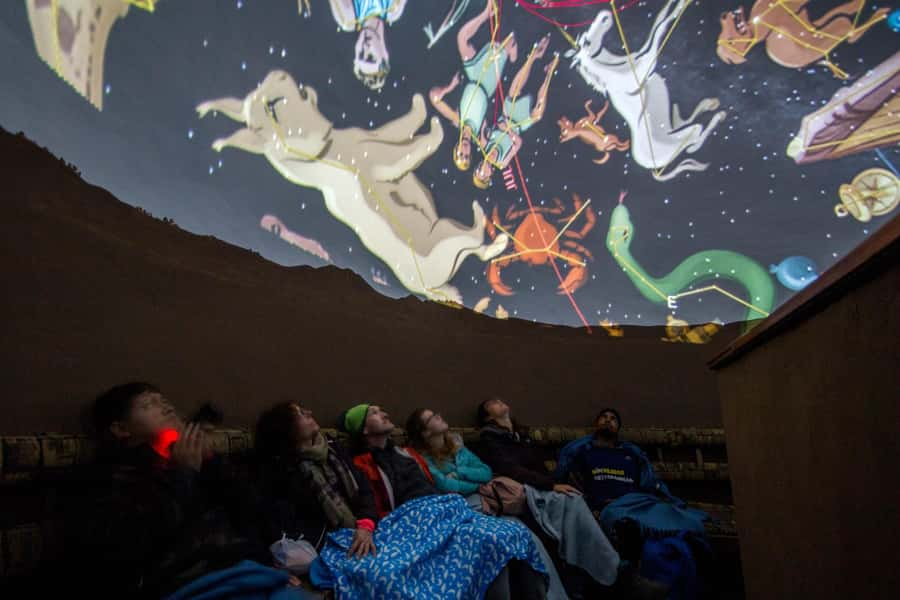
- The evening starts at 5:40 p.m. in central Cusco and finishes at Plaza de Armas at 7:40 p.m.
- The planetarium is less than 20 minutes away by minibus, making this a manageable outing after a day in town.
- Inca constellations are the focus, with a guide explaining how the Incas viewed stars and the universe.
- The program uses three viewing methods: an interpretation-room talk, a virtual dome projection, and professional telescopes.
- Telescope viewing depends on weather, so clouds can change the final part of the visit.
- English and Spanish tours are available, and transport, admission, and a live guide are included.
Why Inca astronomy makes this evening different
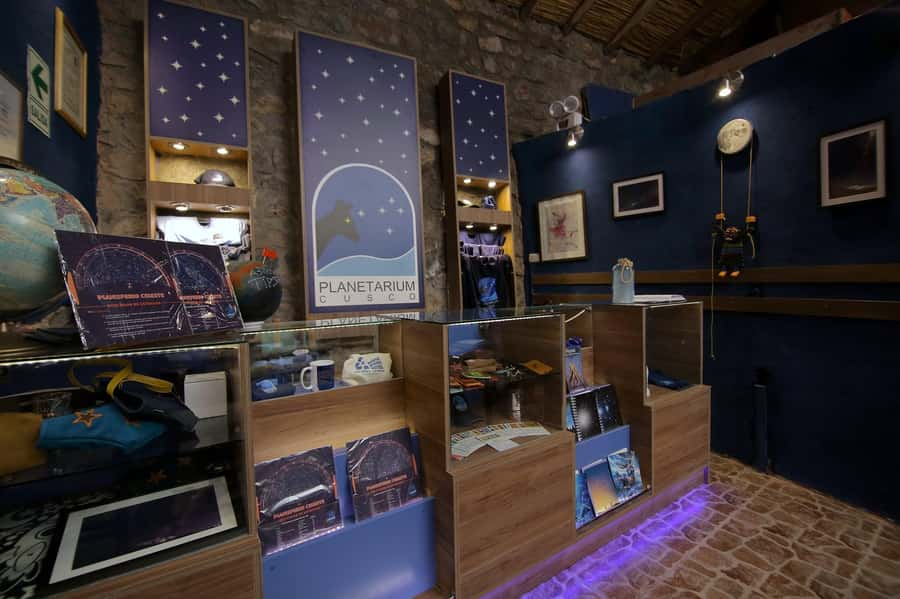
A standard planetarium visit often centers on planets, galaxies, and modern discoveries. Here, the central question is different: how did the Incas read the sky, and what did the stars mean in their world?
That gives the visit a strong connection to Cusco. The sky was not separate from farming, timekeeping, belief, or daily decisions. The experience is designed to introduce that viewpoint before showing the stars above you.
I like this approach because you are not simply given a list of constellations. The setting gives you a way to think about astronomy as part of culture. The planetarium is described as one of the world’s more original observatories, which points to an experience built around interpretation rather than a plain screen-and-seats presentation.
The visit should suit you if you want a calm evening activity with a clear cultural angle. It is also a useful choice if your Cusco schedule is full of daytime sights and you want something that begins after the main sightseeing hours.
More Planetarium Visits in the world:
- Miami: Frost Museum of Science and Planetarium Entry Ticket
★ 4.5 · 429 reviews - Planetarium and Telescope Combo Tour
★ 4.0 · 144 reviews - Houston Museum of Natural Sciences: Planetarium Ticket
★ 4.5 · 139 reviews
The 5:40 p.m. meeting and short minibus ride
You meet in central Cusco at 5:40 p.m. The group then boards a minibus for the planetarium, which is less than 20 minutes away.
That short transfer matters. You are not giving up a full evening to reach an out-of-town attraction, and the return to Plaza de Armas keeps your plans simple afterward. The total activity lasts 150 minutes, so the visit is long enough to feel substantial without taking over the night.
I would arrive at the meeting point early. The transport is part of the experience, and one failed pickup report makes it sensible to leave extra time and keep your booking details close at hand. The supplied information does not name the meeting point beyond central Cusco, so pay close attention to the exact location provided when you reserve.
The minibus transport is included in the $43 price. That makes the cost easier to judge, since you are not arranging a separate taxi or paying admission on arrival.
The interpretation rooms and the Inca view of the sky
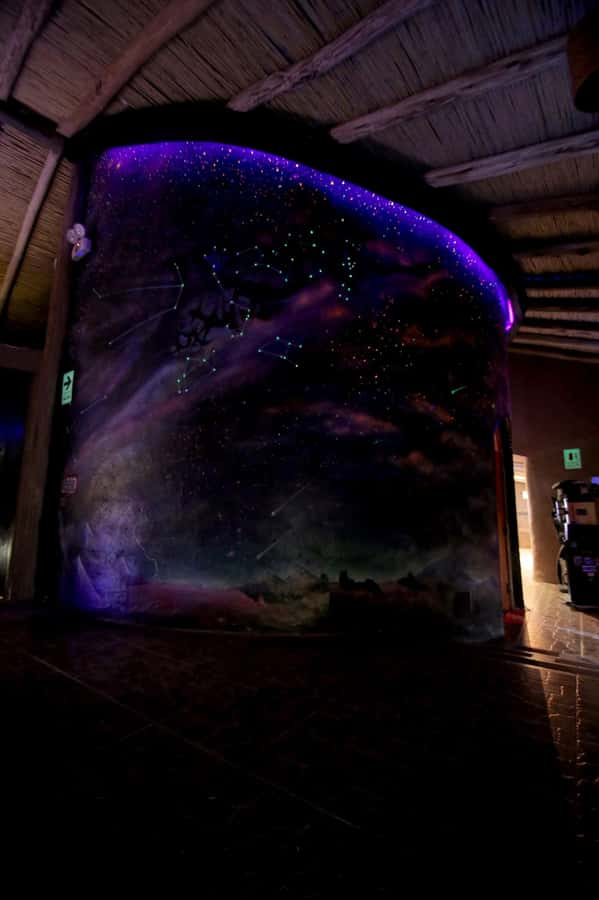
Once inside, you receive a talk on Inca astronomy in the interpretation rooms. This is the part that gives the later sky show meaning.
You can expect the guide to explain how the Incas saw the stars and the universe, with special attention to their constellations. The supplied details do not provide a full list of the constellations or name the guide, so you should think of this as an introduction rather than a specialist astronomy course.
The English-speaking guide is included, and the activity is also offered in Spanish. If you need English, make sure you select or confirm that language when booking. The guide is important here because the value of the visit depends on the explanation, not only on the equipment.
One verified booking praised the project as a passionate family project. That detail gives the place a more personal feel than a large commercial attraction might have. You should not expect a vast museum complex. The appeal is the focused subject, the family-run character, and the chance to connect local culture with the night sky.
The dome projection brings the constellations indoors
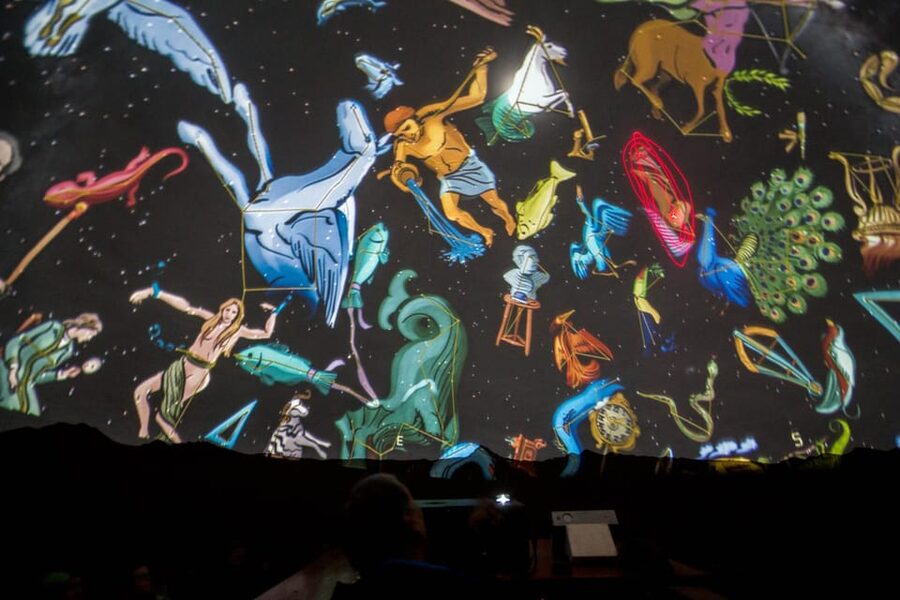
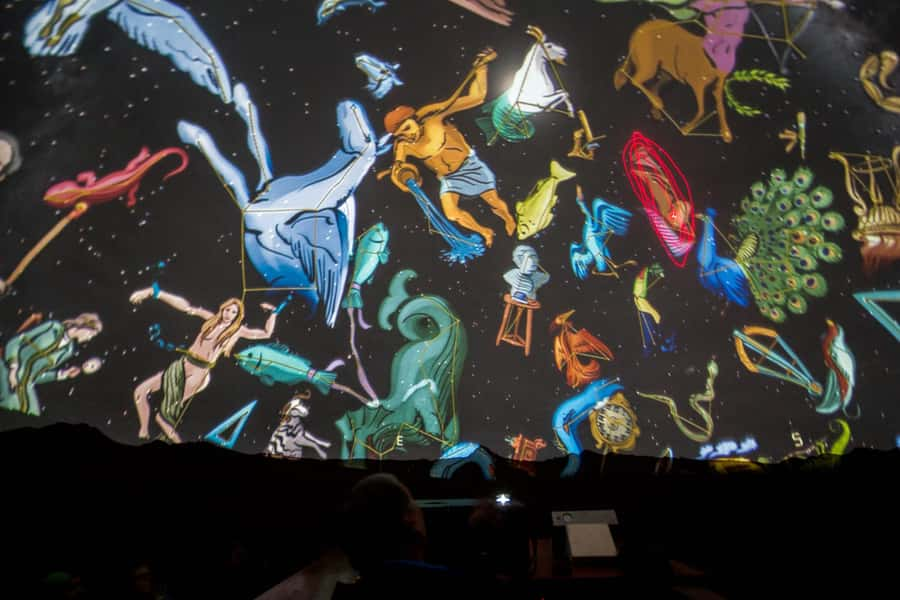
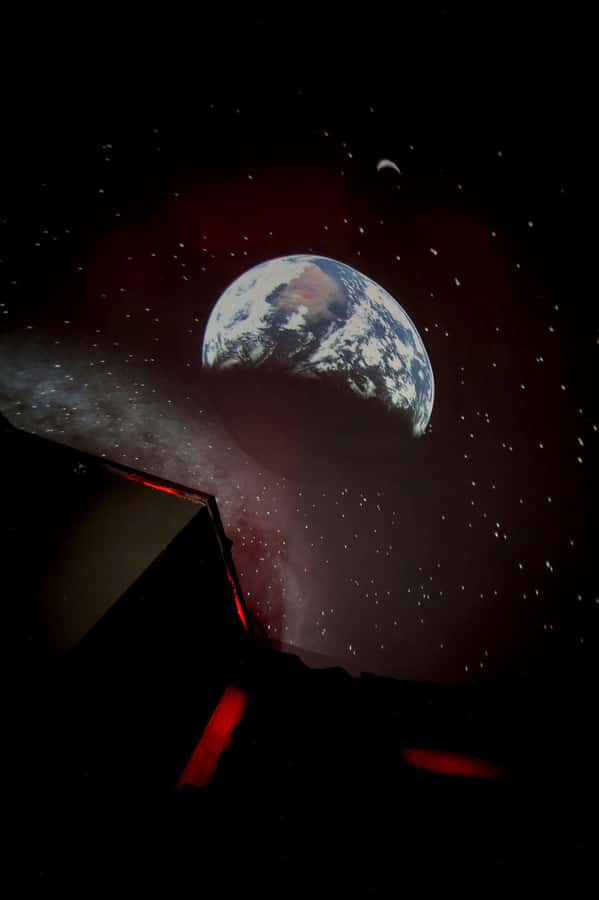
After the talk, you watch a virtual projection of the sky across the planetarium dome. This is where the Inca constellations are shown in a controlled setting.
The dome solves a basic problem with any evening astronomy outing: the sky outside may not cooperate. Even if clouds later block the telescopes, the projection can still give you a guided view of the stars and explain the patterns tied to Inca astronomy.
I like the order of the program. First you hear the ideas, then you see them represented across the dome. That progression is easier to follow than arriving at a telescope with no background.
The projection is also helpful for families and first-time visitors. You do not need prior astronomy knowledge to get something from the presentation. The focus is on seeing the sky through an Inca frame of reference, not on testing you with technical terms.
More Stargazing Tours around the world:
- Dubai Red Dunes ATV, Camels, Stargazing & 5* BBQ Al Khayma Camp
★ 5.0 · 21,620 reviews - Sharm El-Sheikh: Ultimate ATV Quad, Stargazing & BBQ Dinner
★ 4.7 · 4,084 reviews - Tenerife: Teide National Park Sunset & Stargazing Tour
★ 4.2 · 3,812 reviews - Tenerife: Sunset and Stargazing at Teide National Park
★ 4.7 · 2,826 reviews
Professional telescopes and the weather question
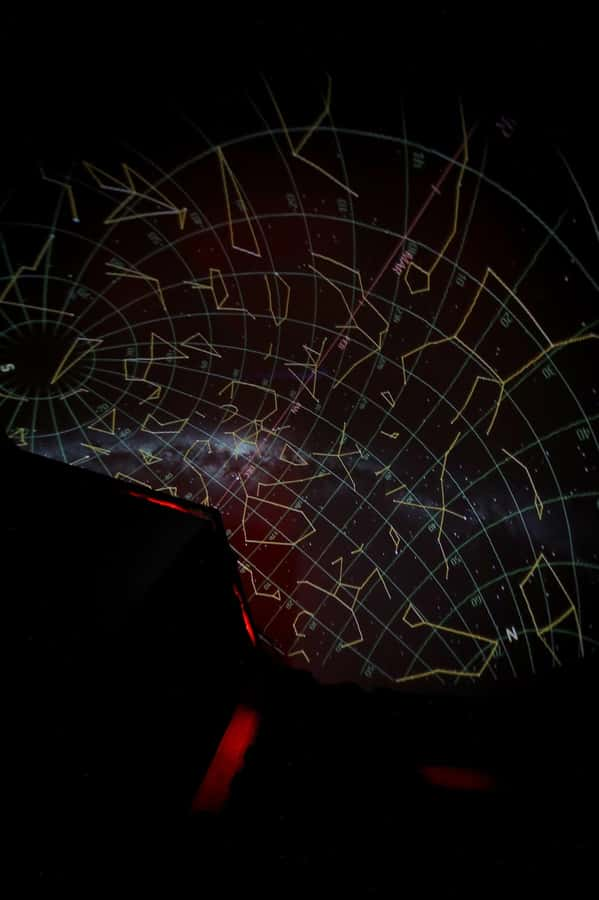
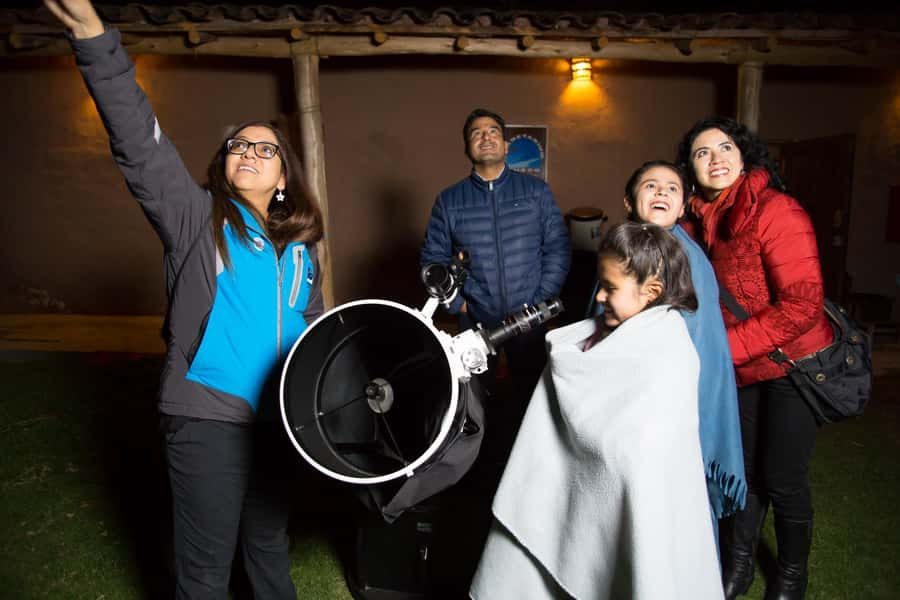
The final part uses the Planetarium Cusco’s professional telescopes to view the stars in closer detail. This is the most hands-on element of the evening, but it is also the least certain because it depends on weather conditions.
That condition should shape your expectations. The admission and dome presentation remain useful if the sky is cloudy, but telescope viewing may not take place. Clear weather can add a memorable final step, while poor conditions can make the visit feel shorter than expected.
The activity information does not promise views of particular planets, moons, or deep-sky objects. You should book it for the Inca astronomy presentation and dome show first, with telescope viewing as a weather-dependent bonus.
Keep your eyes open, as the description puts it, but do not treat the telescope portion as guaranteed. This is normal for an astronomy outing, and the provider makes the limitation clear.
Is $43 a fair price?
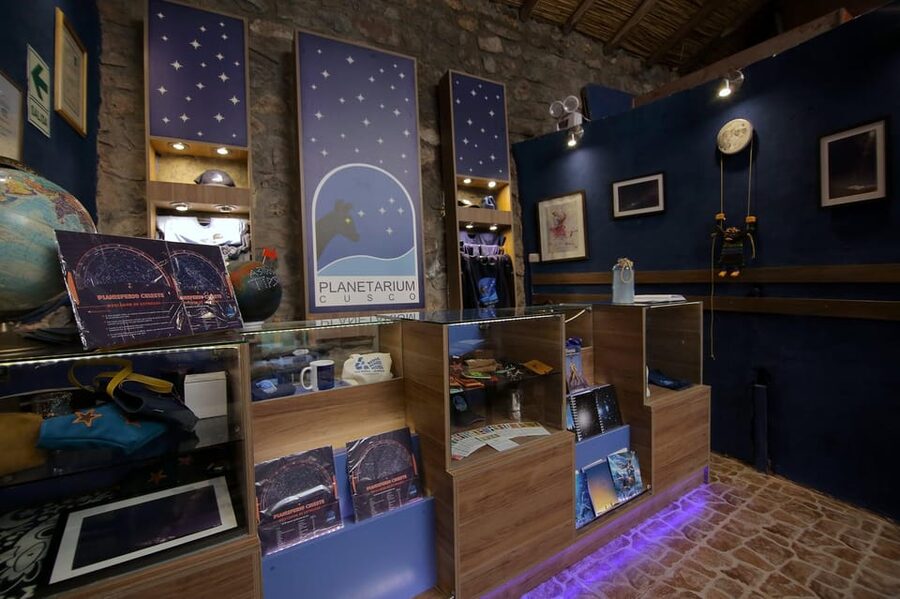
At $43 per person, the price is not the cheapest evening activity in Cusco. Still, it includes the minibus, a live English or Spanish guide, and entry to the planetarium.
The value depends on what you want from the evening. If you are mainly looking for a quick look through a telescope, the price may feel high, especially if clouds prevent outdoor viewing. If you want a complete cultural presentation with transport and a structured program, the cost is easier to justify.
The 150-minute duration also helps. You are paying for more than a short demonstration. The outing covers the ride, interpretation-room talk, dome projection, and possible telescope viewing, followed by transport back to central Cusco.
Food is not included. That is not a major problem because the program runs from late afternoon into the evening, but plan to eat before or after it. The return is scheduled for 7:40 p.m. at Plaza de Armas, so you can arrange dinner afterward.
Who will enjoy this Cusco evening
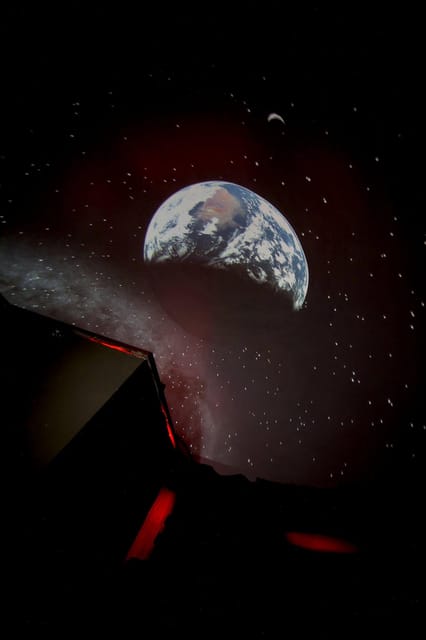
I would recommend this outing to you if you have an interest in Andean culture, astronomy, or unusual attractions that sit outside the usual Cusco route. It is especially suitable if you want something informative but not physically demanding.
It also works well for people who have already visited the main historic sights and want a different way to understand the region. The short transfer and central return point make it simple to fit into a multi-day stay.
You may want to skip it if you are looking for a large observatory, an advanced astronomy lecture, or guaranteed telescope viewing. The information provided does not promise a particular number of stars, planets, or celestial objects.
The outing is also best for anyone comfortable with a little uncertainty. The guide service received both strong praise and one serious complaint about a missing guide. The overall score of 3.8 from four verified bookings is mixed rather than decisive, so careful attention to the pickup details is wise.
Practical booking advice for a smooth evening
You can cancel for a full refund up to 24 hours before the activity. You can also reserve now and pay later, which helps if your Cusco plans are still changing.
The tour is offered with live guides in English and Spanish. Since the guide is central to the Inca astronomy talk, check that your preferred language is selected before you complete the reservation.
Arrive before 5:40 p.m., not at that exact minute. The minibus transfer is scheduled as a group departure, and a late arrival could be more troublesome than being early. The supplied information does not state the group size, so you should not assume a private or small-group format.
Bring realistic expectations about the weather. The dome show provides a set part of the program, while telescope viewing is conditional. No food is supplied, so plan a meal around the 7:40 p.m. return to Plaza de Armas.
Should you book the Planetarium Cusco trip?
Book it if you want an evening experience that links the Cusco region to Inca astronomy, includes transport, and gives you both a dome presentation and a possible telescope session. The family-project feel and passionate guide service add appeal, and the compact 150-minute schedule is easy to manage.
I would pass if your main goal is guaranteed stargazing or a highly technical observatory visit. The weather can remove the telescope portion, and the mixed service record means you should confirm the meeting arrangements carefully.
For most people, the best reason to book is the cultural angle. You are not only looking at stars. You are learning how the Incas understood them, then seeing that sky recreated above you.
FAQ
Where does the Planetarium Cusco trip take place?
The activity takes place in the Cusco Region of Peru, at Planetarium Cusco.
Where do I meet the group?
You meet in the center of Cusco at 5:40 p.m.
How do I reach the planetarium?
The included minibus takes you from central Cusco to the planetarium. The journey takes less than 20 minutes.
How long does the activity last?
The full activity lasts 150 minutes.
What time do I return to Cusco?
The trip finishes at Plaza de Armas in Cusco at 7:40 p.m.
What languages are available?
Live guides are available in English and Spanish.
What is included in the price?
The $43 price includes minibus transport, an English or Spanish-speaking guide, and entry to Planetarium Cusco.
Is food included?
No. Food is not included.
Will I use a telescope?
The activity includes the use of professional telescopes, but telescope viewing depends on weather conditions.
Can I cancel the booking?
Yes. You can cancel up to 24 hours in advance for a full refund. You can also reserve now and pay later.
Just in after dark around the world
- Doha: Night Desert Safari, Stargazing, and Camel Ride★ 5.0 · 2 reviews
- Doha : Night Desert Safari with Dune Bashing & Stargazing★ 5.0 · 4 reviews
- Doha: Night Desert Safari + Camel ride + Stargazing & Relax★ 5.0 · 4 reviews
- Day Trip to Tatacoa Desert (Horseback, Boat, Stargazing, ..)★ 4.4 · 3 reviews
- Christchurch: Lake Tekapo Stargazing & Mount Cook 2-Day Tour★ 5.0 · 6 reviews
- Cabo de Gata: Stargazing Experience★ 4.5 · 7 reviews
- Chile: Astronomical Tour in the Atacama Desert★ 4.8 · 4 reviews
- Cabo de Gata: Guided Night Walk with Stargazing★ 4.7 · 36 reviews
Planetarium Visits, night against night.
Miami: Frost Museum of Science and Planetarium Entry Ticket
Read our review →
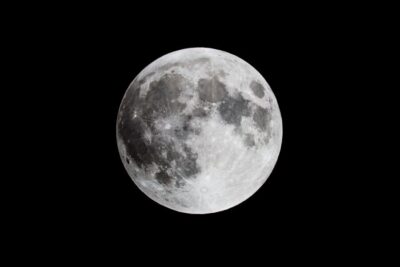
Houston Museum of Natural Sciences: Planetarium Ticket
Read our review →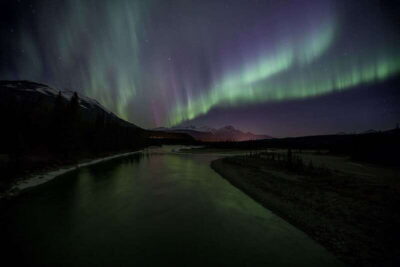
Jasper Planetarium and Telescope Combo Tour Tickets
Read our review →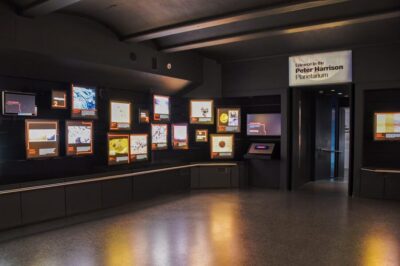

Cusco by Night: Planetarium Cusco, Dinner, and Pisco Sour
Read our review →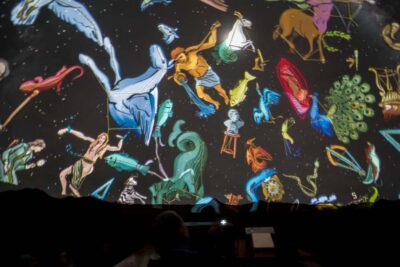
Planetarium Cusco OFFICIAL SITE: Andean Astronomy experience
Read our review →
Lists this night appears in