
Review · LAKE TEKAPO
Lake Tekapo: Mountaintop Stargazing at Mount John Summit
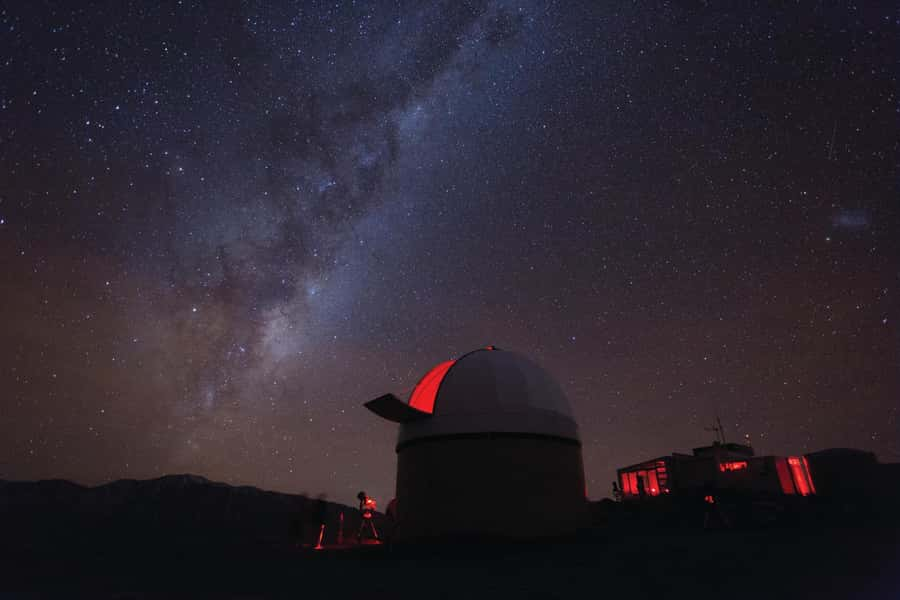
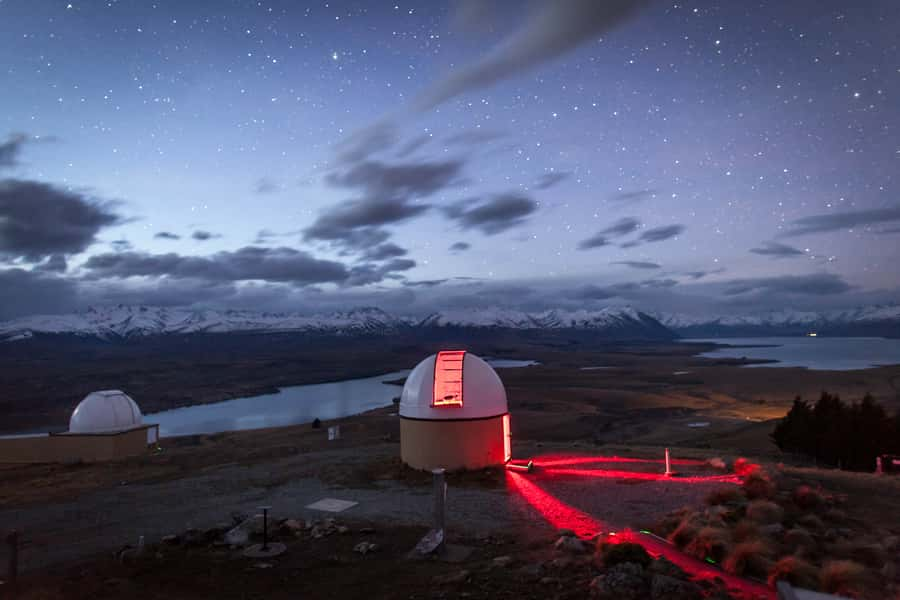
At 1,029 meters above Lake Tekapo, you get a rare chance to look up from the summit of Mount John, surrounded by the University of Canterbury research centre and the darkness of the Aoraki Mackenzie International Dark Sky Reserve. The Southern Hemisphere sky is the main event here, with expert guides showing you how to find its major stars and patterns without relying on a screen.
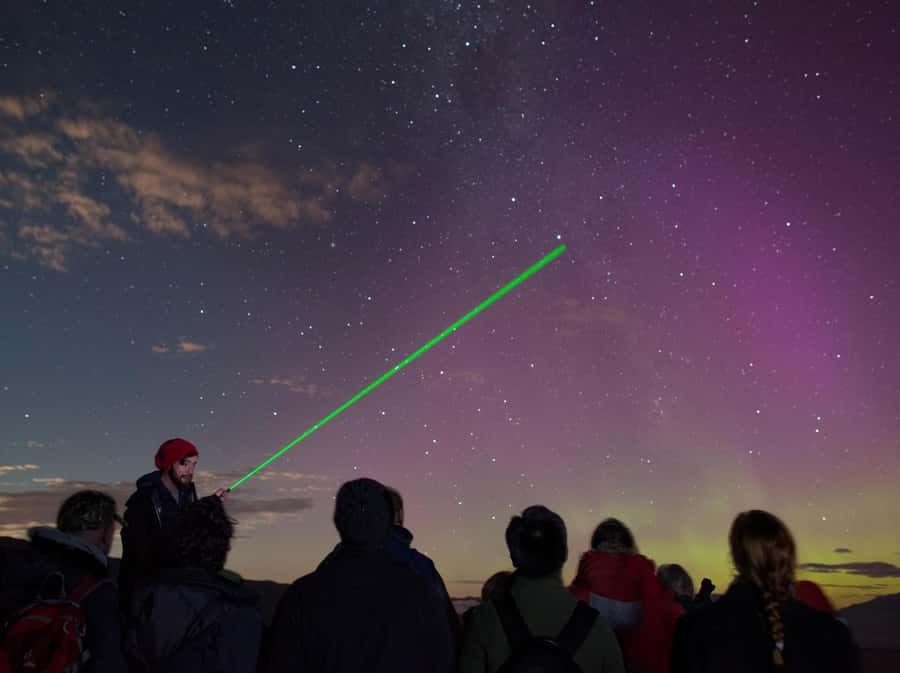
I like the summit access, which gives this outing a real sense of place, and I like the practical teaching style. Guides use handheld lasers to point out stars with the naked eye before turning to the telescopes. The catch is simple: clouds, wind, and moonlight can change the night completely, so this is not a guaranteed Milky Way show.
Key points at a glance
- Mount John summit access: Travel from the Dark Sky Project base to a 1,029-meter viewing site above Lake Tekapo.
- Southern Sky guidance: Learn to find the Southern Celestial Pole, Alpha Centauri, Jupiter, and other objects with the naked eye.
- Telescopes after dark: Look through high-powered telescopes, though the view depends on what is visible that night.
- Cold-weather support: Extreme cold weather jackets are supplied, but you still need warm clothing year-round.
- A short, focused outing: The entire experience lasts 105 minutes, including transport up and down the mountain.
- Weather is part of the deal: Poor conditions can cancel the summit outing, with an indoor alternative or full refund offered.
Why Mount John makes this stargazing trip different
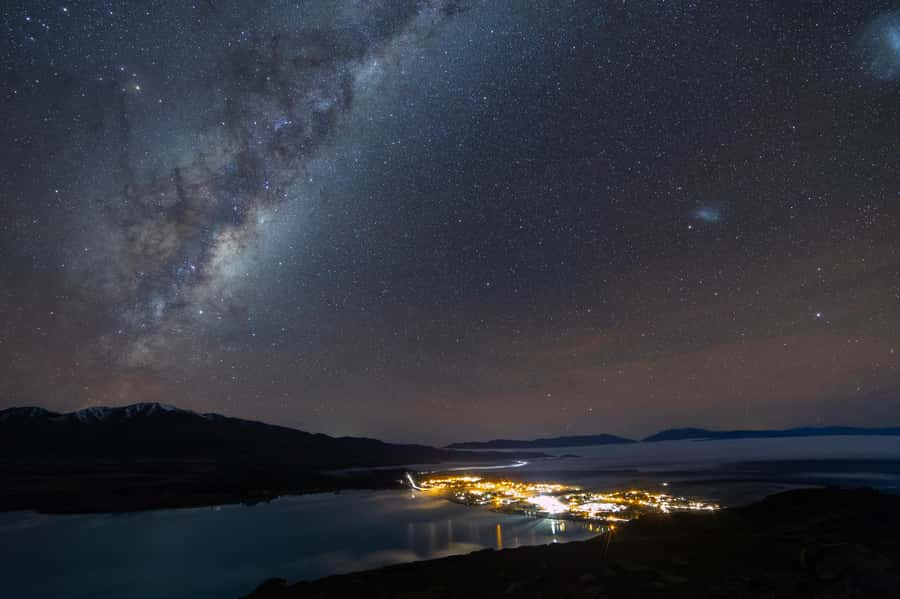
Many stargazing outings take place beside a town or from a flat field. This one sends you uphill to Mount John, above Lake Tekapo, where the setting itself becomes part of the experience.
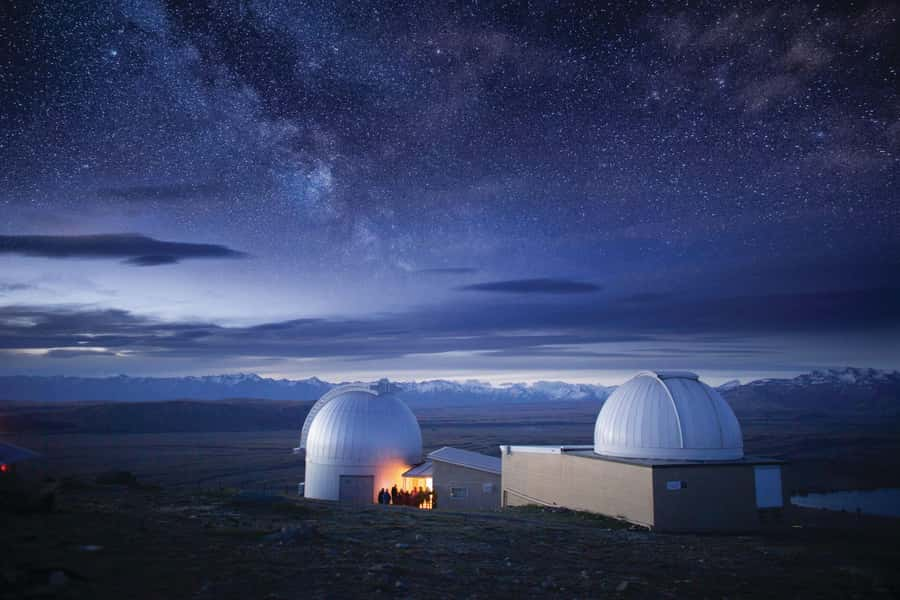
You check in at the Dark Sky Project base on the lakefront, then travel by vehicle to the summit. The climb gives you a physical sense of leaving the town lights behind. The final viewing area is near the University of Canterbury research centre, an appropriate setting for a night built around astronomy rather than just pretty photographs.
The summit reaches 1,029 meters. That sounds modest compared with New Zealand’s big peaks, but it matters after sunset. You are outdoors on an exposed mountain, so even a pleasant evening in Tekapo can feel cold at the top. The supplied extreme cold weather jacket helps, but I would still wear proper layers, long trousers, closed shoes, and clothing suited to the forecast.
This is also part of the world’s largest Gold Standard International Dark Sky Reserve. That designation does not guarantee a cloudless sky, but it tells you why the Mackenzie Basin is so valued for astronomy. Artificial light is controlled, and the dark conditions make faint stars easier to see when the weather cooperates.
More Stargazing Tours around New Zealand:
- Lake Tekapo: Alpine Stargazing Experience with a Guide
★ 4.5 · 626 reviews - Lake Tekapo: Stargazing Experience
★ 4.9 · 607 reviews - Chameleon Stargazing Shared Tour
★ 5.0 · 181 reviews
Check-in at the lakefront and the ride uphill
You need to arrive at the Dark Sky Project base at least 20 minutes before departure. It is at the Takapō, also spelled Tekapo, lakefront, and hotel pickup is not included, so plan your own way to the meeting point.
The transfer to Mount John is not just a practical shuttle. It is the link between the settled lakeside town and the darker summit. One guide described the ride as Tekapo’s only nightclub, a playful line that captures the mood better than a formal safety briefing would. You are heading toward darkness, not nightlife.
At check-in, you receive an extreme cold weather jacket. This is a useful touch, especially for people who pack for a mild South Island evening and forget that standing still on a mountain is different from walking around town. Keep your own warm layers on underneath. The jacket is extra protection, not a substitute for sensible clothing.
The drive takes you to the summit area, where you will walk about 100 meters on a gravel incline. You also need to climb a couple of steps in the dark. The walk is short, but it is not fully accessible. You should feel secure on uneven ground and be comfortable moving in low light. The experience is not suitable for people with mobility impairments or children under 10.
The first lesson uses only your eyes
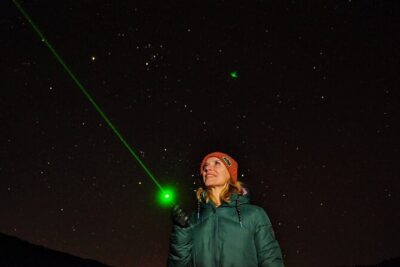
The strongest part of the evening is often the opening sky tour. Before the telescopes come out, your astronomy guide uses a handheld laser to point out stars and features across the Southern Sky.
That order matters. A telescope can show you a striking object, but it does not always teach you where that object sits in relation to everything else. By starting with your own eyes, the guide helps you build a basic map of the sky. You learn to look up, orient yourself, and spot the Southern Celestial Pole rather than simply waiting for someone to point a device at it.
Depending on the date and conditions, you might see Alpha Centauri, Jupiter, Mercury, or recognizable star groups. The exact list changes from evening to evening. That unpredictability is part of astronomy, but it also means you should not book this expecting one fixed collection of planets.
The guides are one of the experience’s biggest strengths. Oscar, named in one of the recent outings, was praised for his enthusiasm and clear explanations. Other guides have been described as passionate, engaging, and closely connected with the University of Canterbury research setting. You can ask questions, and the style is designed to be friendly rather than overly technical.
The language options are English, Japanese, and Chinese. You must speak the language of the tour you book because of health and safety requirements. If you cannot communicate in that language, you will not be allowed to join.
Telescopes bring the sky closer
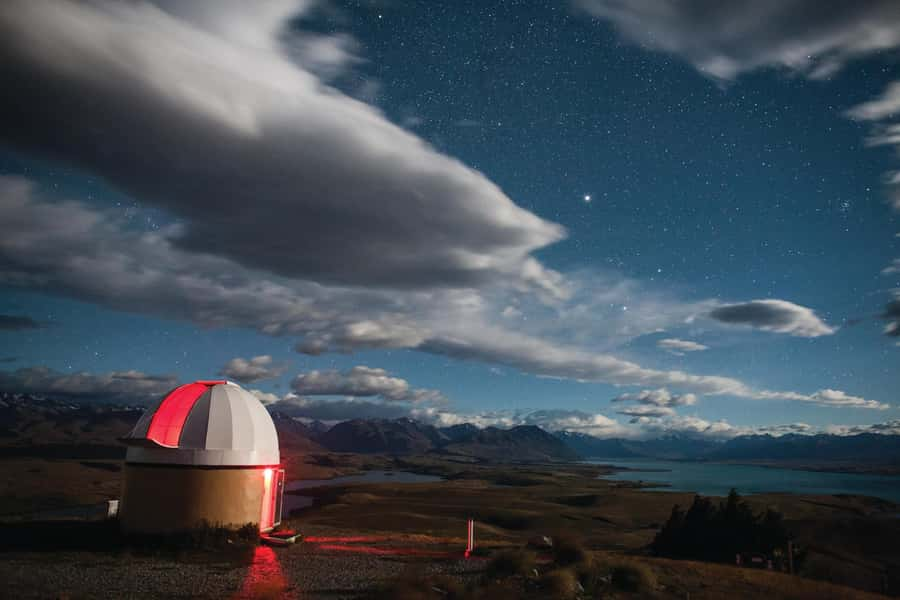
After the naked-eye introduction, you move to the high-powered telescopes. This changes the experience from learning the broad shape of the sky to examining selected objects in more detail.
The telescope views can be remarkable. You might look at a planet, a star, or another visible object that would otherwise remain a bright point overhead. Past outings have included views of Mercury, Jupiter, Alpha Centauri, and other star groups. The objects available depend on the season, the time of night, and the cloud cover.
Keep your expectations realistic. A telescope does not always produce a giant, colorful picture like the images you see from professional observatories. One person found that the stars looked only slightly larger than they did to the naked eye and felt the equipment did not match the price. That is a fair warning, especially if you have already spent time viewing astronomy photographs online.
The real value is the combination of guide, setting, and access. You are not simply looking through a telescope at a random point in the sky. The guide explains what you are seeing and why it matters, then helps connect the telescope view with the larger sky above you.
The Moon also deserves special attention. A bright Moon can be beautiful through a telescope, but moonlight washes out many faint stars. If seeing the Milky Way is your main goal, a darker night around the new moon is generally the better choice. The supplied information does not promise a particular lunar schedule, so check the date before booking if this matters to you.
Same stars, another vantage point:
- Mount John Observatory Stargazing Experience, Tekapo
★ 4.5 · 160 reviews - Tekapo Star Gazing Tour – Soak in the Stars
★ 4.5 · 109 reviews - Silver River Stargazing Experience in Lake Tekapo
★ 4.5 · 106 reviews - Stargazing Experience at Cowan’s Private Observatory
★ 4.0 · 85 reviews
Weather, wind, and moonlight shape the night
This is an outdoor astronomy experience, and the weather has the final say. Cloud, rain, or strong conditions can prevent the summit trip or reduce what you can see. If the tour is cancelled for bad weather, an indoor alternative is offered or you can receive a full refund.
If you have flexibility, leave room to move your booking. One outing was rescheduled because the first night was unsuitable, and the following evening brought less wind, no clouds, and a better view. That is good advice for this kind of activity: do not treat the first available night as your only chance if your schedule allows another attempt.
Clear skies are not the only factor. Wind can make a cold night uncomfortable even with the supplied jacket. Moon phase affects the darkness, too. A waxing Moon may look impressive through the telescope but make it harder to see the Milky Way. A moonless night can be so dark that the stars provide much of your orientation, although a small lanyard torch is available.
Flash photography is not allowed. That rule protects everyone’s night vision and keeps the experience focused on looking rather than constantly checking a camera. You can try time-lapse photography, but do not expect a quick phone clip to capture what your eyes see. One person managed only a few seconds of usable time-lapse from a much longer attempt.
How the 105 minutes are best understood
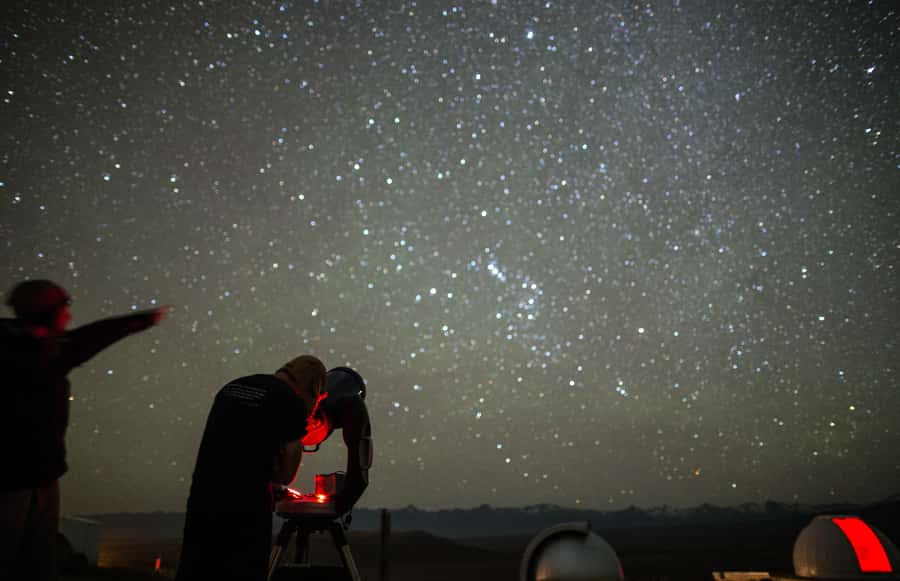
The stated duration is 1 hour and 45 minutes. That includes the summit experience and return transport, so the time under the stars is not 105 uninterrupted minutes of telescope viewing.
The evening usually follows a sensible progression:
- Check in at the Dark Sky Project base at least 20 minutes early.
- Collect the cold-weather jacket and board the transport to Mount John.
- Walk the short gravel incline to the summit viewing area.
- Learn the Southern Sky with the naked eye and handheld laser.
- Use the telescopes to examine selected visible objects.
- Return by vehicle to the lakefront base.
The structure works because it gives the night a clear rhythm. You begin with orientation, move to guided observation, and finish with a return ride. It is long enough to feel like a proper activity without taking over your whole evening.
Families should note the minimum age of 10. The experience is family-friendly for older children, but the cold, darkness, short uphill walk, and need to follow safety instructions make the age restriction sensible.
Is NZD 130 a fair price?
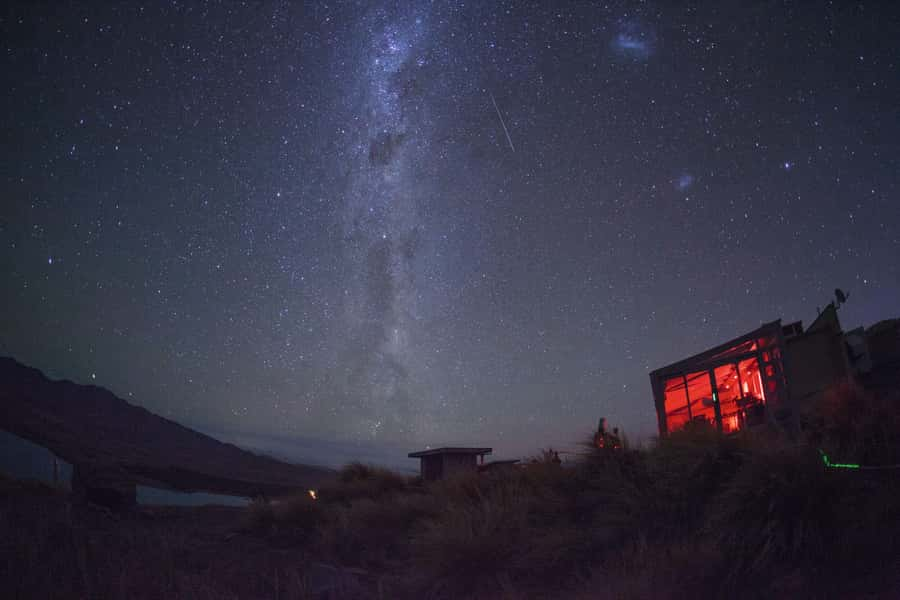
The stated price is $130 per person. At that rate, the experience is easier to recommend for someone who values expert interpretation and summit access rather than a simple self-guided look at the stars.
Your fee covers the 105-minute outing, transport to and from Mount John, summit access, a guide, telescope viewing, and the cold-weather jacket. Food and drinks are not included, though a recent outing included hot chocolate on arrival. Treat that as a possible welcome rather than a guaranteed part of the published inclusions.
A separate review referred to a price of NZD 209, which shows why you should check the current rate before booking. At the higher figure, the value depends more heavily on clear skies, the guide, and your interest in astronomy. If clouds block the view or the telescope targets are less dramatic, the experience may feel expensive.
I would compare it with the cost of a standard evening attraction in Tekapo, but I would not judge it only by telescope size. The summit setting and the chance to learn the Southern Sky have real value. Still, anyone expecting a major observatory visit with enormous instruments should adjust those expectations.
Who will enjoy Mount John most?
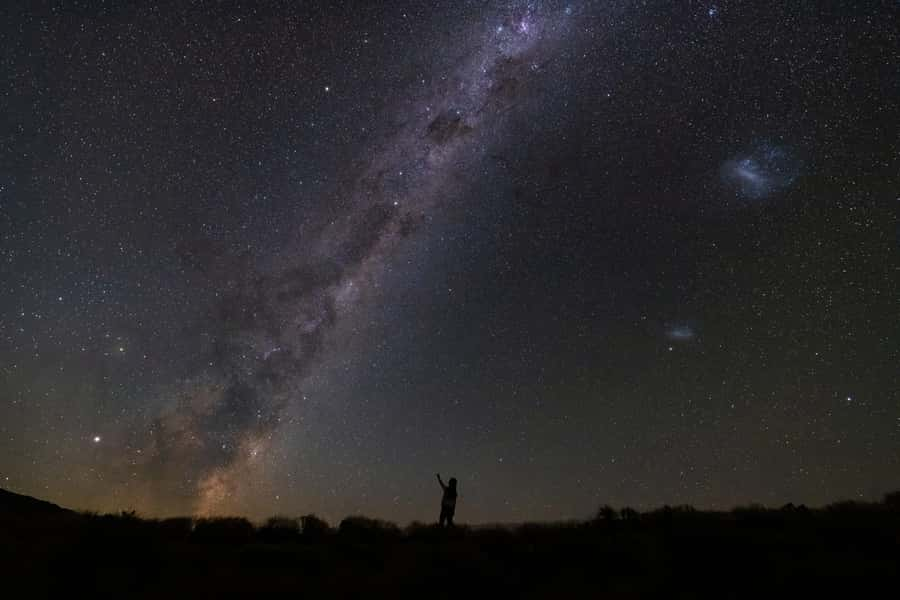
This outing suits you if you want to understand the night sky, not just take a quick look at it. It is especially good for first-time stargazers, families with children aged 10 and over, and anyone curious about the Southern Hemisphere’s stars.
You will get the most from it if you enjoy asking questions and are willing to spend part of the night outdoors in the cold. The guides make the session engaging, but they cannot control the clouds or guarantee a certain planet.
You may want to skip it if you dislike uneven ground, cannot manage a short gravel incline and a few steps, or need hotel pickup. You should also think twice if your schedule is too tight to reschedule after bad weather.
Photographers should come for the sight rather than a perfect camera result. Flash is forbidden, and the darkness makes phone photography difficult. The experience is about seeing the sky directly, with the camera kept secondary.
Practical tips for a better night
Arrive early. The required 20-minute check-in is not a suggestion, since the transport leaves from the lakefront base and the summit is not a place you can easily reach after the group has departed.
Wear warm clothing even in summer. Add layers beneath the supplied jacket, and choose shoes that feel steady on gravel. Keep a hat and gloves handy if you have them.
Check the Moon phase before choosing your date if the Milky Way is your priority. A moonlit evening can still be excellent for telescope viewing, but it may reduce the number of faint stars visible to the naked eye.
If the forecast looks poor and your plans allow it, ask about moving to another date. The tour is weather dependent, and a clear second attempt can make a major difference.
Do not use flash photography. Give your eyes time to adjust to the darkness, and listen closely during the laser explanation. The more attention you give to the naked-eye section, the more useful the telescope session becomes.
Should you book this Mount John stargazing experience?
Book it if you want a guided introduction to the Southern Sky from a genuine mountain summit. The setting, transport, cold-weather jackets, and skilled guides make it more thoughtful than simply walking down to the lake after dinner and looking up.
I would be especially keen to book on a flexible schedule near a darker moon phase, with a forecast that offers a real chance of clear skies. I would not book it as a guaranteed planet show or as a substitute for a large professional observatory.
At $130 per person, it offers solid value when the sky is clear and you enjoy the teaching as much as the telescope. At a higher current price, check the conditions, moon phase, and cancellation terms carefully. If you can accept the weather risk, Mount John gives you one of the South Island’s most memorable ways to meet the stars.
FAQ
Where does the Mount John stargazing tour meet?
You meet at the Dark Sky Project base on the Takapō, or Tekapo, lakefront. Check in at least 20 minutes before departure.
How long does the experience last?
The full experience lasts 105 minutes, or 1 hour and 45 minutes.
Is transport to Mount John included?
Yes. Return transport from the Dark Sky Project base to the summit of Mount John is included.
Is hotel pickup included?
No. Hotel pickup and drop-off are not included.
What languages are available?
The tour is available in English, Japanese, and Chinese. You must speak the language of the tour for health and safety reasons.
What should I wear?
Wear warm, weather-appropriate clothing year-round. An extreme cold weather jacket is provided, but you should still bring suitable layers and practical footwear.
Is the tour suitable for children?
The experience is family-friendly for children aged 10 and over. Children under 10 cannot join.
Can people with mobility impairments take part?
The tour requires you to walk about 100 meters on a gravel incline and climb a couple of steps in the dark. It is not suitable for people with mobility impairments.
What happens if the weather is bad?
The tour can be cancelled in poor weather. An indoor alternative is offered, or you can receive a full refund. You may also cancel up to 24 hours before the experience for a full refund.
Just in after dark around New Zealand
- Christchurch: Lake Tekapo Stargazing & Mount Cook 2-Day Tour★ 5.0 · 6 reviews
- Akaroa: Stargazing Tour with 2 Telescopes & Souvenir Photos★ 5.0 · 17 reviews
- AuthenticAs Star Gazing -Nightscape Portrait Photography Tour★ 5.0 · 59 reviews
- Auckland (Tawharanui): Wild Kiwi Bird Spotting Encounter★ 4.9 · 78 reviews
- Stargazing Experience at Cowan’s Private Observatory★ 4.0 · 85 reviews
- Dark Sky Indoor Maori Cultural Astronomy Experience★ 4.5 · 70 reviews
- Silver River Stargazing Experience in Lake Tekapo★ 4.5 · 106 reviews
- Tekapo Star Gazing Tour – Soak in the Stars★ 4.5 · 109 reviews
Stargazing Tours, night against night.

Dubai Red Dunes ATV, Camels, Stargazing & 5* BBQ Al Khayma Camp
Read our review →
Teide National Park Sunset & Stargazing with Dinner (Star Safari)
Read our review →
Sunset Camel Trek, Al Khayma Camp, Stargazing & BBQ
Read our review →
Overnight Safari, Dinner, Stargazing & Al Khayma Camp
Read our review →
Dubai Overnight Desert Safari, BBQ & Stargazing at Al Khayma Camp
Read our review →
Sunset Quad Bike, Camel w/ Opt Stargazing and BBQ
Read our review →Lists this night appears in