
Review · NEW ZEALAND
Auckland (Tawharanui): Wild Kiwi Bird Spotting Encounter
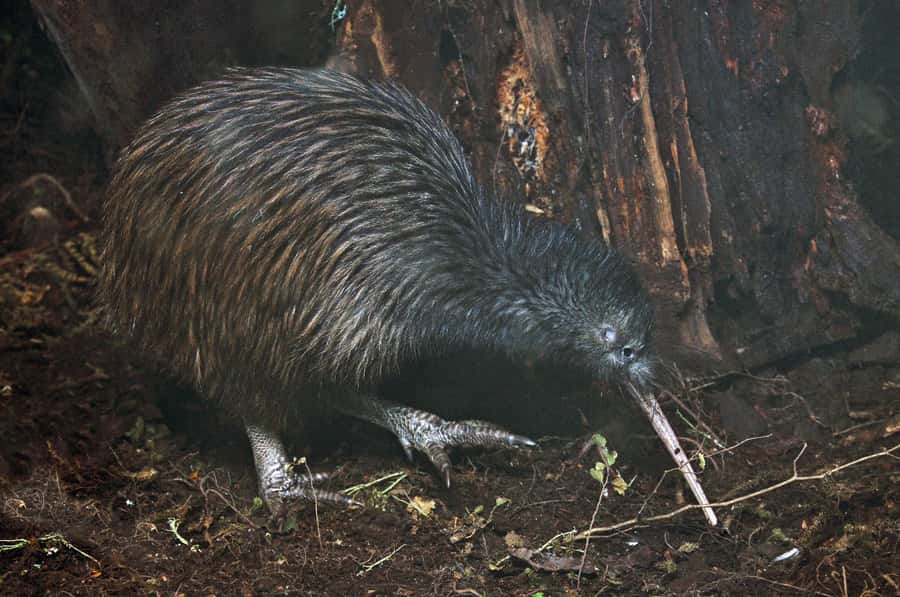
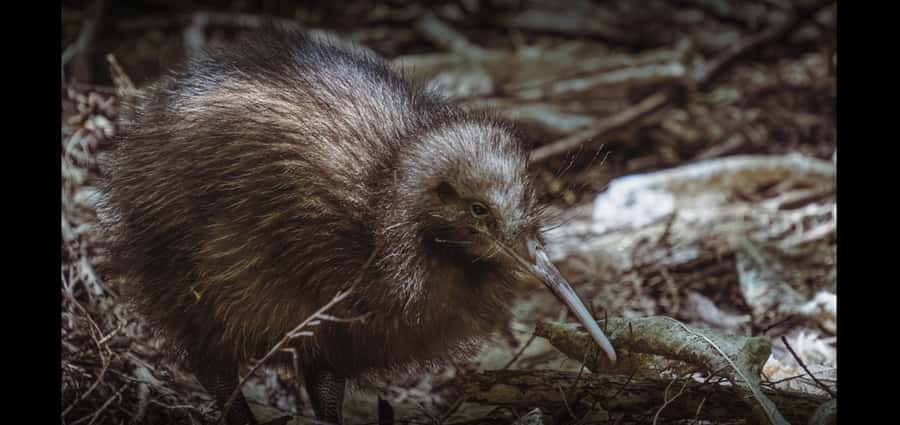
Tāwharanui after dark is one of Auckland’s best places to search for a kiwi that is truly wild. You move slowly through protected bush, listening for calls and watching for a quick shape in the torchlight. Seeing even one North Island brown kiwi is a special moment, and guides such as Legend, Chris, Millie, Sean, and Lucas know how to give you the best chance without turning the search into a noisy parade.
I like two things here: the patient, respectful approach to wildlife, and the useful second act under the stars. The park’s low light pollution can reveal planets, constellations, and Southern Hemisphere stars, while a telescope may show details on the moon. The main drawback is simple: kiwi sightings are never guaranteed, and searching can be slow, cold, and quiet before the action begins.
Key points to know before you book
- Wild kiwi in protected bush: Search for North Island brown kiwi in their natural home, not in an enclosure.
- Patient tracking matters: Your guide listens for calls, follows signs, and uses specialist equipment to help locate birds.
- Stargazing adds real value: Telescope and viewing equipment can bring planets, stars, and the moon into the evening.
- The walk is calm and unhurried: This suits people who enjoy nature observation more than a fast sightseeing tour.
- Glamping is optional: You can add an overnight stay, but campsite booking and fees are not included in the basic price.
- Transport can be added: A pickup option helps if you do not have a car, since Tāwharanui is north of Auckland.
Why Tāwharanui is worth the night drive
Tāwharanui Regional Park sits north of Auckland at the end of Takatu Road. It is a protected conservation area with native bush, open habitats, coastline, and a dark night sky far from the city’s glare.
That setting is important. Kiwi are nocturnal, shy, and difficult to find in ordinary daytime conditions. Here, the night is the point of the visit. You are not simply walking through a park after sunset. You are entering the hours when the bush changes character and native wildlife becomes active.
I also like the sense of place. The experience connects kiwi conservation, native plants, local wildlife, Māori star stories, and the practical work needed to protect an ecosystem. The guide’s job is not only to find a bird. It is to help you understand why the bird can live here and why careful management matters.
The meeting point is near the public bathrooms at the end of Takatu Road, inside the park. Take the location details seriously. This is not a central Auckland meeting spot, and the drive north is part of the plan unless you add transport at checkout.
More clear-night outings around New Zealand:
- Lake Tekapo: Alpine Stargazing Experience with a Guide
★ 4.5 · 626 reviews - Lake Tekapo: Stargazing Experience
★ 4.9 · 607 reviews - Chameleon Stargazing Shared Tour
★ 5.0 · 181 reviews
Meeting your guide beside Takatu Road
The evening begins with a briefing near the public bathrooms. Your guide explains the route, safety points, and the quiet behaviour needed around kiwi. You also get background on the park, its native species, and the conservation work that supports them.
The guides bring a friendly, relaxed tone. Legend is often praised for combining strong wildlife knowledge with stories and humour. Chris and Millie have led groups that included both adults and children, while Lucas has been noted for sharing information about kiwi, stars, insects, plants used as medicine, and the area’s culture.
The exact guide depends on the date and group. That is useful to know because the experience is guide-led in a real sense. You are not just handed a torch and sent down a track. You rely on the guide’s eyes, ears, experience, and judgment.
Small groups or private departures are available. Group size affects the mood. A smaller group makes it easier to stay quiet and gather around a sighting, while a larger group may take more time to settle and move together.
The two-hour kiwi search
The main activity lasts about two hours. It is a walking and listening experience, not a ride from one viewing platform to another.
As daylight fades, you move through native bush and open areas at a gentle pace. The guide may pause to listen for kiwi calls, check likely feeding areas, or watch for movement near the track. You may use torches, headlamps, and other kiwi-spotting equipment supplied by the operator. One guide has also used thermal equipment to help locate birds in the dark.
This slow rhythm is worth understanding before you pay. You might spend a fair stretch of time seeing nothing obvious. That is not poor organization. Kiwi are fast, low to the ground, and well adapted to disappearing into dark vegetation. The strongest moments often come after a quiet wait, when a guide spots a bird that your own eyes would have missed.
Past sightings have ranged widely. Some evenings have produced two or three birds, while particularly lucky groups have seen seven, ten, fourteen, or even more. Those numbers are possibilities, not promises. Weather, season, bird movement, group noise, and plain chance all matter.
When a kiwi appears, the viewing is handled with care. The aim is to watch the bird in its own habitat without crowding or chasing it. You may see a bird moving quickly through the bush, hear one before you see it, or get a clearer look if it pauses. One evening included a bird that sat still long enough for several photographs, but you should not count on a long photo session.
The guide also explains kiwi behaviour, habitat needs, threats, and the work behind predator control and habitat protection. That turns a short sighting into something more lasting. You begin to understand the bird as a living part of the park, not simply a box to tick.
What the night sky adds
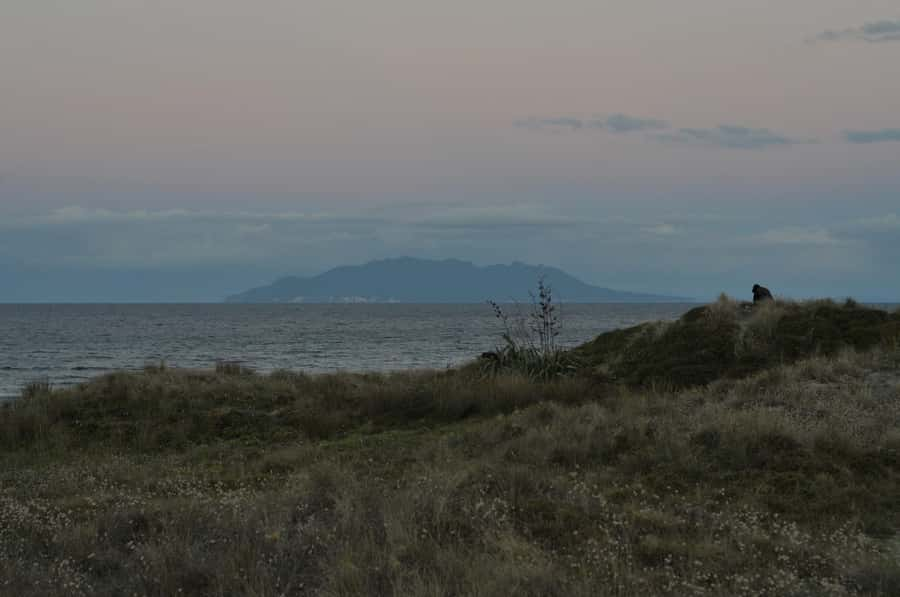
Stargazing is not filler. It gives the evening a second focus and makes the park feel larger once the bush search ends.
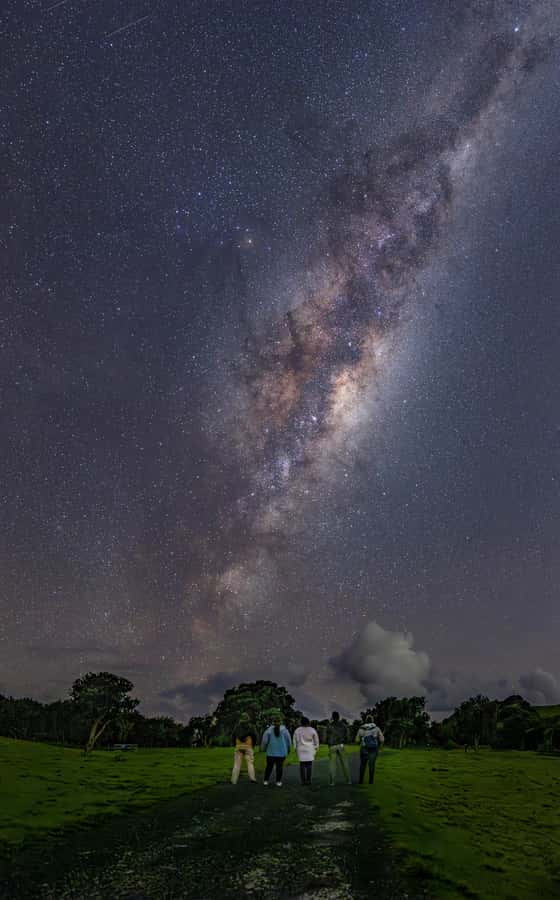
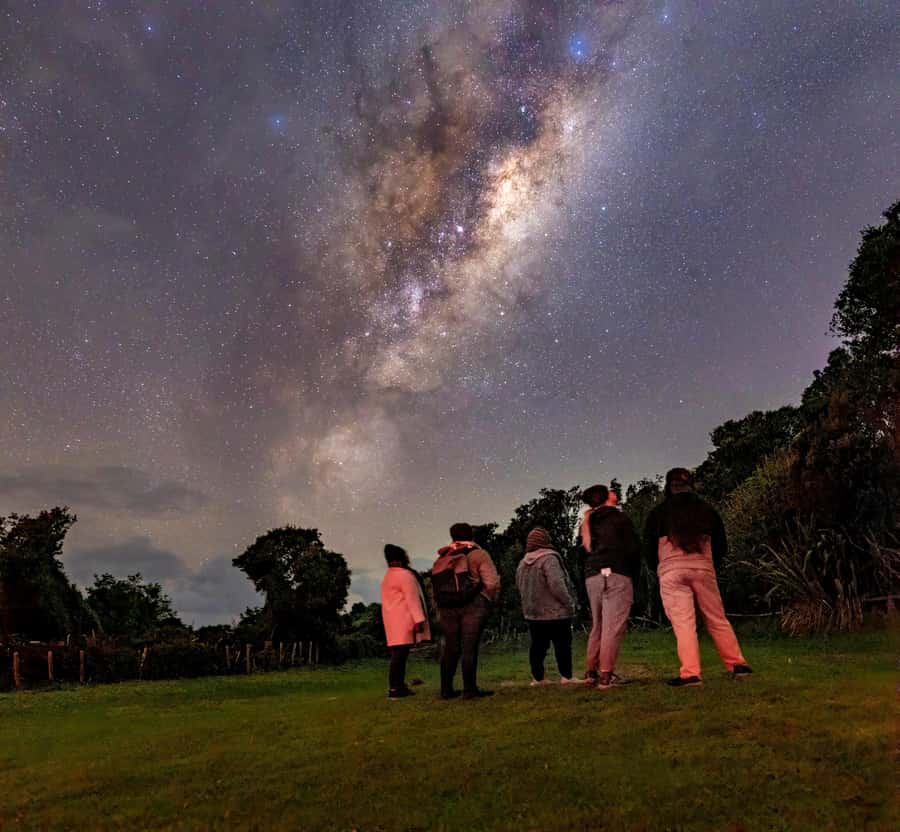
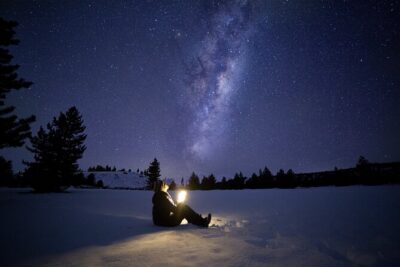
Tāwharanui has low light pollution because it is far from Auckland’s bright urban core and surrounded in part by ocean. On a clear night, you can see dense star fields, planets, and seasonal constellations. Guides may use binoculars or a telescope to help you pick out objects that are hard to identify with the naked eye.
Past sessions have included Venus, Jupiter, Saturn, the moon, and its craters. The exact view depends on the weather and time of year. Clouds can block the stars completely, so keep your expectations flexible. On one cloudy evening, the group spent its time concentrating on kiwi instead.
The explanations go beyond naming stars. Your guide may discuss Māori stories connected to the sky, Southern Hemisphere viewing, navigation, and basic astronomy. I find this combination more useful than a technical lecture because you learn how people have made sense of the night sky as well as what you are looking at through the telescope.
If you are booking mainly for astronomy, check the forecast and remember that cloud can change the balance of the evening. If you are booking for kiwi, cloudy conditions do not necessarily spoil the experience. In fact, one group had no stargazing but still saw seven kiwi.
Same stars, another vantage point:
- Lake Tekapo: Mountaintop Stargazing at Mount John Summit
★ 4.5 · 176 reviews - Mount John Observatory Stargazing Experience, Tekapo
★ 4.5 · 160 reviews - Tekapo Star Gazing Tour – Soak in the Stars
★ 4.5 · 109 reviews - Silver River Stargazing Experience in Lake Tekapo
★ 4.5 · 106 reviews
A possible flash of blue along the shore
Some departures may include a look at bioluminescence near the shoreline or in shallow water. When conditions are right, movement in the sand or water can create a soft blue glow from microscopic organisms.
This is an appealing extra, but it is not guaranteed. It depends on natural conditions, so treat it as a lucky bonus rather than part of the core promise.
The guide explains the science behind the glow and how these tiny organisms create their own light. It adds another layer to the evening: kiwi in the bush, stars overhead, and living light near the coast.
The optional overnight glamping stay
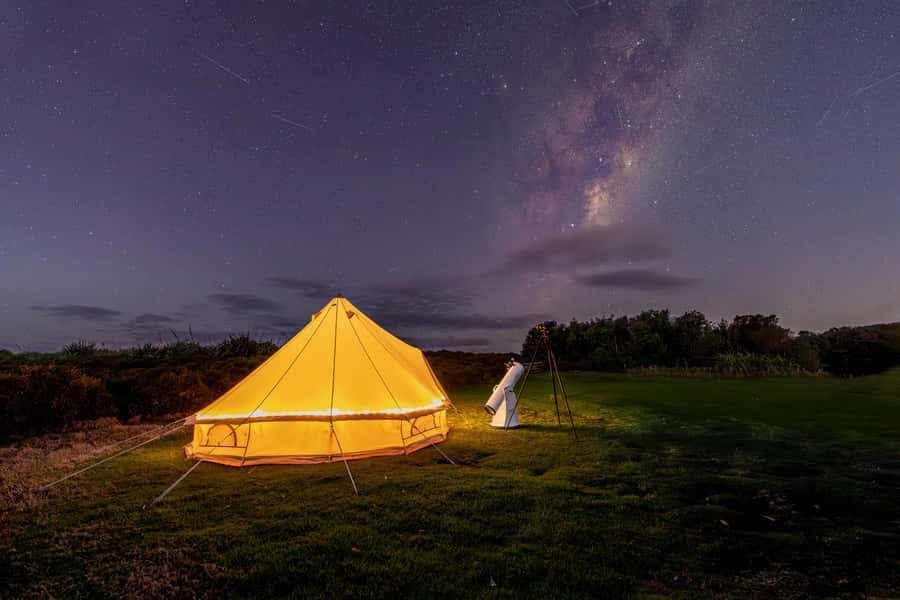
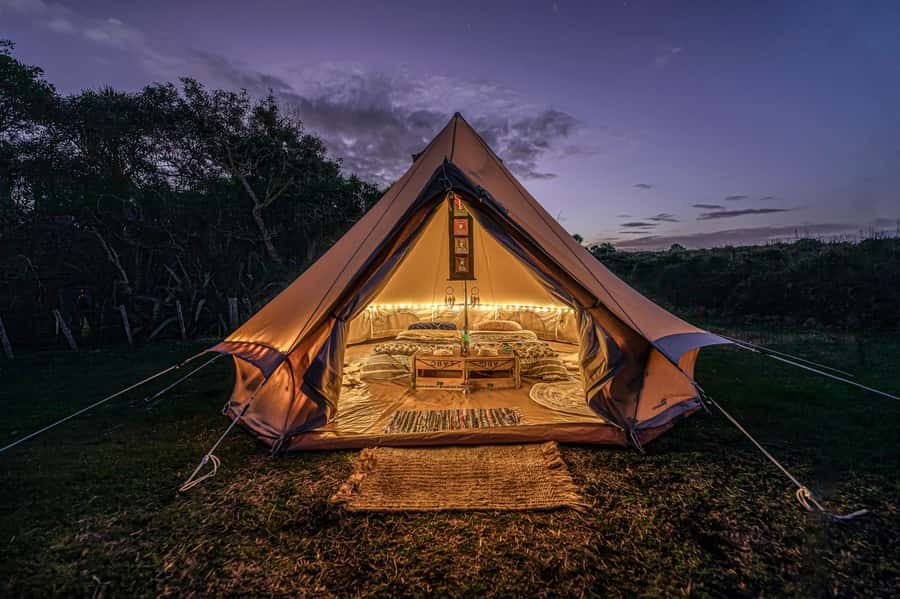
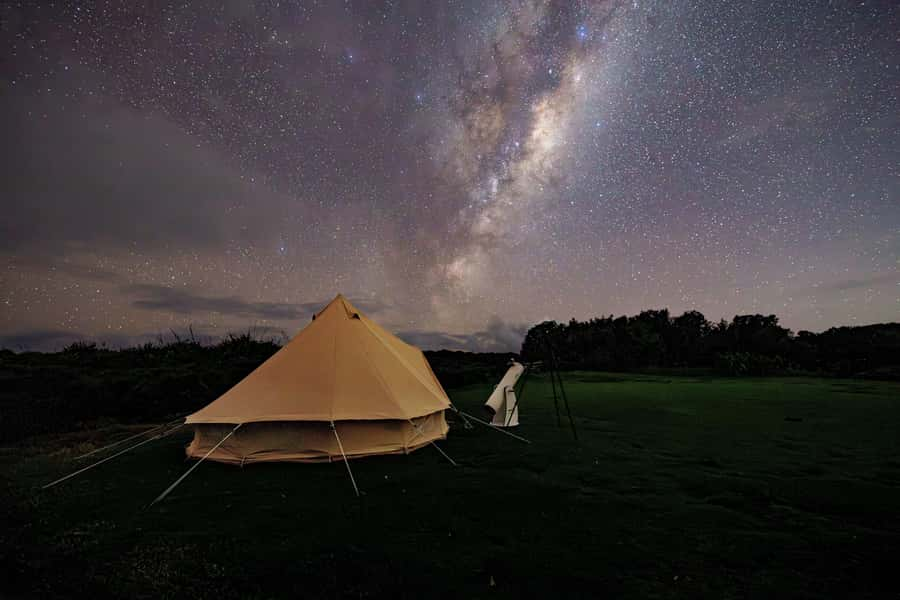
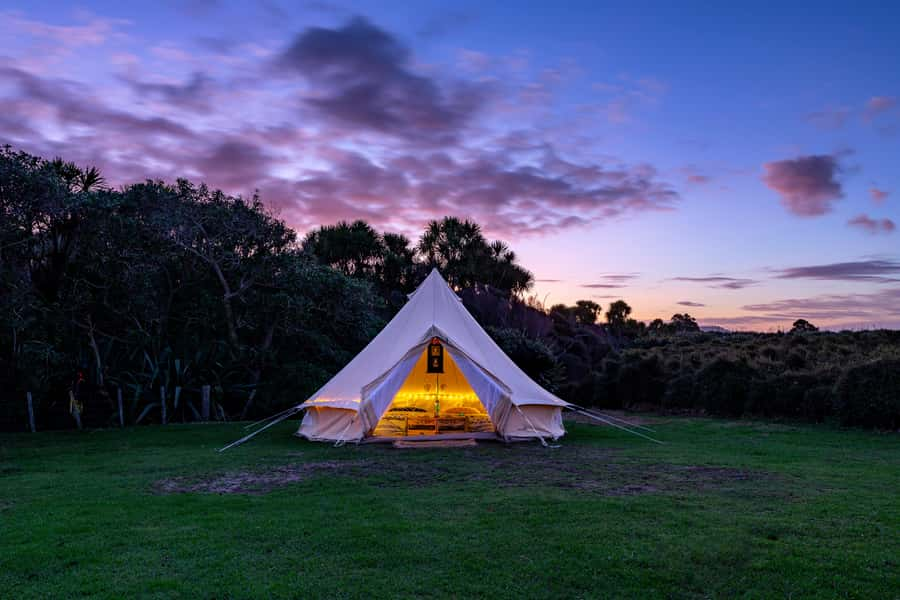
An overnight stay can be selected as an extra. The tent is set up before the tour, and past visitors have found blankets, foam mattresses, small snacks, and other basic supplies inside.
This option may suit you if you want to avoid a late drive back to Auckland or if you want more time in the park. It also lets the night feel like a complete nature outing rather than a quick trip north and south.
Read the inclusions carefully. The guide, stargazing and kiwi-spotting equipment are included. Glamping is included only if you choose that option. Campsite booking and fees are not part of the basic price, and food and drinks beyond any stated glamping provisions are extra.
The published duration is two hours for the guided experience, while the overnight option extends your time at the park. Confirm the exact arrangements at booking, especially if you are planning around a tight Auckland schedule.
Is $89 good value?
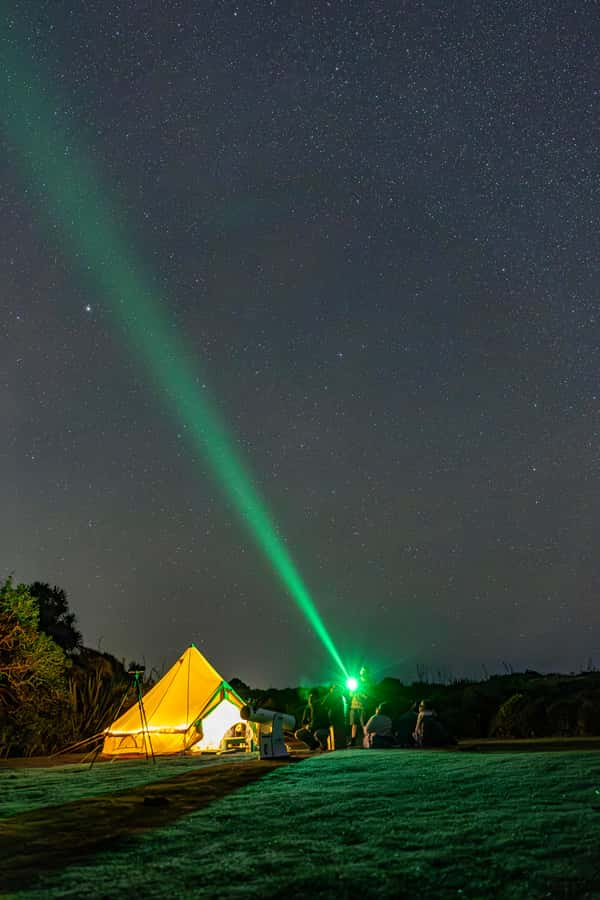
At $89 per person, the price is fair if you value skilled wildlife guiding and a small, unusual night activity. You are paying for access to a protected setting, a guide who can locate animals that are hard to find alone, specialist viewing equipment, and a combined kiwi and astronomy program.
The value rises if you see several kiwi, but that should not be your only measure. A guide may work hard for one brief sighting, and that can still be a worthwhile encounter because the bird is wild and the search itself is part of the experience.
Transport is not included in the base price, though it can be added. If you do not have a car, paying for pickup may make sense. The park is a short but scenic drive north of Auckland, and returning late at night can be inconvenient without your own vehicle.
The optional glamping stay changes the total cost, as do campsite fees and food. Price the full plan before booking so the advertised per-person figure does not surprise you later.
Practical tips for a better kiwi encounter
Wear comfortable shoes with a secure grip. The activity involves walking through bush and open areas at night, so ordinary city footwear may not be ideal.
Bring warm clothing even in summer. Evening temperatures can drop, and the slow pace means you are not constantly generating body heat. Winter departures can be especially cold, and one useful rule is to bring more layers than you think you need.
Carry water. Food and drinks are not included in the standard tour. If you choose glamping, check exactly what is provided rather than assuming meals are part of the package.
Keep your phone use and conversation under control. Quiet helps the guide hear calls and helps the group move without disturbing the birds. Photography is possible, but kiwi are quick and dark conditions make sharp images difficult.
Allow extra time around the advertised duration if you add transport or stay overnight. Some pickup arrangements may return you to Auckland very late. That can be helpful if you are staying in the city and do not want to drive, but it is worth planning around your next morning.
The activity is suitable for children who can walk quietly and patiently. A nine-year-old enjoyed the experience, and an 11-year-old joined a family group that saw more than 15 kiwi. Very young children or anyone who dislikes darkness, waiting, or uneven outdoor walking may find it less comfortable.
Who will enjoy this most?
I would recommend this to people who want wildlife in a natural setting rather than a guaranteed close-up. Bird lovers will appreciate the tracking, but you do not need specialist birding skills. The guide does the hard work of finding and identifying the animals.
Families can enjoy it if children understand that quiet waiting is part of the fun. Couples and solo visitors will find plenty to like in the mix of wildlife and stars. It also suits anyone with a free evening near Auckland who wants something more distinctive than a standard city outing.
It is less suited to anyone who needs a fixed schedule, dislikes cold outdoor conditions, or expects constant action. The search may begin slowly. You may see one kiwi, several, or none. The honest appeal is the chance to meet a wild nocturnal bird on its own terms.
Should you book the Tawharanui kiwi encounter?
Book it if seeing a wild North Island brown kiwi is high on your New Zealand list and you can accept patience, darkness, and uncertainty. The guides add real value, especially people such as Legend, Chris, Millie, Sean, and Lucas, who bring wildlife facts, star lore, Māori stories, and good humor to the walk.
I especially like the two-part design. Even if the kiwi are elusive, you still have the night sky, the bush, and the chance of bioluminescence. If you want the best odds, choose a small group, bring warm clothes, keep expectations realistic, and consider transport or glamping based on your plans.
FAQ
Where does the tour meet?
Meet near the public bathrooms at the end of Takatu Road in Tāwharanui Regional Park.
How long does the guided experience last?
The guided kiwi-spotting and stargazing experience lasts about two hours.
Is transport from Auckland included?
Transport is not included in the base price, but it can be added at checkout.
Are kiwi sightings guaranteed?
No. Kiwi are wild animals, and sightings depend on conditions and wildlife activity. The guide uses tracking methods and specialist equipment to improve your chances.
What equipment is provided?
The experience includes stargazing and kiwi-spotting equipment. Guides have used torches, headlamps, binoculars, telescopes, and thermal equipment during different outings.
Can I stay overnight?
Yes. An optional glamping stay is available. Campsite booking and fees are not included in the standard activity price.
What should I bring?
Bring comfortable shoes, warm clothing, and water. Extra food and drinks are not included.
Just in after dark around New Zealand
- Christchurch: Lake Tekapo Stargazing & Mount Cook 2-Day Tour★ 5.0 · 6 reviews
- Akaroa: Stargazing Tour with 2 Telescopes & Souvenir Photos★ 5.0 · 17 reviews
- AuthenticAs Star Gazing -Nightscape Portrait Photography Tour★ 5.0 · 59 reviews
- Dark Sky Indoor Maori Cultural Astronomy Experience★ 4.5 · 70 reviews
- Stargazing Experience at Cowan’s Private Observatory★ 4.0 · 85 reviews
- Silver River Stargazing Experience in Lake Tekapo★ 4.5 · 106 reviews
- Tekapo Star Gazing Tour – Soak in the Stars★ 4.5 · 109 reviews
- Mount John Observatory Stargazing Experience, Tekapo★ 4.5 · 160 reviews
New Zealand Stargazing, night against night.
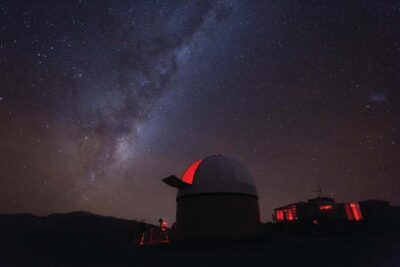

Mount John Observatory Stargazing Experience, Tekapo
Read our review →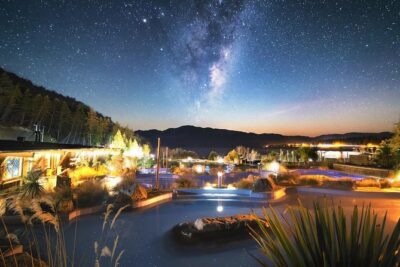
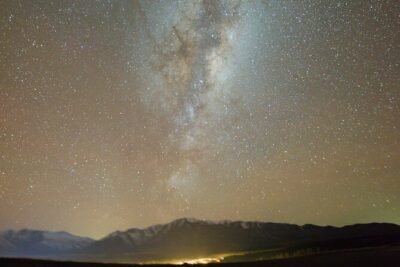
Silver River Stargazing Experience in Lake Tekapo
Read our review →
Stargazing Experience at Cowan’s Private Observatory
Read our review →Lists this night appears in