
Review · LAKE TEKAPO
Lake Tekapo: Alpine Stargazing Experience with a Guide
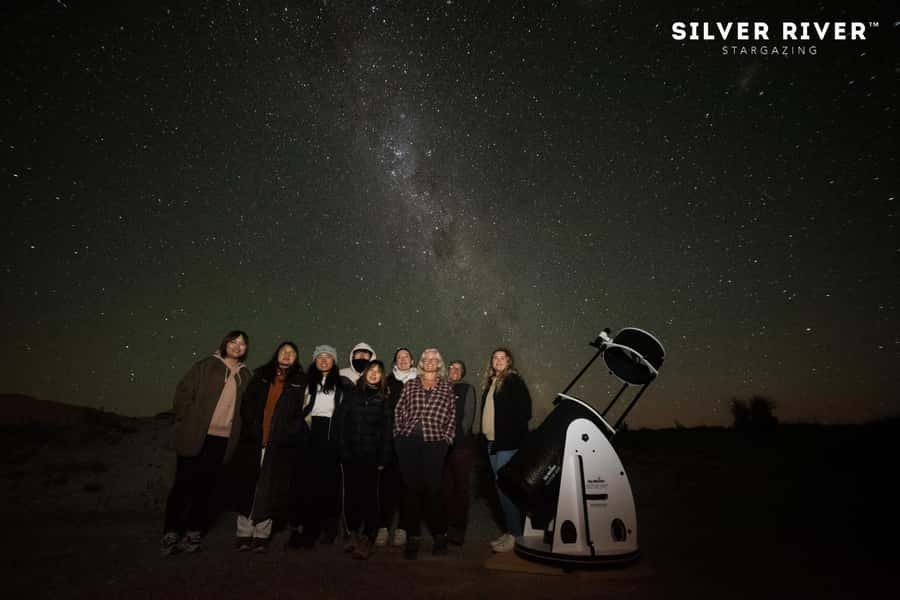
The first thing to understand about this Lake Tekapo stargazing tour is that the naked-eye view may be the real star. From private farmland with almost no stray light, the Milky Way can stretch across the sky in a way that city dwellers rarely see. I like the powerful 14-inch telescope, which brings planets, star clusters, nebulae, and sometimes even a neighboring galaxy within reach. I also like the small groups, capped at 10 people, so you get more time with the guide and telescope.
The main drawback is simple: astronomy depends on weather. Clouds, wind, or a bright moon can limit what you see through the telescope, though guides still explain the sky and point out visible stars. You will also be outside at night, so bring warm layers even though long down jackets are provided.
Key points at a glance
- Private dark-sky farmland: Ride from Lake Tekapo to a 50,000-acre farm inside the Aoraki Mackenzie International Dark Sky Reserve.
- 14-inch telescope: View planets, the Moon, star clusters, galaxies, and nebulae when conditions allow.
- Small groups of 10: The group size gives you a better chance of asking questions and getting telescope time.
- Clear southern-sky guidance: Laser pointers make it easier to follow constellations and learn how to find them again.
- Warm clothing supplied: Long down jackets help with the cold, but extra layers remain a good idea.
- Free digital photograph: A group photo beneath the stars is sent by email within 48 hours, weather permitting.
Why Lake Tekapo is made for stargazing
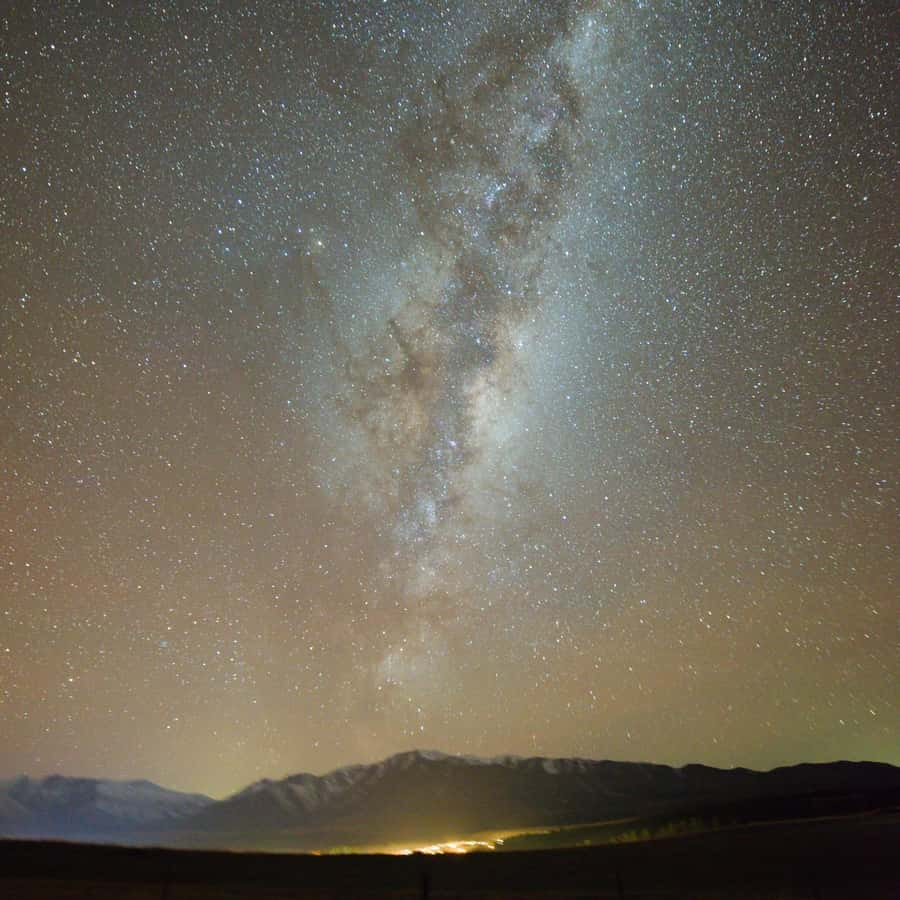
Lake Tekapo sits within the Aoraki Mackenzie International Dark Sky Reserve, an area known for its unusually low light pollution. That matters more than fancy equipment. When artificial light is kept to a minimum, your eyes can pick out far more stars, and the pale band of the Milky Way becomes a broad, textured river rather than a faint smudge.
The local community also takes steps to reduce unnecessary light around Tekapo. Once you leave town, the difference becomes clear. The tour heads to private farmland, away from the lights near the lake and settlement, giving you a wide 360-degree view of the southern sky.
I would not treat this as simply a telescope appointment. The best part is learning how to look up. A good guide connects individual stars into constellations, explains how people in different cultures named them, and shows you how to use bright stars to find your way around the sky.
Guides such as Tara, Sam, Nicole, Marcus, JoJo, Wilson, and Estelle have been praised for making the astronomy easy to follow. The tone is generally friendly and relaxed, with room for questions, family discussion, and the occasional debate about the universe.
More Guided Nights Out in New Zealand:
- Prague: Klementinum Library & Astronomical Tower Guided Tour
★ 4.5 · 5,050 reviews - Teide: Guided Sunset & Stargazing Tour by Night with Dinner
★ 4.7 · 1,339 reviews - Griffith Observatory Hike: Guided Tour through Griffith Park
★ 5.0 · 1,020 reviews
Meeting at the Kiwi Treasure post office
Your starting point is the Silver River Stargazing office inside Kiwi Treasure, which also serves as Lake Tekapo’s post office. This is useful to know because the building may not look like a traditional tour office at first glance. If you are unsure where to go, asking for the post office should get you there.
The check-in process includes a short safety briefing of about five minutes. You receive a warm down jacket if you need one, then board the transport for the short ride to the viewing site. The transfer takes about five minutes each way, although one visitor described a slightly longer ride in an older vehicle over the farm tracks.
That short transfer is part of the experience. You are leaving the town lights behind and heading toward a darker, more open setting. It is not a long expedition, which makes the tour easy to fit into a busy Tekapo evening.
The total activity lasts 75 minutes. That includes the briefing, both transfers, and about an hour at the viewing area. The timing is compact, so you get a focused introduction rather than a whole-night astronomy course.
The private farm viewing site
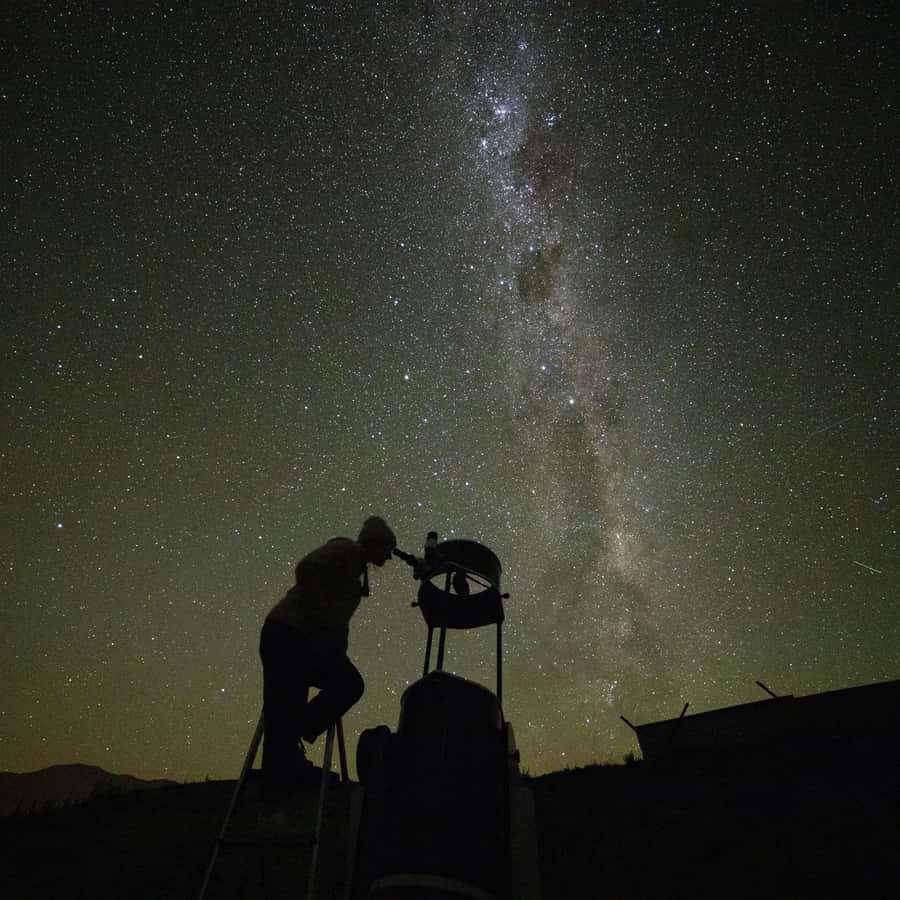
At the farm, chairs and the telescope are set up before your group arrives. You do not need to carry equipment or walk far in the dark. The site offers open views in all directions, which helps the guide use different parts of the sky as the night changes.
The lack of stray light is especially valuable for naked-eye viewing. You may see the Milky Way, bright planets, star clusters, and shooting stars without using the telescope at all. One group saw a meteor, while another had the rare bonus of a strong Aurora Australis.
An aurora is never guaranteed by this tour, and it should not be your reason for booking. Think of it as a fortunate extra. The reliable attraction is the dark southern sky, not a specific rare event.
The farm setting also gives the experience a more rural feel than a town-based astronomy talk. You are standing beneath a huge sky, not looking at a projected image in a room. The tradeoff is exposure to cold and wind. One visitor found that wind made telescope views less sharp, and another suggested that blankets or hot drinks would be welcome.
How the 14-inch telescope changes the view
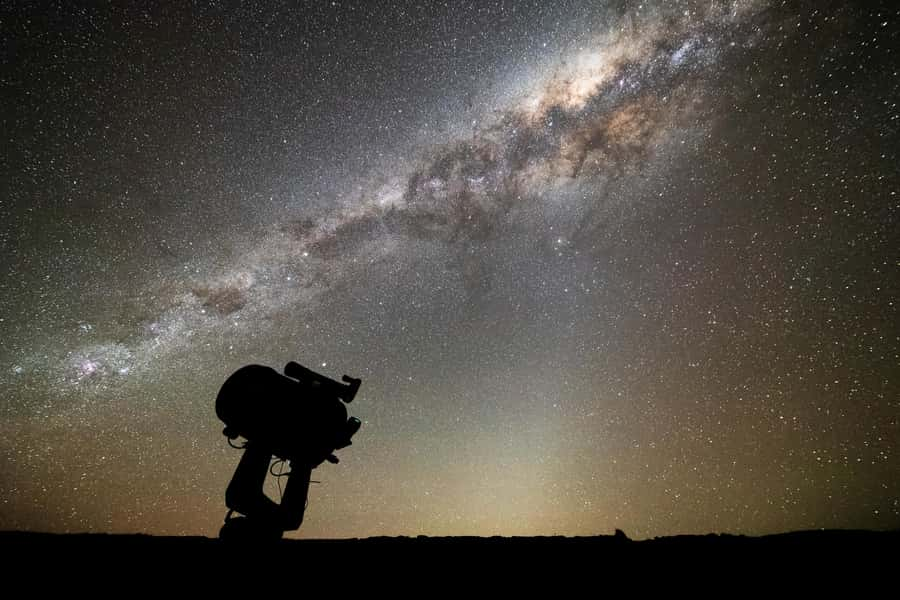
The 14-inch telescope is the practical heart of the tour. A large telescope gathers more light than the human eye, allowing you to see objects that would otherwise remain faint or invisible. You may look at the Moon, Jupiter, Saturn, planets, star clusters, galaxies, or nebulae, depending on the season and conditions.
Several examples give you a sense of what may be available. Groups have viewed Jupiter with its four large moons, Saturn, the Moon, and distant galaxy forms. One evening included a view of a neighboring galaxy. These sightings are not fixed promises because the visible sky changes during the year, but the guide chooses suitable objects for the night.
The telescope experience works best when you treat it as a shared activity. In a group of up to 10, everyone takes a turn at the eyepiece while the guide explains what you are seeing. You may need to wait briefly for other people, and some visitors wanted more telescope time, but the small group keeps that wait reasonable.
The naked-eye sky remains important. A telescope shows detail in one small part of the heavens, while your unaided eyes reveal the scale of the whole sky. I like that this tour gives you both: close views through the instrument and a lesson in finding the larger patterns above you.
More Stargazing Tours around New Zealand:
- Lake Tekapo: Stargazing Experience
★ 4.9 · 607 reviews - Chameleon Stargazing Shared Tour
★ 5.0 · 181 reviews - Lake Tekapo: Mountaintop Stargazing at Mount John Summit
★ 4.5 · 176 reviews - Mount John Observatory Stargazing Experience, Tekapo
★ 4.5 · 160 reviews
Guides, lasers, and southern constellations
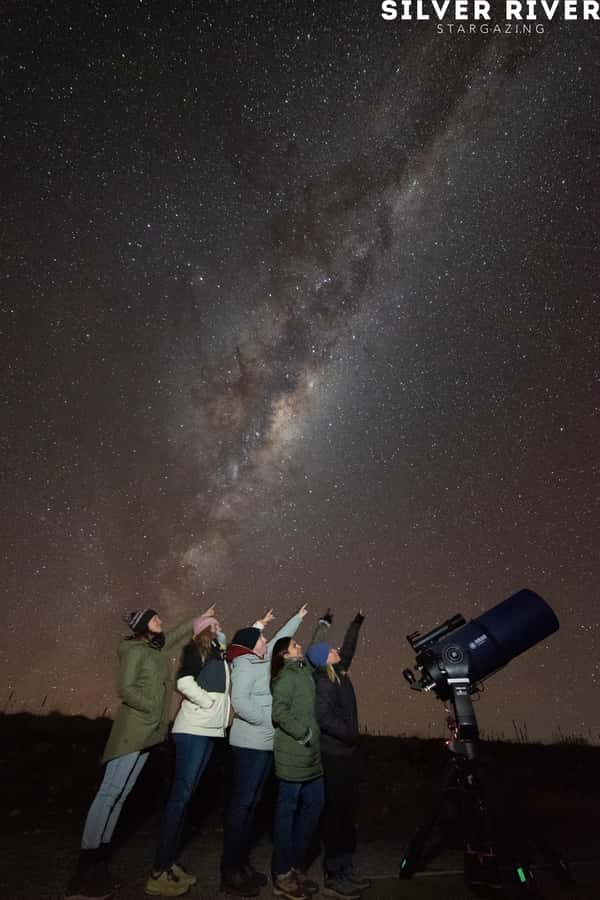
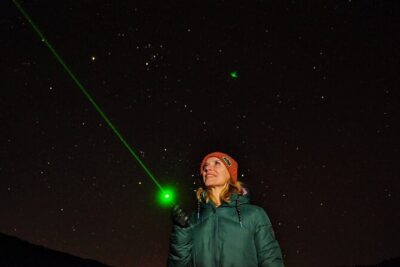
The guide makes the difference between simply looking at stars and understanding them. A laser pointer is used to trace constellations and mark specific stars, which is much easier than trying to follow a verbal explanation in the dark.
The guides have different styles. Sam has been praised for clear astronomy explanations and an entertaining introduction. Tara has been especially good with family questions. JoJo has used humor and careful explanations to keep the evening lively, while Estelle inspired one young adult to study more about astronomy afterward.
You can expect explanations of southern constellations, star names, navigation, and the reason the southern sky looks different from the northern hemisphere. Some guides also share stories about how stars were named in different cultures. This adds meaning without turning the tour into a lecture.
The format suits beginners. You do not need prior astronomy knowledge, and the language is intended to be easy to follow. Japanese-language guiding is available as well as English. If you have a question, ask it. The small group makes this more practical than a large presentation.
One limitation is that sound can be difficult outdoors. Wind and distance may make a guide harder to hear, particularly if you stand at the back of the group. Stay close enough to the guide and ask for a point to be repeated if needed.
Cold-weather comfort and what to wear
Lake Tekapo can be cold after dark, even during a pleasant day. Long warm jackets are supplied, and this is more useful than it may sound. You are standing or sitting still while looking through the telescope, so you lose warmth faster than you would while walking.
Still, I would wear warm trousers, enclosed shoes, and several layers. The supplied jacket is an extra barrier, not a substitute for winter clothing. Gloves and a warm hat may also make the hour outside more comfortable, though they are not listed as supplied items.
Chairs are available, which helps families and anyone who does not want to stand for the full session. There are no hot drinks or blankets listed as inclusions, so plan accordingly. Comfort matters here because a cold, distracted visitor will pay less attention to the sky.
The tour is wheelchair accessible, but the activity takes place outdoors on private farmland. If you have specific mobility needs, confirm the practical details when booking.
The complimentary photo under the stars
At the end of the evening, the guide takes a group photo beneath the night sky, weather permitting. The image is sent through a digital link within 48 hours, giving you a useful souvenir without an extra photo charge.
Night-sky portraits are difficult to take well. The person taking the photograph needs to balance the light on the group with the stars behind you, so this is more than a quick snapshot. Several visitors considered the photo one of the strongest extras, and one photographer particularly liked the composition.
You should not expect a private portrait session. It is a group photograph, and the quality depends on weather, darkness, and the guide’s setup. Still, it gives you a record of the evening that your phone camera is unlikely to capture on its own.
Price and overall value at $59
At $59 per person, this is a fair price for a 75-minute guided experience in one of the world’s recognized dark-sky areas. The fee includes transport from the town office, a warm jacket, the guide, use of the 14-inch telescope, and the digital photograph.
The value comes from access and interpretation. You can drive toward the dark-sky reserve and look up for free, but you may not know what you are seeing, and you may miss objects that the telescope reveals. The guide turns a dark field into an organized lesson with equipment you are unlikely to carry yourself.
The short duration keeps the cost manageable, but it also limits the depth. If you are an experienced amateur astronomer hoping for hours of observing, this may feel brief. One visitor wanted more telescope time. For most first-time stargazers, though, the hour at the farm gives enough variety without becoming tiring.
I see the tour as good value for families, couples, first-time telescope users, and anyone visiting Tekapo for only a night or two. It is less suited to someone seeking a highly technical astronomy session or a long, private observation program.
Who should book this Tekapo experience?
You should book it if seeing the Milky Way is high on your New Zealand wish list. The combination of very dark skies, a guide, and a large telescope gives you more than a casual look upward.
Families should find plenty to hold a child’s attention, especially when planets and the Moon are visible. The one infant limit applies, and infants must be booked onto the earliest departure of the night. Children also need to manage a late evening and cold outdoor conditions.
It suits photographers because of the supplied night-sky image, though you should not expect dedicated photography instruction. It also works well for solo visitors because the group structure gives you company without requiring a private booking.
The tour is offered in English and Japanese. If you have limited vision, the laser pointer may help you follow the guide’s explanation, and the operator can assist with telescope viewing. Tell the team about your needs at booking so they can plan appropriately.
Weather, moonlight, and realistic expectations
A clear night gives you the best chance of seeing the full range of stars and telescope targets. Clouds can block some or all of the view, while wind can make telescope images shimmer. A bright moon adds light to the sky, but it does not automatically ruin the evening. One group still enjoyed the stars and telescope despite an almost full moon.
The schedule may shift slightly if conditions change. A 15-minute delay has been used to allow the sky to clear. That flexibility is sensible, but keep your evening plans loose enough to handle a small adjustment.
You also cannot reserve a particular planet, nebula, meteor, or aurora. The guide works with the season, the time of night, and the weather. The reliable promise is a guided look at the southern night sky from a very dark site.
For the best experience, arrive ready to spend an hour outdoors, keep your expectations flexible, and judge the tour by the quality of the explanation as well as the number of objects seen.
Should you book the Lake Tekapo stargazing tour?
I would book this tour if you want a clear introduction to the southern sky, especially if you have never seen the Milky Way away from city lights. The private farm setting, small group, 14-inch telescope, warm jacket, and free photograph make the $59 fee reasonable.
Skip it if you dislike cold outdoor activities, need a long astronomy session, or would be disappointed by a cloudy night. If your schedule allows, choose an evening with a favorable forecast and keep the rest of the night flexible.
For most people spending time in Tekapo, this is one of the better ways to understand why the region protects its darkness. You may remember Jupiter or Saturn through the telescope, but the lasting image is likely to be the Milky Way spread across the entire sky.
FAQ
Where does the Lake Tekapo stargazing tour begin?
Meet at the Silver River Stargazing office inside Kiwi Treasure, which is also Lake Tekapo’s post office.
How long does the experience last?
The full experience lasts 75 minutes. This includes a five-minute safety briefing, transfers of about five minutes each way, and around one hour at the stargazing site.
How many people are in each group?
Small groups are available, with the tour capped at 10 people.
What equipment is provided?
The tour provides access to modern 14-inch telescopes, special astro-lasers, warm down jackets, and round-trip transport from the check-in office to the viewing site.
Is the tour available in Japanese?
Yes. Live guiding is available in English and Japanese.
Is the photo included in the price?
Yes. A group photo under the stars is included, depending on the weather, and is sent through a digital link within 48 hours.
Just in after dark around New Zealand
- Christchurch: Lake Tekapo Stargazing & Mount Cook 2-Day Tour★ 5.0 · 6 reviews
- Akaroa: Stargazing Tour with 2 Telescopes & Souvenir Photos★ 5.0 · 17 reviews
- AuthenticAs Star Gazing -Nightscape Portrait Photography Tour★ 5.0 · 59 reviews
- Dark Sky Indoor Maori Cultural Astronomy Experience★ 4.5 · 70 reviews
- Auckland (Tawharanui): Wild Kiwi Bird Spotting Encounter★ 4.9 · 78 reviews
- Stargazing Experience at Cowan’s Private Observatory★ 4.0 · 85 reviews
- Silver River Stargazing Experience in Lake Tekapo★ 4.5 · 106 reviews
- Tekapo Star Gazing Tour – Soak in the Stars★ 4.5 · 109 reviews
Stargazing Tours, night against night.

Dubai Red Dunes ATV, Camels, Stargazing & 5* BBQ Al Khayma Camp
Read our review →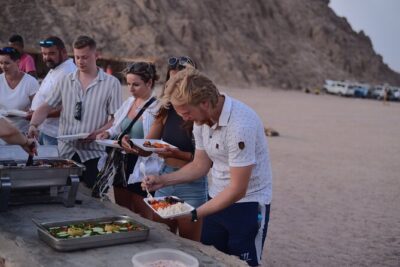
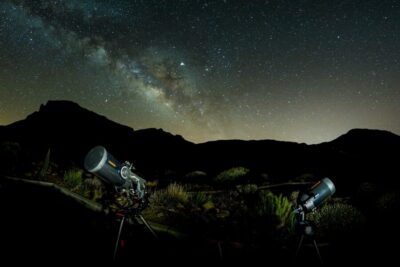
Teide National Park Sunset & Stargazing with Dinner (Star Safari)
Read our review →
Sunset Camel Trek, Al Khayma Camp, Stargazing & BBQ
Read our review →
Overnight Safari, Dinner, Stargazing & Al Khayma Camp
Read our review →
Dubai Overnight Desert Safari, BBQ & Stargazing at Al Khayma Camp
Read our review →
Sunset Quad Bike, Camel w/ Opt Stargazing and BBQ
Read our review →Lists this night appears in