
Review · MAUI
Stargazing Tour in Kapalua
The best part of this one-hour Kapalua beach tour is the setting. You walk a short distance from the meeting point to a darker stretch of beach, then look up with no city glare competing with the stars. Christian guides the session with a telescope and a laser pointer, helping you make sense of what you see instead of simply handing you a turn at the eyepiece.
I like the small group size, capped at 12, and the way the tour works for beginners as well as people who already know a little astronomy. I also like the mix of naked-eye viewing and telescope views of planets, stars, clusters, nebulae, and galaxies. The main caution is weather: clouds can reduce what you see, and the Hawaiian and Polynesian cultural material may feel lighter than some visitors expect.
Key points at a glance
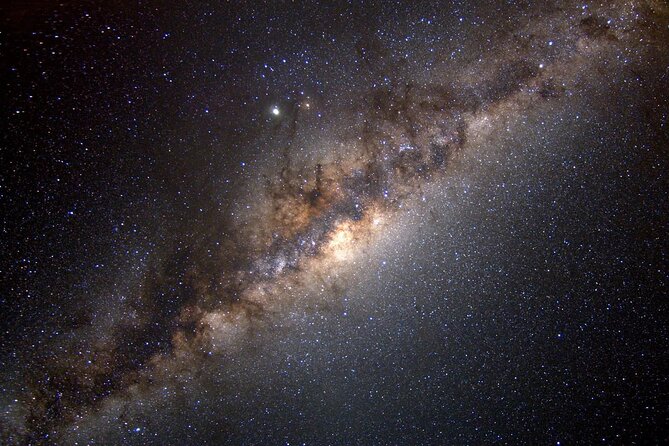
- A dark beach setting: The short walk from Kapalua Pl to the viewing area brings you away from some of the nearby light.
- Christian leads the session: He explains astronomy in plain language and uses a laser pointer to identify constellations and objects overhead.
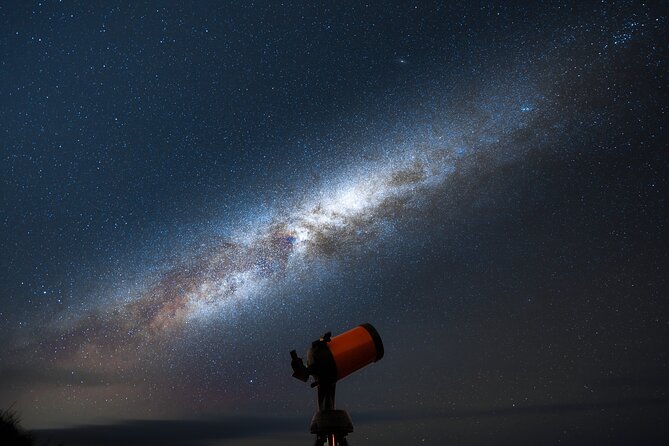
- A Schmidt-Cassegrain telescope: This is the main tool for close views of planets, the Moon, stars, and other celestial objects.
- A compact one-hour format: It fits easily into an evening, though telescope time is shared among the group.
- A useful cultural introduction: You’ll hear about Hawaiian celestial traditions, though the focus is more general astronomy than a full Polynesian navigation lesson.
- Weather affects the experience: Clouds may lead to a rescheduled tour, a refund, or a session with fewer visible objects.
A quiet start on West Maui’s beach
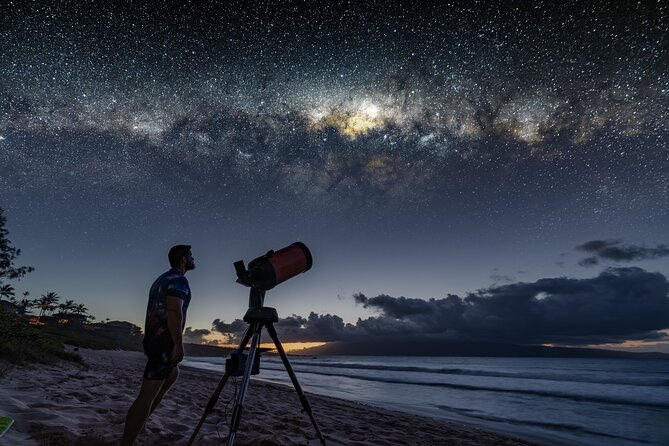
The experience begins at Stargaze West Maui, at 12 Kapalua Pl in Lahaina. You arrange your own transportation to the meeting point. There is no hotel pickup, food, or drink included, and paid parking is also separate, so plan your evening around getting there on your own.
From the meeting point, the group walks a short distance toward the beach. That small change matters. The darker the surroundings, the more stars your eyes can pick out before the telescope even comes into play.
The beach setting also gives the tour a relaxed feel. You sit on a large sandmat rather than standing for the whole hour. It is a simple touch, but it helps, especially when you are looking upward for several minutes at a time.
You should expect uneven stairs and limited lighting on the way to the viewing area. This is not a good fit if a knee injury, recent knee surgery, or another walking limitation makes that kind of route difficult. Service animals are allowed, but children under six cannot join the tour.
More Stargazing Tours around the USA:
- Small Group Big Island Twilight Volcano and Stargazing Tour
★ 5.0 · 1,619 reviews - Griffith Observatory Hike: Guided Tour through Griffith Park
★ 5.0 · 1,020 reviews - Sedona Stargazing Tours LLC
★ 4.5 · 881 reviews
Christian’s sky tour, from stars to galaxies
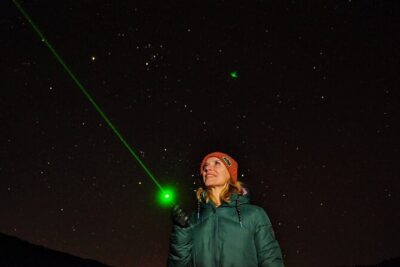
Christian leads the session with a mix of explanation and practical viewing. He uses a laser pointer to show constellations and direct your attention to particular parts of the sky. That is useful for beginners, since a dark sky can look like a mass of scattered points at first.
The talk covers planets, stars, star clusters, nebulae, and galaxies. You also learn some of the science behind how stars and planets form and behave. Christian’s approach, as reflected in the way the session is described, is conversational rather than a long classroom lecture.
I like this format for a first night in Maui. You do not need to know the names of constellations before you arrive. The guide gives you enough background to understand what you are seeing, then lets the telescope provide the memorable moments.
The session is suitable for several levels of interest. A child who is fascinated by space can enjoy the visual side, while an adult who wants a basic explanation of galaxies or planetary formation can follow along without a technical background.
The Schmidt-Cassegrain telescope is the main attraction
The telescope is a Schmidt-Cassegrain model, a powerful type of instrument used for clear, close views of distant objects. The biggest difference from ordinary beach stargazing is scale. With the naked eye, Saturn is a bright point. Through the telescope, you may see its rings.
Saturn has been a highlight of this experience, and it is easy to understand why. Seeing the rings directly can turn an abstract astronomy lesson into a moment you remember long after the trip.
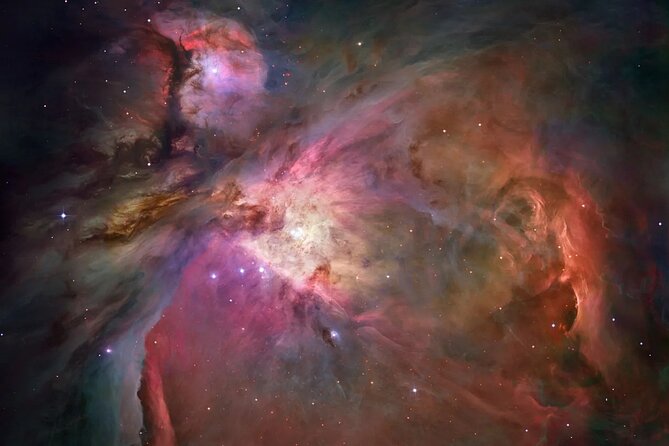
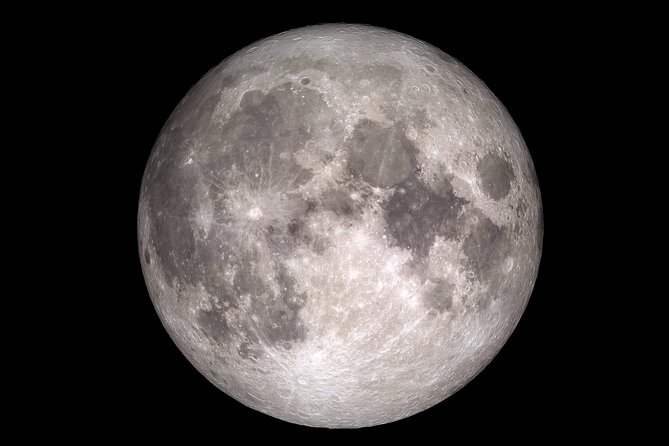
The Moon and planets are likely to be the easiest objects to appreciate through the telescope, but the session can also include stars, clusters, nebulae, and galaxies. Exactly what you see depends on the date, the visible sky, and the weather.
Your time at the eyepiece is shared with the rest of the group. A one-hour session with up to 12 people cannot give everyone unlimited viewing time. You may see around five different telescope views, but the pace depends on group size and how long each object takes to explain.
That is the tradeoff. A small group gives you more personal attention than a large coach-style activity, but it is not a private observatory session. If you want long, repeated looks through the telescope, a private booking would be worth asking about, though no private option is specified here.
Hawaiian sky traditions, with realistic expectations
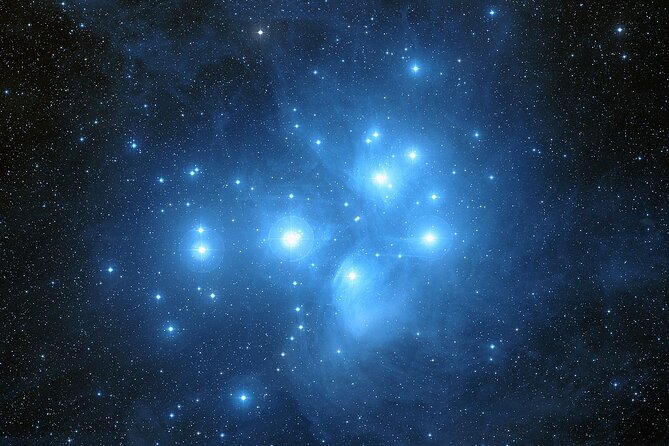
The tour includes an introduction to Hawaiian celestial traditions and the history and mythology connected with the night sky. That adds a sense of place that a generic astronomy talk would lack.
Still, you should set your expectations correctly. The cultural material may not go as far as a visitor hoping for a detailed lesson on Native Hawaiian and Polynesian navigation, traditional constellations, or wayfinding methods. The main focus is astronomy, with cultural context included rather than a full cultural program.
I see that as a useful distinction when deciding how to spend your evening. If your priority is seeing Saturn, learning how stars and galaxies work, and understanding the sky above Maui, this tour fits well. If your main goal is traditional Pacific navigation, look for a separate cultural or canoe-based program that focuses directly on that subject.
Same stars, another vantage point:
- Los Angeles: Hollywood Night Tour with Griffith Observatory
★ 4.2 · 531 reviews - Miami: Frost Museum of Science and Planetarium Entry Ticket
★ 4.5 · 429 reviews - Griffith Observatory Insider Tour
★ 4.5 · 306 reviews - LA: Griffith Observatory Insider Tour
★ 4.5 · 287 reviews
Why the one-hour length works
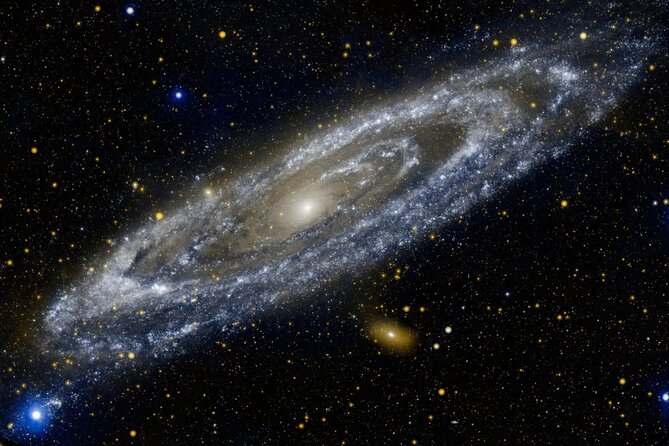
One hour is short enough to fit after dinner or alongside a busy West Maui schedule. You are not committing an entire evening to astronomy, and the tour ends back at the meeting point.
The brief format also keeps the session accessible. You get a clear introduction, several telescope views, and time to ask questions without needing advanced interest in the subject.
There is a downside. The sky changes slowly, and one hour limits how many objects Christian can show you. Telescope time is shared, and a cloudy evening can make the session feel even shorter.
I would think of this as a focused introduction rather than a full night at an observatory. It gives you a taste of the night sky with a guide who can explain what you are seeing.
Weather is the big variable
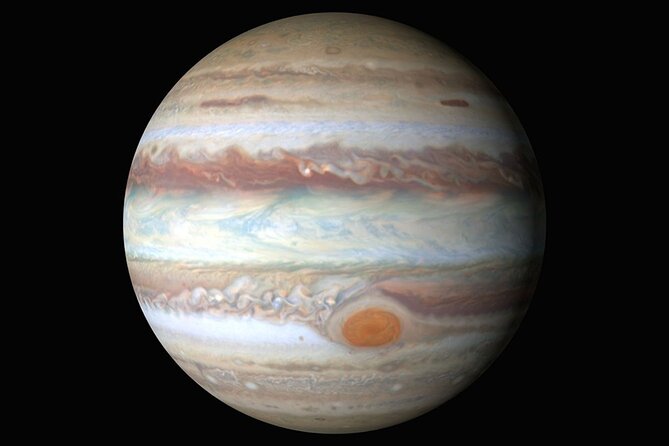
Good weather is required, and the operator may cancel for poor conditions. If that happens, you can choose a different date or receive a full refund.
Clouds do not always mean a total loss. A partly cloudy night can still reveal the Moon, a planet, or a few bright stars. But it can also limit the number of objects visible and make the telescope portion less satisfying.
One important practical point is consistency. If the tour is canceled for cloud cover and then rescheduled under similar conditions, you may reasonably wonder how much of the planned program will be possible. Ask about the forecast and the likely viewing conditions if clouds are already moving in.
You also need to dress for sitting outdoors at night. Inclement weather gear is not included, so bring what you need for the conditions. The tour does not supply food or drinks, and public bathrooms are not included, so handle those needs before you begin.
Is $96 a fair price?
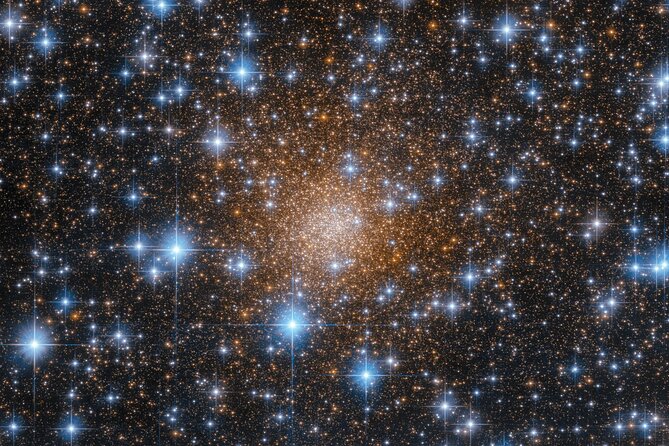
At $96 per person, this is not a cheap add-on to a Maui holiday. The value comes from the equipment, the guide, the small group limit, and the convenience of a short evening program rather than from the length alone.
The price makes the most sense if you value expert explanation and want to see objects through a serious telescope. A dark beach and your own eyes are free, but identifying constellations and finding planets without help can be difficult. The guide turns a general view of the stars into a structured experience.
The value is weaker if you mainly want to lie on the beach and look upward. It is also less compelling on a cloudy night, when the telescope cannot show its full range.
The maximum group size of 12 is a positive factor. You should have a better chance to hear the explanations and reach the telescope than you would in a large group. Still, remember that the eyepiece is shared, so the price buys guided access rather than unlimited telescope time.
Who will enjoy this most?
I would recommend it for families with children age six and older, couples looking for a calm evening activity, and anyone who wants a first introduction to astronomy. It also suits people who like a guide to explain the science behind what they see.
Space fans should be happy, especially if seeing Saturn is high on your list. The telescope and laser pointer give the night a clear focus, and the beach setting makes the session feel different from a standard indoor presentation.
It may not suit someone with limited mobility because of uneven stairs, low light, and the short walk to the beach. It also may disappoint anyone expecting a long cultural lecture on Hawaiian and Polynesian navigation.
The tour works best when you arrive curious but not overly specific about what must appear in the sky. Astronomy depends on the season, the time, and the weather. Christian can guide you through the available sights, but no operator can promise a particular planet or galaxy on every date.
Practical details before you book
The experience lasts about one hour and begins and ends at 12 Kapalua Pl, Lahaina, Hawaii. You need to arrange your own transport, and any paid parking cost is separate.
Confirmation is provided when you book. The activity is offered in English and uses a mobile ticket.
The tour accepts up to 12 people. You sit on a large sandmat, so comfortable clothing for an outdoor beach setting is sensible. Since food, drinks, public bathrooms, and weather gear are not included, take care of those basics before meeting the group.
Free cancellation is available if you cancel at least 24 hours before the start time. Cancellations within 24 hours are not refunded, and changes in that period are not accepted. The cut-off follows local Maui time.
Should you book the Kapalua stargazing tour?
I would book this if you want a short, guided look at the Maui night sky, especially if Saturn, planets, and basic astronomy sound more appealing than a long cultural program. The dark beach, small group, and strong telescope give the experience real value.
I would hesitate if clouds are forecast, if walking over uneven stairs is a concern, or if your main interest is detailed Hawaiian and Polynesian navigation. For everyone else, this is a peaceful way to spend an hour and one of the better evening choices for adding a little science to a Maui itinerary.
FAQ
Where does the stargazing tour begin?
It begins at Stargaze West Maui, 12 Kapalua Pl, Lahaina, HI 96761, USA.
Where does the activity end?
The tour ends back at the meeting point.
How long does the tour last?
The experience lasts approximately one hour.
How much does the tour cost?
The listed price is $96 per person.
What equipment is used during the tour?
The guide uses a Schmidt-Cassegrain telescope and a laser pointer. The session also includes naked-eye viewing.
What might I see through the telescope?
The tour can include planets, stars, star clusters, nebulae, and galaxies. Saturn, including its rings, has been a notable sight during the experience.
Is the tour suitable for beginners?
Yes. The tour is designed for all levels of astronomy knowledge and includes explanations of basic cosmic science.
Is the tour accessible for people with walking limitations?
No. The route includes uneven stairs and limited lighting, so it is not suitable for people whose walking limitations make that route difficult.
What happens if the weather is poor?
The activity may be canceled because of poor weather. You will be offered another date or a full refund.
Just in after dark around the USA
- Seattle: Hop-on Hop-off Bus Tour and Sky View Observatory★ 4.4 · 16 reviews
- Boulder: Guided Astronomy Tour★ 4.7 · 11 reviews
- 1-Day Grand Canyon Tour from Las Vegas: Stargazing & Sunrise★ 3.6 · 3 reviews
- Griffith Observatory: Scott E-Bike Tours LA Private Tour★ 5.0 · 32 reviews
- Private Tour of Griffith Observatory★ 4.5 · 58 reviews
- Milky Way Photography in Arches National Park★ 4.0 · 4 reviews
- Milky Way Photography Workshop in Acadia National Park★ 5.0 · 8 reviews
- Professional Stargazing in Moab★ 3.5 · 3 reviews
Stargazing Tours, night against night.

Dubai Red Dunes ATV, Camels, Stargazing & 5* BBQ Al Khayma Camp
Read our review →
Teide National Park Sunset & Stargazing with Dinner (Star Safari)
Read our review →
Sunset Camel Trek, Al Khayma Camp, Stargazing & BBQ
Read our review →
Overnight Safari, Dinner, Stargazing & Al Khayma Camp
Read our review →
Dubai Overnight Desert Safari, BBQ & Stargazing at Al Khayma Camp
Read our review →
Sunset Quad Bike, Camel w/ Opt Stargazing and BBQ
Read our review →Lists this night appears in