
Review · JASPER
Jasper: Jasper Planetarium and Telescope Combo Tour Tickets
The best part of this Jasper experience is the combination of a planetarium journey through the universe and a real telescope session under the Rockies sky. You may see Saturn, Jupiter, star clusters, nebulae, or other distant objects, then handle actual meteorites, Moon rock, and Mars rock.
I like the clear weather backup and the enthusiastic astronomy guides. If clouds block the sky, you still get an interactive program with 4K views captured by the telescope, and the two-year telescope rain check gives you a useful second chance. The drawback is simple: the outside portion can be cold, wet, or limited by cloud and daylight.
Key points to know
- First Nations constellations come before the telescope session: The planetarium show connects the sky above Jasper with local Indigenous star knowledge.
- Real rocks from space are part of the program: You can touch meteorites, a Moon rock, and a Mars rock.
- Clear skies can bring views of Saturn, Jupiter, clusters, and nebulae: What you see depends on the season and weather.
- Cloudy nights still have a planned program: Guides explain auroras and show 4K captures of deep-space objects.
- The sunset time matters: Choose a start time after sunset for the best chance of seeing a truly dark sky.
- You must arrive 15 minutes early: Check in at the Planetarium Retail Desk inside Jasper Park Lodge, and late arrival can mean rebooking.
A two-part night under Jasper’s dark sky
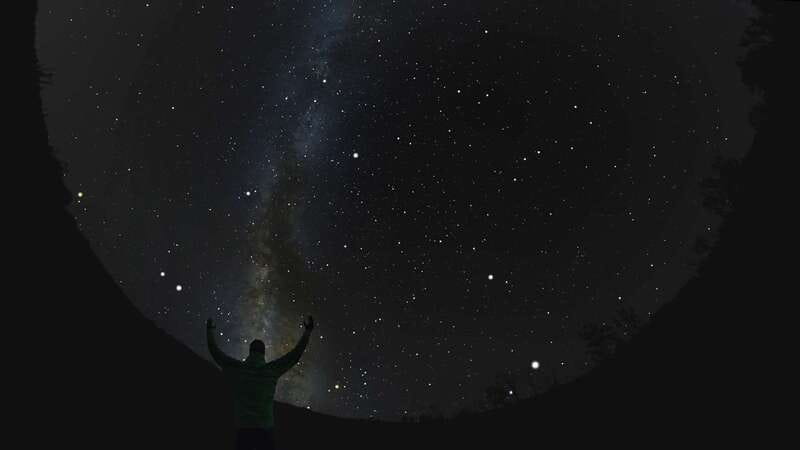
This is not just a planetarium show, and it is not only a telescope viewing. The 90-minute format gives you both: a seated presentation inside, followed by an outdoor look at the equipment and the sky.
That mix makes the tour useful for first-time stargazers. You get enough explanation to understand what you are seeing, but you also have a chance to look through serious optical instruments rather than only watch a screen.
The experience takes place at Jasper Park Lodge, not in downtown Jasper. You check in at the Planetarium Retail Desk inside the Main Lodge. Enter through the doors opposite the P1 parking lot, marked Shops and Spa. The desk is in the southwest corner of the lobby, across from the Emerald Lounge, and staff ask you to arrive 15 minutes before departure.
That early arrival matters. Latecomers are not admitted once the tour is under way because entering the planetarium and telescope program can interrupt the group. A late arrival may be moved to the next available tour, which could be on another day.
More Planetarium Visits in the world:
- Miami: Frost Museum of Science and Planetarium Entry Ticket
★ 4.5 · 429 reviews - Planetarium and Telescope Combo Tour
★ 4.0 · 144 reviews - Houston Museum of Natural Sciences: Planetarium Ticket
★ 4.5 · 139 reviews
Inside the dome: from First Nations skies to the edge of space
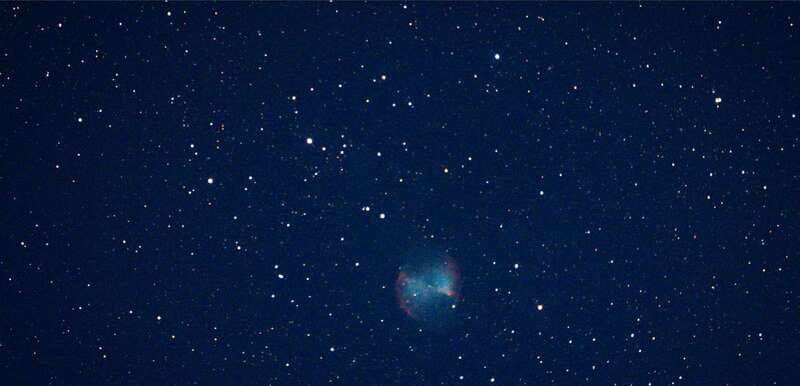
The planetarium section is the most reliable part of the evening because it does not depend on cloud, rain, or darkness. Inside the dome theatre, the program moves from local First Nations constellations to the Milky Way and then outward toward the edge of the known universe.
For you, the value is context. A bright point in a telescope can look like a tiny speck unless you know what it is and why it matters. The dome helps build that picture before you step outside.
The show is designed for a broad age range, and the guides leave time for questions. Their energy is one of the strongest features of the experience. They explain astronomy in a friendly, approachable way rather than assuming you already know the difference between a planet, star cluster, and nebula.
The planetarium is not perfect. One part of the presentation may use music, and it can sometimes be hard to hear the speaker over the soundtrack. The show has also been described as more basic than the telescope equipment itself, so serious amateur astronomers may want more technical detail.
Still, this first section works well for families and mixed groups. A child can follow the large visual story, while an adult can ask about auroras, photography, or the science behind the objects shown on the dome.
Children under four are not permitted inside the Planetarium Dome Theatre. Unaccompanied minors are also not allowed, so plan this as a family activity with an adult present.
Outside with some of the Rockies’ strongest telescopes
After the dome presentation, the group goes outside for a guided look at the telescopes. The tour describes these as the largest and most powerful telescopes in the Rockies, and the equipment is a major reason to book this experience.
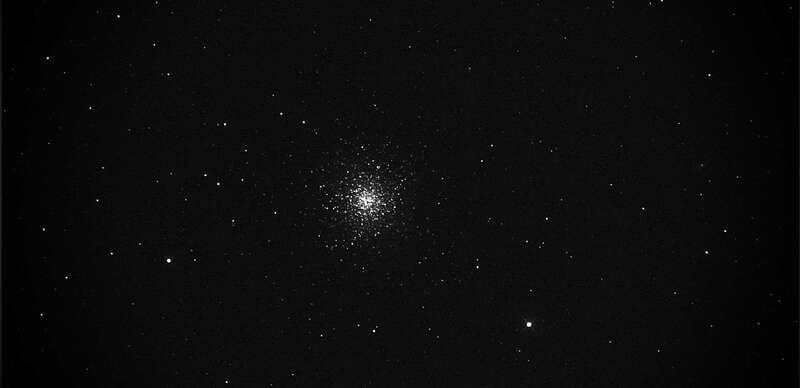
The guides explain how the instruments work and, when conditions allow, direct you to objects in the night sky. You may look at planets, nebulae, star clusters, and other deep-space targets. Past clear sessions have included Saturn and Jupiter, along with star clusters that can be difficult to make out with the naked eye.
The exact viewing list is never guaranteed. Astronomy changes with the date, and clouds can shut down the view entirely. Even on a clear night, the time of sunset affects how dark the sky will be. When choosing a departure time, check Jasper’s sunset for your date and select a start time after sunset if possible.
This is one reason the tour can feel different from one visit to the next. A summer evening may leave you with less darkness, while a winter session can bring a darker sky but much colder conditions. The experience provider advises thermal layers during winter, and that advice is worth taking seriously.
Bring weather-appropriate clothing for every season. A clear forecast does not make an outdoor telescope session warm, and a damp evening can make the viewing area uncomfortable. One visitor enjoyed the planetarium but found the telescope part cold, while another had a disappointing wet night even though the indoor show remained strong.
What happens when the sky refuses to cooperate
Cloud is not treated as a surprise or an excuse to end the tour. If the telescopes cannot show live objects, the guides continue with a cloudy-day program.
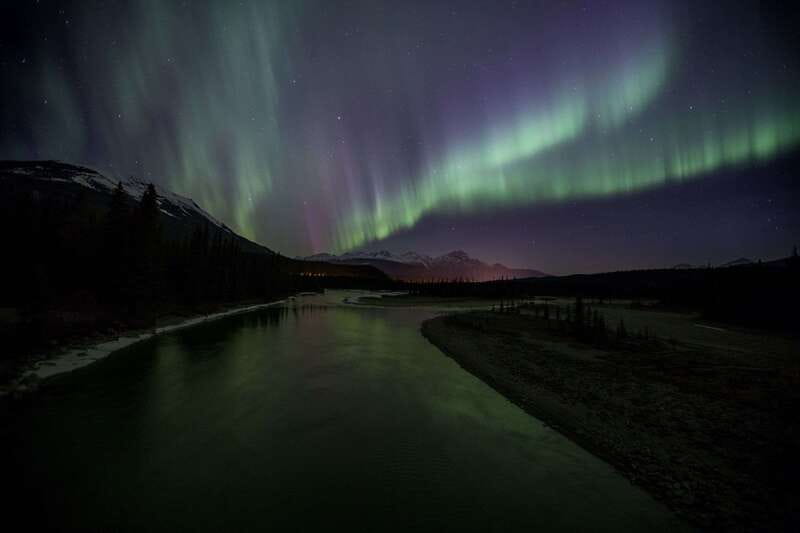
That program includes two pavilions covering the science of the Northern Lights. You learn how auroras form, why they appear in different colors, and how to photograph them. The information is useful if you hope to see the Aurora Borealis during your time in Jasper, though this tour does not promise an aurora sighting.
You also get to handle real meteorites, a Moon rock, and a Mars rock. This is one of the most unusual hands-on parts of the evening. Looking at a digital image of Mars is one thing; holding a piece of material connected to Mars gives the subject a physical edge.
If the sky remains too cloudy, the guides show screen captures of deep-space objects recorded with their own video telescope. The tour describes these as 4K instant replays of earlier live views. You lose the thrill of seeing a planet at that exact moment, but you still see what the equipment can produce.
The cloudy-day program explains why refunds are not offered simply because clouds appear. You receive the full indoor and backup presentation, plus a two-year rain check for the telescope tour. You can return and try the telescope portion again on a clearer day at no added cost.
That policy is valuable only if you will be in Jasper again or can realistically return within two years. If this is your only visit to the Canadian Rockies, treat the rain check as a bonus rather than a guarantee that you can use.
More Telescope Stargazing in the world:
- Teide by Night: Sunset & Stargazing with Telescopes Experience
★ 4.5 · 1,492 reviews - Uluru: National Park Astronomy Tour with Telescope and Photo
★ 4.4 · 357 reviews - Teide National Park: Guided Large Telescope Stargazing Tour
★ 4.9 · 319 reviews - Levi: Northern Lights Tour and Stargazing by Telescope
★ 4.6 · 183 reviews
Meteorites, auroras, and questions worth asking
The question-and-answer time is a real part of the tour, not just a closing formality. You can ask about the objects shown, the Northern Lights, telescope technology, or photographing auroras.
The guides are consistently praised for their enthusiasm and ability to answer questions. Several sessions have remained enjoyable even with heavy cloud because the staff kept the program active and informative.
I especially like that the tour connects three kinds of learning:
- Local sky knowledge: First Nations constellations and the meaning attached to the sky above the Rockies.
- Modern astronomy: The Milky Way, planets, nebulae, and the far edge of the universe.
- Physical science: Meteorites and samples linked to the Moon and Mars.
That range keeps the evening from feeling like a simple equipment demonstration. You are learning how people interpret the sky, how scientists study it, and how large objects from space can reach Earth.
Photography rules are strict. Flash photography, photography inside, and audio recording are not allowed. Smoking, vaping, alcohol, drugs, and intoxication are also prohibited. If you want to photograph auroras outside the tour, use the guide’s advice about technique, but do not expect to record the indoor presentation.
How much value do you get for $61?
At $61 per person, this is a moderate-cost evening activity in Jasper. The value depends heavily on what you want from it.
If you are paying mainly for guaranteed telescope views, the price can feel uncertain. Weather may block the live viewing, and the outdoor session can be cold. The backup material is useful, but it cannot fully replace the excitement of seeing Saturn or a nebula through the telescope yourself.
If you see the ticket as a 90-minute astronomy program with a planetarium show, live guide, hands-on meteorites, aurora instruction, telescope access, and a two-year rain check, the price is easier to justify. Free parking also helps, especially because the tour is at Jasper Park Lodge and not in the center of town.
The strongest value comes on a clear night after sunset. The weakest value comes when the sky is cloudy, the indoor show is hard to hear, and the telescope program repeats material already covered in the dome. That repetition has happened for some participants, so your expectations should stay realistic.
For families, couples, and adults curious about astronomy, the activity offers more variety than a simple night-sky lookout. For experienced stargazers who already own equipment, the educational material may be more important than the equipment itself.
Timing, parking, and practical planning
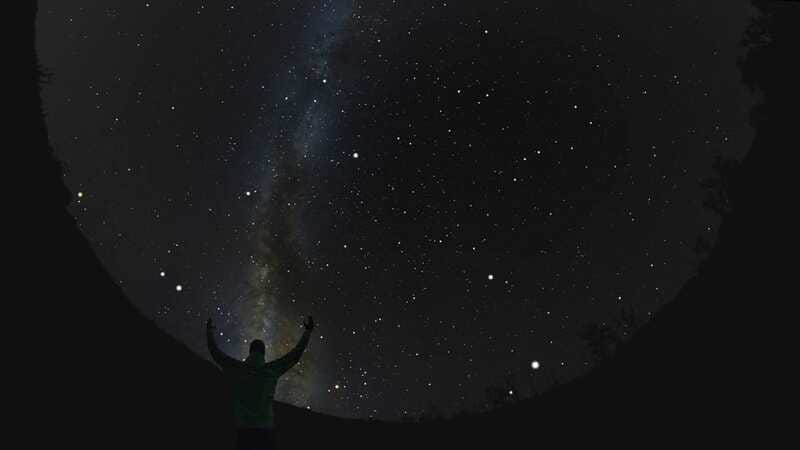
You can park at Jasper Park Lodge in available spaces at P2, P3, or P4. P2 is closest to the planetarium. The required check-in desk is inside the Main Lodge, and you should allow enough time to park, walk inside, and find the retail desk before the 15-minute check-in deadline.
The tour is wheelchair accessible. Food and drinks are not included, so eat beforehand or plan around the activity. The experience is conducted in English.
Choose your time carefully. The booking calendar may show several departure options, but the best choice is tied to sunset on your date. A time after sunset gives the telescopes a better chance of showing night-sky objects. In summer, darkness arrives late, and a session scheduled too early may not feel like a full stargazing evening.
Weather preparation matters just as much. Wear layers, bring warm clothing in winter, and expect conditions to change quickly in the Canadian Rockies. You do not need special astronomy equipment, but you do need to be comfortable standing outside.
Cancellation is free up to 24 hours before departure. Within 24 hours, you do not receive a refund, though you may change to another time. Since late arrival can also lead to rebooking on another day, leave a generous margin for driving and parking.
Who will enjoy this Jasper astronomy tour?
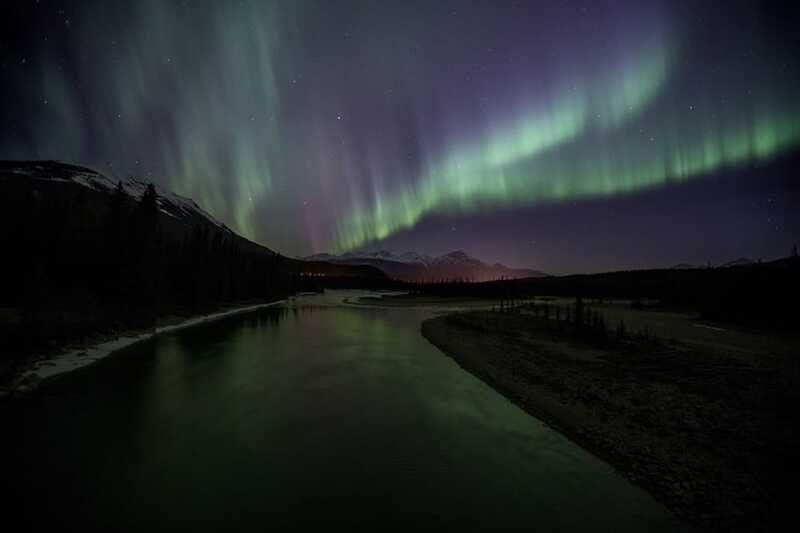
I would recommend it most strongly to anyone who wants an introduction to astronomy without needing prior knowledge. The planetarium makes the subject easy to follow, and the guides give you room to ask questions.
It also suits families with children over four. The meteorites and large dome visuals give younger participants something concrete to focus on, while the telescope portion adds a sense of occasion. Remember that an adult must accompany minors.
It is a good choice for visitors who want to understand the Aurora Borealis, even if the Northern Lights do not appear during the tour. The photography advice and aurora science can help you make better use of the rest of your time in Jasper.
You should think twice if you dislike cold outdoor activities or have only one free evening and need a guaranteed clear-sky experience. You might also prefer a different activity if you want a quiet, highly technical astronomy lecture. This program is lively and accessible, with a mix of indoor teaching and outdoor viewing.
Should you book it?
Book the Jasper Planetarium and Telescope Combo Tour if you want a friendly, all-ages introduction to the night sky and you accept that weather controls the outdoor portion. The strongest reasons are the excellent guides, the First Nations constellation content, the chance to see planets through serious telescopes, and the rare opportunity to touch Moon and Mars rocks.
Pick a departure after sunset, arrive 15 minutes early, and bring warm layers. If clouds appear, you still receive a full program and can use the two-year telescope rain check. Just do not buy this expecting a guaranteed view of Jupiter, Saturn, or the Northern Lights. Buy it for a well-planned astronomy evening that can still work when Jasper’s sky does not.
FAQ
How long does the Jasper Planetarium and Telescope Combo Tour last?
The experience lasts 90 minutes, or one and a half hours.
How much does the tour cost?
The listed price is $61 per person.
Where do I check in?
Check in at the Planetarium Retail Desk inside the Main Lodge at Jasper Park Lodge. The desk is in the southwest corner of the lobby, across from the Emerald Lounge. You can also enter through the doors opposite the P1 parking lot marked Shops and Spa.
How early should I arrive?
You must check in 15 minutes before the tour begins. Latecomers are not admitted and may be rebooked to the next available tour, possibly on another day.
What happens if it is cloudy?
The guides run a cloudy-day program with aurora science, access to real Moon and Mars rocks, and 4K screen captures of deep-space objects recorded with their video telescope.
Is there a rain check?
Yes. The telescope tour includes a two-year rain check, allowing you to return and try the telescope session again on a clearer day at no additional charge.
Can I see the Northern Lights?
The tour explains the science behind the Aurora Borealis and how to photograph auroras, but an aurora sighting is not guaranteed.
Are children allowed?
Children are allowed, but those under four cannot enter the Planetarium Dome Theatre. Unaccompanied minors are not permitted.
What should I wear?
Wear clothing suited to the weather. Thermal layers may be needed during winter because part of the experience takes place outside.
Just in after dark around the world
- Doha: Night Desert Safari, Stargazing, and Camel Ride★ 5.0 · 2 reviews
- Doha : Night Desert Safari with Dune Bashing & Stargazing★ 5.0 · 4 reviews
- Doha: Night Desert Safari + Camel ride + Stargazing & Relax★ 5.0 · 4 reviews
- Day Trip to Tatacoa Desert (Horseback, Boat, Stargazing, ..)★ 4.4 · 3 reviews
- Christchurch: Lake Tekapo Stargazing & Mount Cook 2-Day Tour★ 5.0 · 6 reviews
- Cabo de Gata: Stargazing Experience★ 4.5 · 7 reviews
- Chile: Astronomical Tour in the Atacama Desert★ 4.8 · 4 reviews
- Cabo de Gata: Guided Night Walk with Stargazing★ 4.7 · 36 reviews
Planetarium Visits, night against night.
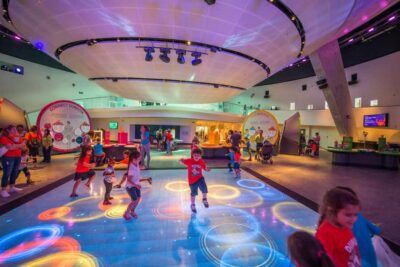
Miami: Frost Museum of Science and Planetarium Entry Ticket
Read our review →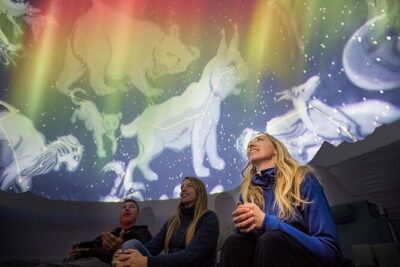
Houston Museum of Natural Sciences: Planetarium Ticket
Read our review →

Cusco by Night: Planetarium Cusco, Dinner, and Pisco Sour
Read our review →
Planetarium Cusco OFFICIAL SITE: Andean Astronomy experience
Read our review →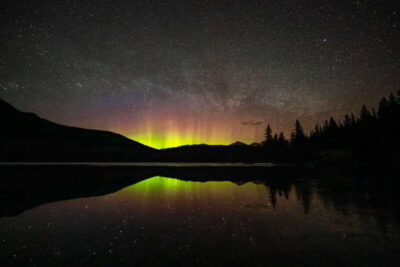
Planetarium and Night Tour with Dinner and Pisco Sour
Read our review →Lists this night appears in