
Review · JASPER
Jasper: Planetarium Indoor Dome Experience
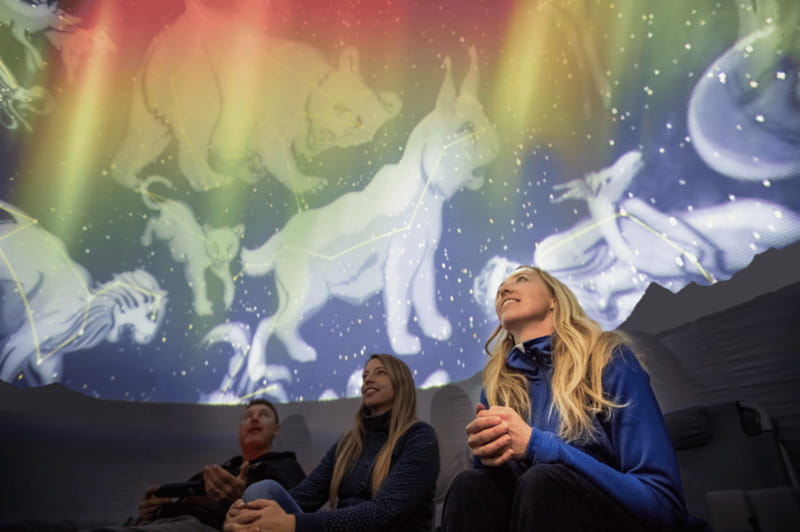
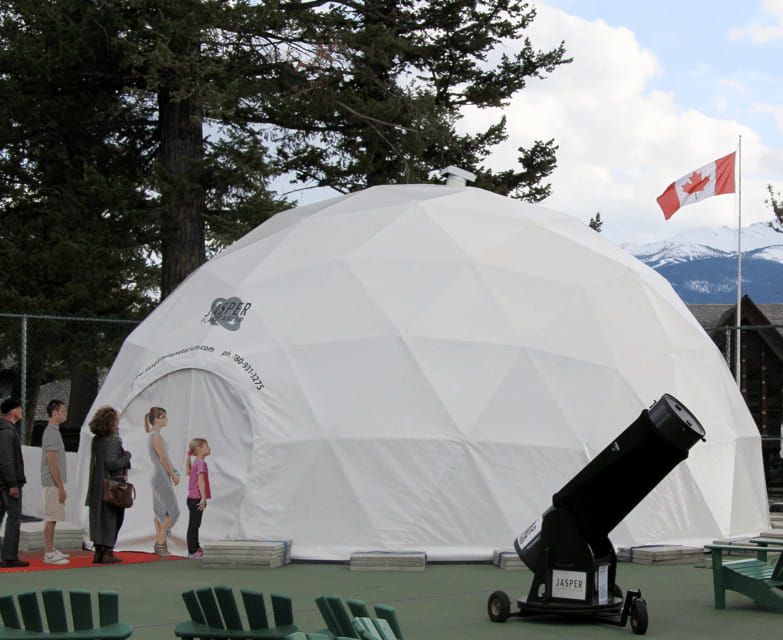
Jasper’s Planetarium turns a night under the stars into a guided trip through space, from Indigenous constellations and the Aurora Borealis to glaciers seen from orbit and the edge of the known universe. You sit inside a 42-seat dome theatre at Fairmont Jasper Park Lodge, so cloudy weather will not spoil the view.
I like the mix of local Jasper stories and big-universe science, and I like that the guide stays available for questions after the show. The main drawback is value: at $34 per person, the 35-minute presentation needs to hold your attention, and some people may find its tone too simple.
Key points to know
- A 35-minute indoor space journey: You move from Jasper’s night sky to distant planets, nebulas, star clusters, and the limits of the known universe.
- Aurora views without waiting for the forecast: The dome presents the Northern Lights over Jasper National Park, even when outdoor conditions are poor.
- Local Indigenous astronomy: The program includes constellations and sky knowledge connected to Indigenous traditions.
- A small 42-seat theatre: A quieter visit with fewer people can allow more time for questions and conversation.
- Arrive 15 minutes early: Check in at the Planetarium Retail Desk inside the Main Lodge, with P2 the closest parking lot.
- A mixed value proposition: The visuals and guide can be excellent, but the short running time will not suit everyone at $34.
Inside Jasper’s 42-seat dome theatre
Your visit begins at the Main Lodge of Fairmont Jasper Park Lodge. Once inside, walk straight past the front desk to the Planetarium Retail Desk in the southwest corner of the lobby, directly across from the Emerald Lounge.
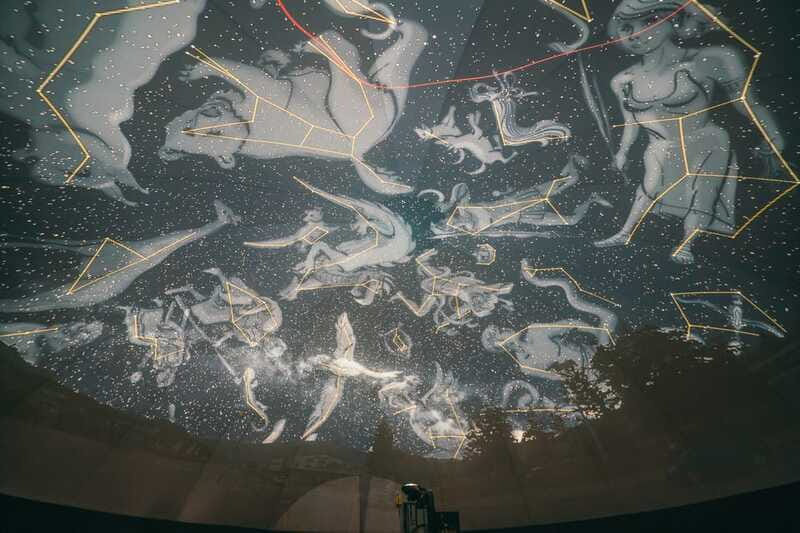
From there, you enter the nearby dome theatre. The setting is climate-controlled, which matters in Jasper. You can enjoy a simulated night sky without bundling up, waiting for darkness, or worrying about clouds, smoke, or a disappointing Aurora forecast.
The theatre holds 42 people. That is small enough to feel more personal than a large commercial cinema, though the mood will depend on how full your particular departure is. A lightly attended presentation can give you a better chance to ask questions and speak with the guide afterward.
You need to check in 15 minutes before departure. Do not cut this close. Late arrivals are not admitted because opening the door disrupts the presentation. If you miss the start, you may be moved to the next available time, which could be on another day.
More Planetarium Visits in the world:
- Miami: Frost Museum of Science and Planetarium Entry Ticket
★ 4.5 · 429 reviews - Planetarium and Telescope Combo Tour
★ 4.0 · 144 reviews - Houston Museum of Natural Sciences: Planetarium Ticket
★ 4.5 · 139 reviews
From Indigenous constellations to the Northern Lights
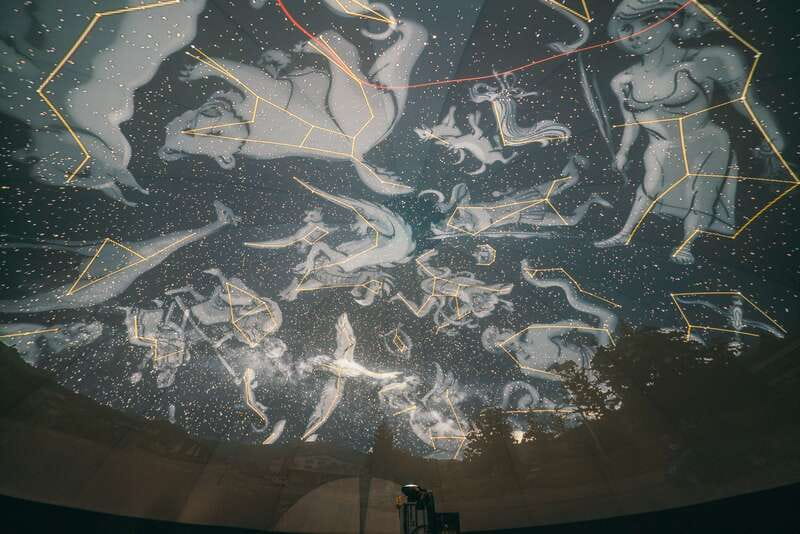
The program begins close to home, with the night sky above Jasper and local Indigenous constellations. This part gives the show a stronger sense of place than a standard planetarium lesson. You are not simply looking at anonymous stars. You are learning how people connected to this region have understood and named patterns in the sky.
The presentation then turns toward the Northern Lights. You see the Aurora Borealis over the peaks of Jasper National Park, with the dome giving the image a wide, wraparound feel. This is not the same as standing outside in the cold and watching real light move across the sky, but it does offer a reliable introduction to the phenomenon.
That reliability is useful. Jasper is famous for its dark skies, yet clear conditions, timing, moonlight, clouds, and Aurora activity are never guaranteed. The indoor show lets you see the subject even when the real sky is quiet.
The local connection is one of the program’s best features. It gives the presentation an identity beyond a collection of pretty space images. I would pay close attention here, especially if you have already spent time hiking or sightseeing around Jasper and want a better sense of how the sky fits into the place.
A fast trip from Rocky Mountain glaciers to deep space
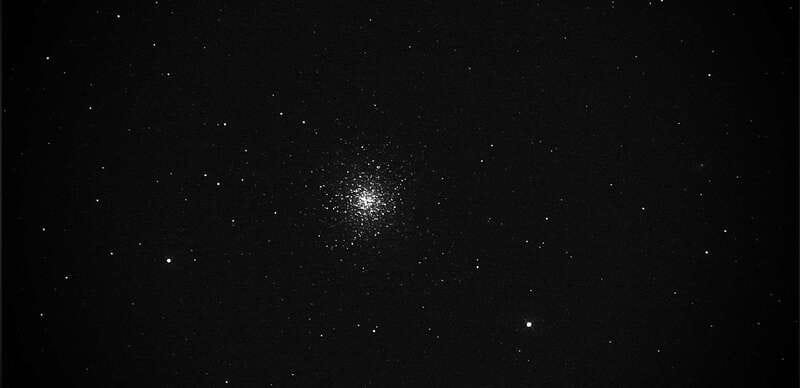
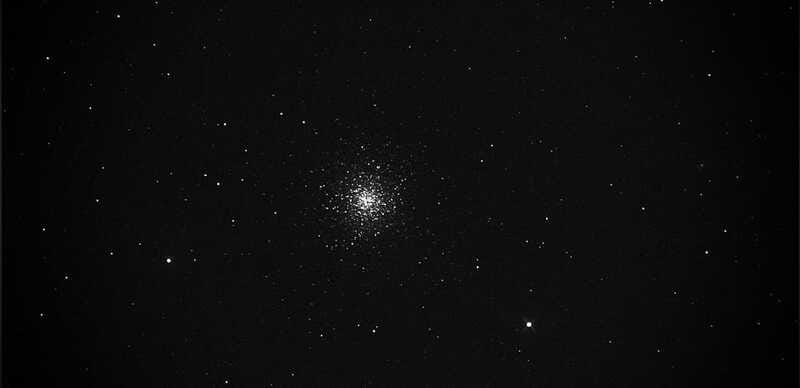
After the local material, the show expands outward. You see views of Rocky Mountain glaciers from space, then move toward planets, nebulas, and distant star clusters.
That change in scale is the heart of the experience. Jasper’s peaks and glaciers are already enormous from the ground. Seeing them from above provides a fresh perspective before the program sends you much farther away, toward objects that are difficult to imagine from a normal stargazing session.
The dome format helps with that sense of distance. A flat screen can show space clearly, but a curved ceiling gives the presentation more room to suggest motion and scale. You may find the shift from familiar mountains to remote star clusters especially effective because the program starts with a place you can recognize.
The show eventually reaches the edge of the universe as we know it before returning to Earth. The broad subject means the presentation cannot explore every topic in detail. Instead, it gives you a brisk tour of major ideas, with the guide helping connect the images and explain what you are seeing.
That pace will suit you if you want an accessible introduction to astronomy. If you already know a great deal about cosmology, you may find the material basic, particularly since the entire experience lasts only 35 minutes.
The guide makes the difference
This is more than a silent projection. An English-speaking astronomy guide narrates the program and answers questions after the return to Earth.
The strongest response in the available feedback praised the narrator’s clear public speaking, sense of humor, and command of the subject. That combination matters in a short show. A guide who explains the images well can turn a sequence of attractive views into a story with a beginning, middle, and end.
I also like the question period. You can ask about the Aurora, local constellations, planets, or anything else raised during the presentation. With a small audience, this can feel like a brief conversation rather than a formal lecture.
The quality may vary with the individual guide and the size of the group. A nearly full theatre may leave less room for extended questions, while a quiet departure can provide a more personal visit. One lightly attended evening gave the guide plenty of opportunity to interact with the people present, which is the sort of situation that can make the $34 price feel more reasonable.
No guide names are provided for this experience, so you should not book expecting a particular presenter. The important point is that live narration and questions are part of the format.
More Stargazing Tours around the world:
- Dubai Red Dunes ATV, Camels, Stargazing & 5* BBQ Al Khayma Camp
★ 5.0 · 21,620 reviews - Sharm El-Sheikh: Ultimate ATV Quad, Stargazing & BBQ Dinner
★ 4.7 · 4,084 reviews - Tenerife: Teide National Park Sunset & Stargazing Tour
★ 4.2 · 3,812 reviews - Tenerife: Sunset and Stargazing at Teide National Park
★ 4.7 · 2,826 reviews
Is $34 fair for 35 minutes?
At $34 per person, the price is not a bargain if you measure it only by clock time. The program lasts 35 minutes, and that includes the full presentation rather than a longer evening activity.
I would judge the value by what you want from it. If you want a compact, weatherproof introduction to Jasper’s night sky, the cost is easier to justify. You receive a dome presentation, a live guide, and a question period in a distinctive setting. Parking is included, which also helps if you are driving to the lodge.
The price is harder to defend if you expect a long astronomy lecture, extensive technical detail, or an outdoor Aurora hunt. This is not a substitute for spending time beneath Jasper’s real dark sky, and it does not include any of the provider’s other tours, food, or drinks.
The mixed reaction makes sense. One person found the presentation amazing and worth the money, while another felt the tone was too much like a children’s show and did not justify the cost. Both reactions can be reasonable. The content is designed to be accessible, and that may feel welcoming to beginners or too simple for someone seeking advanced astronomy.
I would book it as a focused add-on to a Jasper visit, not as the main event of your trip. Families with older children, first-time stargazers, and adults who enjoy visual science presentations are likely to get the most from it.
Parking and the Main Lodge arrival
If you drive to Jasper Park Lodge, you can use any available space in parking lots P2, P3, or P4. P2 is the closest to the Jasper Planetarium, so try that lot first.
Parking may still take longer than expected. One January visitor nearly arrived late after having to park far from the lodge. The practical lesson is simple: allow extra time, especially during busy periods or when weather makes walking slower.
You must check in at the Planetarium Retail Desk inside the Main Lodge, not directly at the theatre. Walk past the front desk, then look for the desk in the southwest corner of the lobby, across from the Emerald Lounge.
Arriving early also gives you time to find the right place without rushing. Since late arrivals are refused entry, I would aim to reach the lodge at least 20 to 25 minutes before the start time, even though the stated check-in requirement is 15 minutes.
Who will enjoy this short astronomy show?
You are a good match for this experience if you enjoy a clear introduction rather than a technical seminar. The program covers a wide range of subjects in a short period, so you can see the Aurora, learn about Indigenous constellations, and travel outward through the universe without committing to a long evening.
It also works well when the weather is poor. Jasper is known for its dark skies, but outdoor stargazing depends on conditions. The dome gives you a dependable alternative during cloud, cold, or an uncooperative Aurora forecast.
Families should note that children under four are not admitted. Unaccompanied minors are also not allowed. The information does not give a recommended upper age or a detailed child policy, so adults should plan to attend with younger children.
The theatre is wheelchair accessible. You should still arrive early for check-in, since accessibility does not change the late-arrival rule.
I would be more cautious if you dislike narrated visual presentations or expect an adult-level science lecture. The show can feel light and child-friendly in tone. That is not automatically a flaw, but it is worth knowing before you pay.
Rules inside the dome
The Planetarium has strict rules designed to keep the theatre dark and the presentation quiet. You cannot bring food or drinks inside, and smoking and vaping are prohibited.
Pets are not allowed, although assistance dogs are permitted. You also cannot enter while intoxicated or bring alcohol or drugs.
Cellphones must be put away. Flash photography, photography inside the theatre, and audio recording are not allowed. These rules may feel firm, but they protect the dark setting and prevent interruptions during the projection.
Plan to enjoy the show without taking pictures. If you want a souvenir, use the Planetarium Retail Desk before or after the presentation rather than trying to record inside.
Booking flexibility and timing
You can cancel for a full refund up to 24 hours before your scheduled time. Within 24 hours, you will not receive a refund, but you may change your booking to another time.
A reserve-now-and-pay-later option is available. That can help if your Jasper schedule depends on weather, road conditions, or other activities, though you should still watch the cancellation deadline.
The experience runs at scheduled departure times, with availability varying by date. Since the visit is only 35 minutes, it can fit neatly between sightseeing plans. Leave enough space around it for the walk through the lodge, check-in, and any parking delay.
I would avoid booking it immediately before a fixed reservation elsewhere. Missing the start means no entry, and a replacement time may not be available until another day.
My verdict on the Jasper Planetarium
I like this as a short, place-specific introduction to the night sky. The best parts are the blend of Jasper’s mountains, the Aurora, and Indigenous constellations, plus the chance to ask a live astronomy guide questions afterward.
The experience is not for everyone. At $34, 35 minutes is a serious limitation, and the broad, accessible presentation may feel too simple if you want detailed astronomy. The dome also cannot reproduce the feeling of standing outdoors beneath Jasper’s actual stars.
I would book it if you have a free half-hour at Jasper Park Lodge, want a dependable indoor activity, or are visiting with children old enough to appreciate a guided space show. I would skip it if you are mainly hoping for real-time Northern Lights or a long, advanced lecture.
Arrive early, use P2 if possible, and treat the Planetarium as a compact supplement to Jasper’s outdoor dark-sky experience. With those expectations, the visuals and local focus can make the visit worthwhile.
FAQ
How long does the Jasper Planetarium experience last?
The presentation lasts 35 minutes.
Where do I check in?
Check in at the Planetarium Retail Desk inside the Main Lodge at Fairmont Jasper Park Lodge. Walk straight past the front desk to the southwest corner of the lobby, across from the Emerald Lounge.
How early should I arrive?
You must check in 15 minutes before the scheduled departure. Late arrivals are not admitted because they interrupt the presentation.
Is the Planetarium wheelchair accessible?
Yes, the Jasper Planetarium is wheelchair accessible.
Can children attend?
Children under four are not suitable for this experience. Unaccompanied minors are not allowed.
Can I cancel my booking?
You can cancel up to 24 hours in advance for a full refund. Within 24 hours, refunds are not available, but you may change to another available time.
Just in after dark around the world
- Doha: Night Desert Safari, Stargazing, and Camel Ride★ 5.0 · 2 reviews
- Doha : Night Desert Safari with Dune Bashing & Stargazing★ 5.0 · 4 reviews
- Doha: Night Desert Safari + Camel ride + Stargazing & Relax★ 5.0 · 4 reviews
- Day Trip to Tatacoa Desert (Horseback, Boat, Stargazing, ..)★ 4.4 · 3 reviews
- Christchurch: Lake Tekapo Stargazing & Mount Cook 2-Day Tour★ 5.0 · 6 reviews
- Cabo de Gata: Stargazing Experience★ 4.5 · 7 reviews
- Chile: Astronomical Tour in the Atacama Desert★ 4.8 · 4 reviews
- Cabo de Gata: Guided Night Walk with Stargazing★ 4.7 · 36 reviews
Planetarium Visits, night against night.
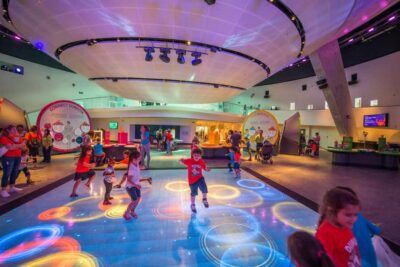
Miami: Frost Museum of Science and Planetarium Entry Ticket
Read our review →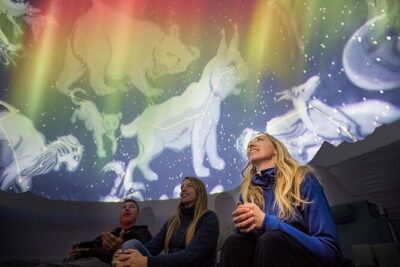
Houston Museum of Natural Sciences: Planetarium Ticket
Read our review →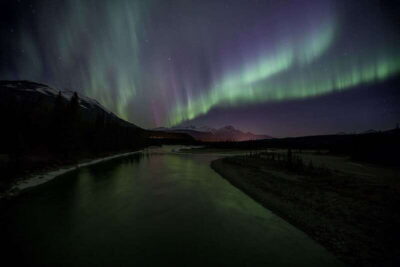
Jasper Planetarium and Telescope Combo Tour Tickets
Read our review →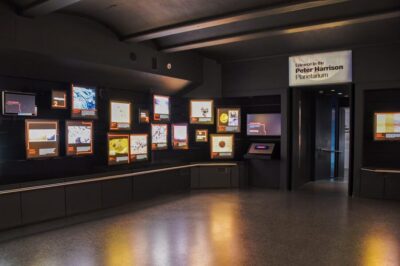

Cusco by Night: Planetarium Cusco, Dinner, and Pisco Sour
Read our review →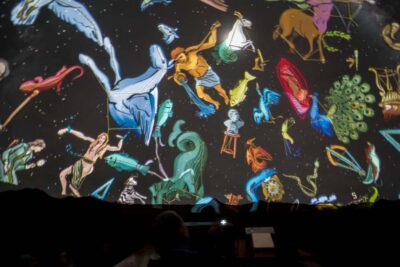
Planetarium Cusco OFFICIAL SITE: Andean Astronomy experience
Read our review →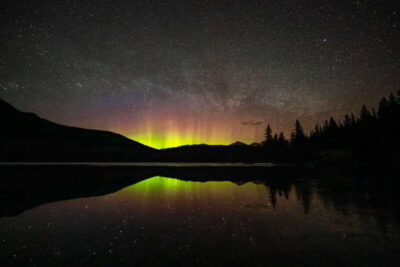
Lists this night appears in