
Review · SPAIN
Fuerteventura: Guided Stargazing Calderón Hondo Volcano Tour
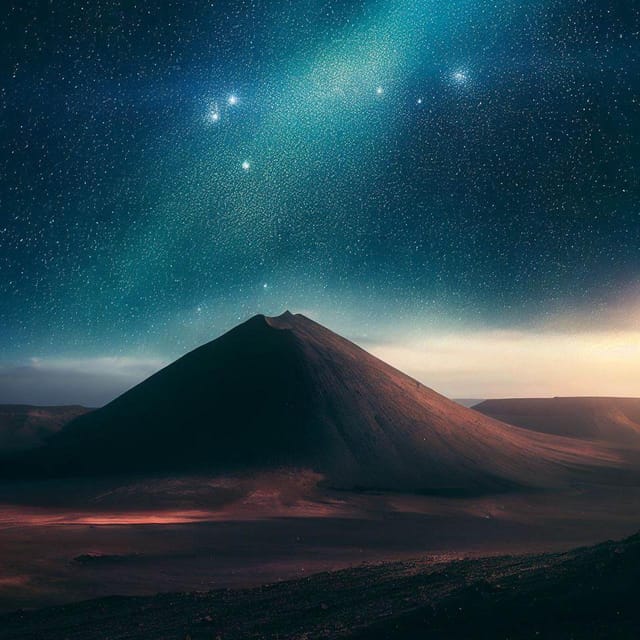
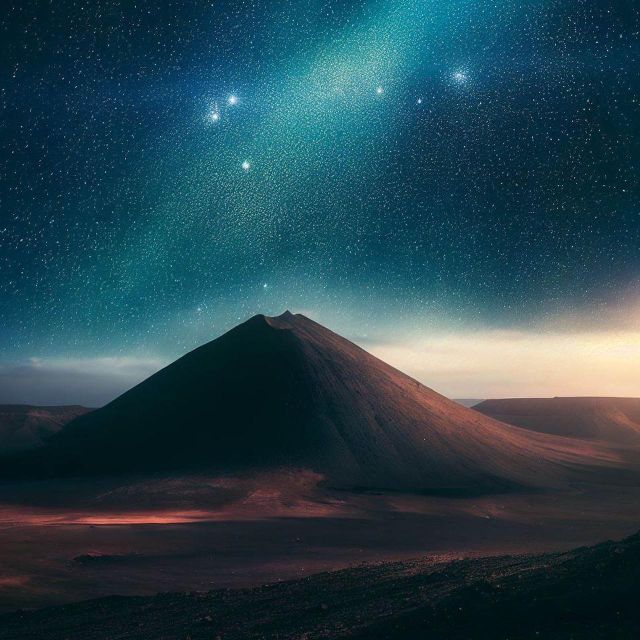
The best part of this Calderón Hondo volcano tour comes after sunset, when the crater turns into a natural viewing room for the night sky. You walk up under headlamp, look across to Lajares, Corralejo’s dunes, and Lanzarote, then settle into a darker spot to identify stars, planets, and constellations.
I like the mix of geology and astronomy, and I like that guides such as Victor make the evening lively without losing the sense of place. The main drawback is simple: clouds can block the stars, and there is no refund if poor weather spoils the view. The walk is also rocky, with a short steeper section, so this is not a gentle outing.
Key points at a glance
- A volcano after dark: Walk to the edge of Calderón Hondo and look into its crater by headlamp.
- A sky lesson with local meaning: Learn how fire, stars, and seasonal changes shaped native island traditions.
- Views beyond the crater: See Lajares, the Corralejo dunes, and Lanzarote from the high point.
- A strong guide makes the difference: Victor is frequently praised for his humor, care, and ability to explain astronomy in several languages.
- Weather matters: Clear skies can reveal the Milky Way, Saturn, Jupiter, satellites, and many constellations, but clouds may limit the night.
- Good value at $53: The price covers a three-hour guided experience, water, and headlamps. Transport is included only when you select the transfer option.
Why a volcano is the right place to study the stars
Fuerteventura is a fine island for looking upward, but the setting matters as much as the sky. At Calderón Hondo, there are no city streets or bright hotel signs around you. The black volcanic ground, open horizon, and quiet crater give the evening a real sense of distance.
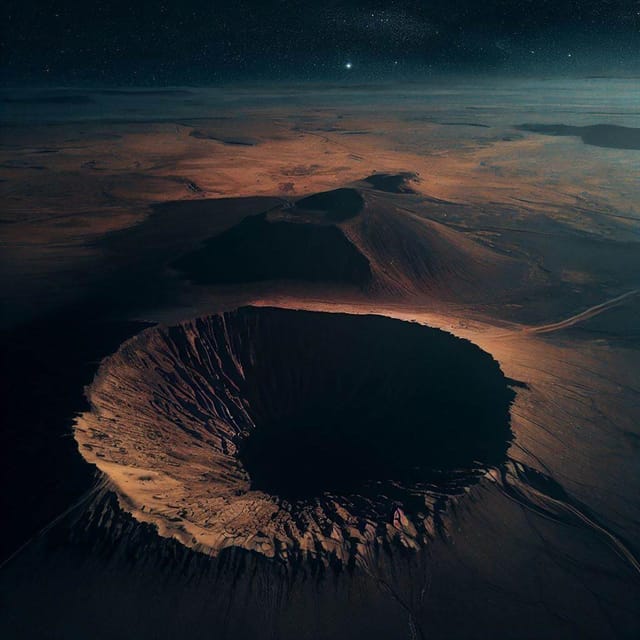
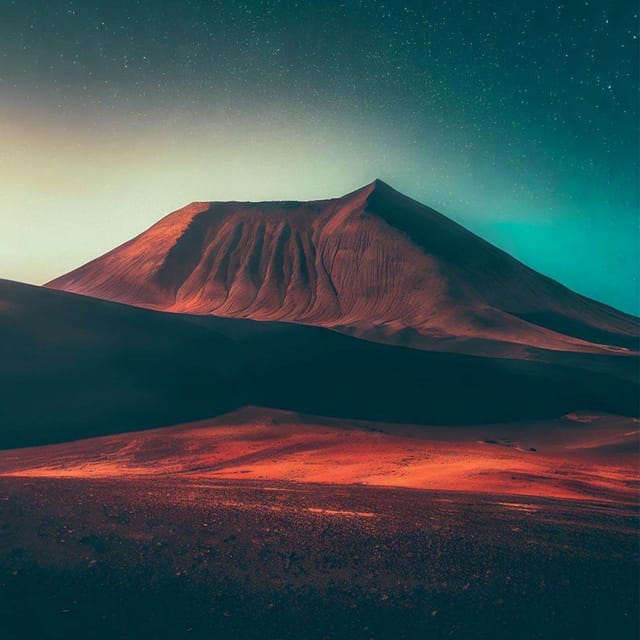
You begin with the volcano itself. Calderón Hondo is described as the island’s last active volcano, and the approach lets you see how volcanic activity shaped this part of Fuerteventura. The ground is uneven and rocky, so you need proper shoes, but the walk is manageable for people who are comfortable on rough paths.
At the crater edge, you can look down into the bowl and out across the island. During the fading light, the views include the town of Lajares, the dunes near Corralejo, and Lanzarote across the water. This first part is worth your time even if clouds later cover the stars.
I like this order. You do not simply arrive at a dark field and point at the sky. You first understand the ground beneath you, then look into space. The volcano gives the astronomy lesson a physical starting point.
More Guided Nights Out in Spain:
- Teide: Guided Sunset & Stargazing Tour by Night with Dinner
★ 4.7 · 1,339 reviews - Tenerife: Mount Teide Observatory Guided Tour
★ 4.6 · 818 reviews - Teide National Park: Guided Large Telescope Stargazing Tour
★ 4.9 · 319 reviews
The walk to Calderón Hondo
The exact pickup time changes with the season and your location. The guide confirms the time by email 24 hours before the activity, so do not rely only on the time shown when booking.
If you choose transport, pickup and return are available from Corralejo, El Cotillo, and Puerto del Rosario. A minibus transfer is useful if you do not want to drive at night on unfamiliar roads. It also keeps the group together and gives the guide time to share information on the journey.
You can also meet at the Repsol h2go service station if that is the arrangement for your booking. Check your confirmation carefully, since the meeting point and collection time depend on the option you choose.
The walk is done around dusk or in darkness, with headlamps provided. You should bring closed-toe shoes with a firm sole. Sandals and smooth-soled trainers are poor choices here, especially on the rougher sections.
The pace is guided, and the tour lasts about three hours, though the total duration can vary depending on where you are collected. You are not racing to the crater. The guide uses the walk to talk about the volcano, the island, and the sky.
What you see from the crater rim
Calderón Hondo gives you two different views in one visit. Before the sky becomes fully dark, you get broad island scenery and a sense of the volcano’s form. Later, the attention shifts inward and upward.
The crater is especially striking after sunset. Your headlamp picks out the immediate path, while the darkness hides the full scale of the hollow below. It is a quiet setting, and the lack of ordinary nighttime noise makes the stop feel far removed from the resort areas.
The high point also gives you a wide view toward Lajares, Corralejo’s dunes, and Lanzarote. You have time for photographs, though the strongest images depend on the remaining light. If you want a sunset view, October outings have included time to watch the sun go down from the volcano, but the precise timing changes through the year.
The path has a short steep section and plenty of loose or rocky ground. One participant specifically noted that it is not suitable for people with mobility problems. The activity is also listed as unsuitable for people afraid of heights, people over 65, cruise ship guests, and babies under one year. Those restrictions are worth taking seriously rather than treating them as minor fine print.
Astronomy explained without a classroom feel
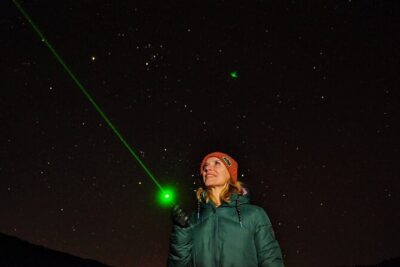
After the crater visit, the group moves to a flatter, clearer area for stargazing. Here the guide identifies constellations, planets, and bright stars with a laser pointer. A tablet or astronomy app helps show the shape of a constellation before you find it above you.
That approach works well for beginners. The sky can look like a scatter of identical lights when you first arrive. A guide gives you a pattern to follow, then points out the same pattern overhead. You might see several constellations, satellites, and planets such as Saturn and Jupiter when conditions are good.
Some outings have included a telescope for a closer look at the moon. You should not treat that as guaranteed on every departure, since the supplied details promise guided astronomy but do not list a telescope as standard equipment. The same applies to drone photographs and video, which have been offered on some evenings but are not stated as a fixed inclusion.
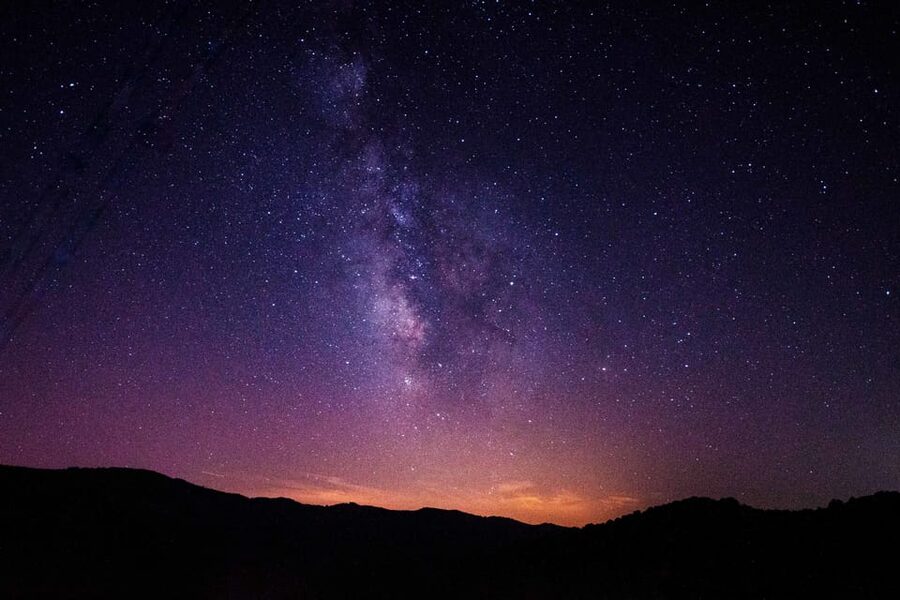
The strongest possible sight is the Milky Way. When the air is clear and the moon is not too bright, it can appear as a pale band across the sky. Strong moonlight can make the stars less obvious, but a guide can still locate constellations. Clouds are the bigger risk.
More Stargazing Tours around Spain:
- Tenerife: Teide National Park Sunset & Stargazing Tour
★ 4.2 · 3,812 reviews - Tenerife: Sunset and Stargazing at Teide National Park
★ 4.7 · 2,826 reviews - Teide National Park Sunset & Stargazing with Dinner (Star Safari)
★ 5.0 · 2,601 reviews - Teide National Park: Sunset & Stargazing Safari with Dinner
★ 4.6 · 2,115 reviews
Fire, stars, and Fuerteventura’s older traditions
This is not only a star-identification session. The guide also explains how fire and the sky fit into the traditions of Fuerteventura’s native inhabitants.
The value of this part is that it gives the stars a human meaning. You hear how people used the sky to understand seasons and time, and how fire figured in local folklore. The volcano then becomes more than a scenic viewpoint. It connects the island’s geology with the stories and practical knowledge developed by people who lived under the same open sky.
Guides speak English, Italian, and Spanish. Victor is especially effective for groups that include different nationalities, and he has been praised for moving between languages while keeping the evening friendly and easy to follow. His style is warm and playful, with jokes and music sometimes filling the minibus ride, but he also knows when to focus the group on the sky.
Alfredo has also led departures, including an evening when the moon, planets, and telescope added variety to the program. The guide you meet may vary, but the tone is clearly a major part of the experience. A dry astronomy lecture would not suit a dark volcanic path. You want someone who can keep the group together, explain unfamiliar ideas, and maintain good spirits if the clouds arrive.
The weather gamble you need to accept
You should book this tour for the volcano, the setting, and the astronomy lesson, not for a guaranteed Milky Way photograph. The operator asks you to book at least three days ahead so the weather can be checked, but the stars remain dependent on conditions on the actual night.
Cloud can come and go. Some evenings begin with heavy cover, then open long enough to reveal stars and constellations. On other nights, only brief gaps appear. Guides have used those breaks well, explaining the island and the volcano while waiting for clearer patches.
There is no refund if the stars are hidden by weather. That policy makes the risk clear. If a perfect sky is the only reason you are booking, this may feel uncertain. If you would still enjoy a volcanic walk, island stories, and a dark outdoor setting, the risk is easier to accept.
Moonlight is another factor. A bright moon can wash out fainter stars, though it does not prevent the guide from showing you constellations. Clear conditions matter most, but darkness level also affects what you see.
Bring a warm jacket or coat even if the afternoon feels hot. The crater is exposed, and the wind can make the night feel cold. A jacket was one of the most repeated practical tips from people who enjoyed the outing.
How much value is there at $53?
At $53 per person, this is more than a simple viewpoint visit, but you are paying for a three-hour guided evening rather than a short photo stop. The cost includes the guide, water, and headlamps. Transport is included only if you choose the transfer option, so compare the booking choices before you pay.
I think the price is fair if you want structure and explanation. You could drive toward the volcano and look at the sky on your own, but you would miss the geology, folklore, constellation guidance, and help with the dark approach. You would also need to manage the route and timing yourself.
The transfer option can add value even if you have a hire car. The road and approach may be unfamiliar at night, and the minibus keeps the evening social. One visitor considered the extra transport cost worthwhile because the ride itself became part of the experience.
The value drops if you need a guaranteed astronomical result. Clouds can reduce the sky portion without reducing the price. I would think of the tour as a volcano and night-sky experience with weather-sensitive stargazing, not as a professional observatory session.
Who will enjoy this evening most
I would recommend it to couples looking for something different from a beach bar, families with older children, and solo visitors who want a social activity with a clear structure. Children aged 8 and 11 have enjoyed the outing, while teenagers can follow the astronomy and still appreciate the dramatic setting.
It suits you if you are curious about how volcanoes formed the island and if you enjoy learning a few constellations rather than simply taking photographs. The guide’s humor also helps when the sky is less cooperative.
You should think twice if you dislike heights, struggle on rocky paths, or need a fully accessible route. The tour is not suitable for babies under one year, people over 65, cruise ship guests, or people with mobility problems according to the stated conditions.
This is also not the right choice if you want a late, flexible evening. Pickup times change by season and location, and the three-hour schedule takes up a substantial part of the night.
Practical preparation for a better night
Wear closed-toe shoes with good grip. You do not need specialist hiking boots, but comfortable footwear matters more here than holiday style.
Bring a warm layer, even in summer. Wind at the crater can make the temperature feel lower than it did in town. A coat is safer than assuming the island will stay warm after dark.
Take water, though water is supplied. Food is not included, so eat beforehand if you tend to get hungry during a three-hour evening. There is no mention of a meal stop.
Keep your expectations flexible. A cloudy night can still bring a worthwhile walk, a crater visit, and a clear explanation of the island. A clear night can add the Milky Way, planets, and a far more dramatic sky.
Finally, check your email the day before. The guide sends the exact activity time 24 hours ahead, and the displayed time may change with the season and your pickup point.
Should you book the Calderón Hondo stargazing tour?
I would book it if you want an unusual Fuerteventura evening that combines a volcano, island culture, and astronomy. The guides, especially Victor, appear to be a major strength, and the three-hour format gives you enough time to walk, look around, and learn without turning the night into a rushed stop.
I would not book it if you need guaranteed clear skies or a smooth, accessible path. The best decision is to accept the weather risk, wear proper shoes, bring a jacket, and judge the $53 price as payment for the whole setting and guided experience, not only the stars.
FAQ
How long does the Calderón Hondo stargazing tour last?
The tour lasts about three hours. The duration can vary depending on your pickup location.
What languages does the guide speak?
Live guides are available in English, Italian, and Spanish.
Where is the meeting point?
The stated meeting point is the Repsol h2go service station. Pickup is also available from Corralejo, El Cotillo, and Puerto del Rosario when you select the transfer option.
Is transportation included?
Bus pickup and drop-off are included only when you choose the option with transfer. Transportation is not included automatically with every booking.
What should I wear?
Wear comfortable closed-toe shoes and bring a jacket or coat. The route is rocky, and it can be windy and cold at the crater.
Can I get a refund if clouds hide the stars?
No. The conditions state that refunds are not given if the stars are not visible because of weather. You can cancel up to 24 hours before the activity for a full refund under the general cancellation policy.
Is the walk suitable for everyone?
No. The activity is not suitable for people afraid of heights, people over 65, cruise ship guests, or babies under one year. The rocky route can also be unsuitable if you have mobility problems.
Can I pay later?
Yes. The reserve-now, pay-later option lets you hold your place without paying immediately, subject to the booking terms.
Just in after dark around Spain
- Cabo de Gata: Stargazing Experience★ 4.5 · 7 reviews
- Cabo de Gata: Guided Night Walk with Stargazing★ 4.7 · 36 reviews
- Magic Stargazing & Sunset in Teide with Dinner + Telescopes★ 3.5 · 20 reviews
- La Palma: Premium Stargazing Tour for 10★ 4.3 · 51 reviews
- Stargazing Private Tour at Roque De Los Muchachos in La Palma★ 5.0 · 43 reviews
- Private astronomy tour with sunset toast, picnic, and astrophotography★ 4.8 · 83 reviews
- Tenerife: Teide Stargazing with an Astrophysicist★ 4.9 · 74 reviews
- Tenerife: Stargazing at Mt. Teide★ 4.2 · 72 reviews
Stargazing Tours, night against night.
Dubai Red Dunes ATV, Camels, Stargazing & 5* BBQ Al Khayma Camp
Read our review →
Teide National Park Sunset & Stargazing with Dinner (Star Safari)
Read our review →
Sunset Camel Trek, Al Khayma Camp, Stargazing & BBQ
Read our review →
Overnight Safari, Dinner, Stargazing & Al Khayma Camp
Read our review →
Dubai Overnight Desert Safari, BBQ & Stargazing at Al Khayma Camp
Read our review →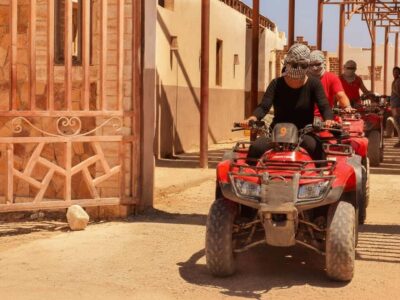
Sunset Quad Bike, Camel w/ Opt Stargazing and BBQ
Read our review →Lists this night appears in