
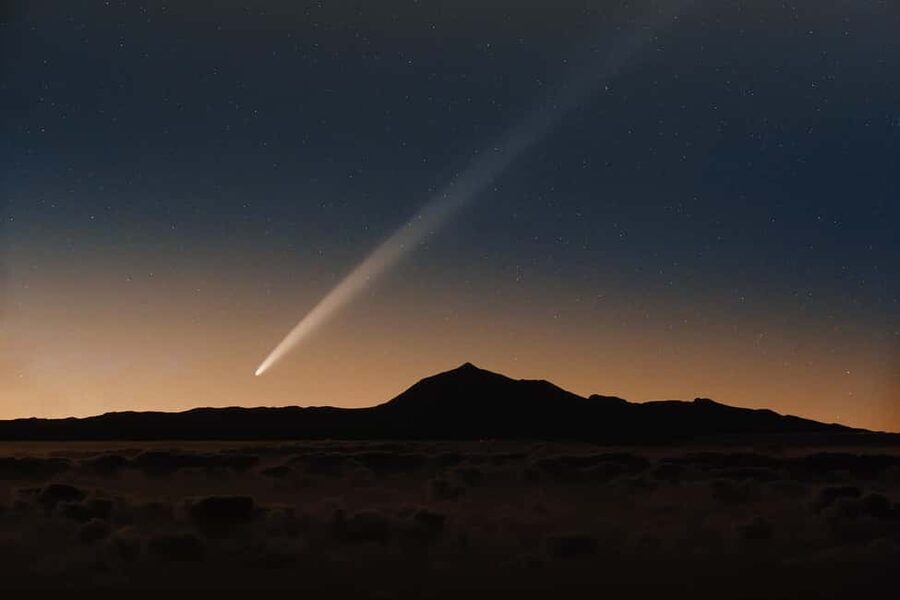
Review · LA PALMA
La Palma: Premium Stargazing Tour for 10
At Roque de Los Muchachos, you look up from one of La Palma’s best stargazing sites, high above the island’s usual cloud layer. I like the chance to use a telescope yourself, and I like the guide’s plain-language explanations of both astronomy and the stories people have attached to the stars over thousands of years.
The trade-off is real: the summit gets very cold after sunset, and you must drive yourself to the meeting point. A 90-minute tour can also feel a little short when a group takes turns at the telescope, especially if the party grows beyond the advertised limit of 10.
Key points to know before booking
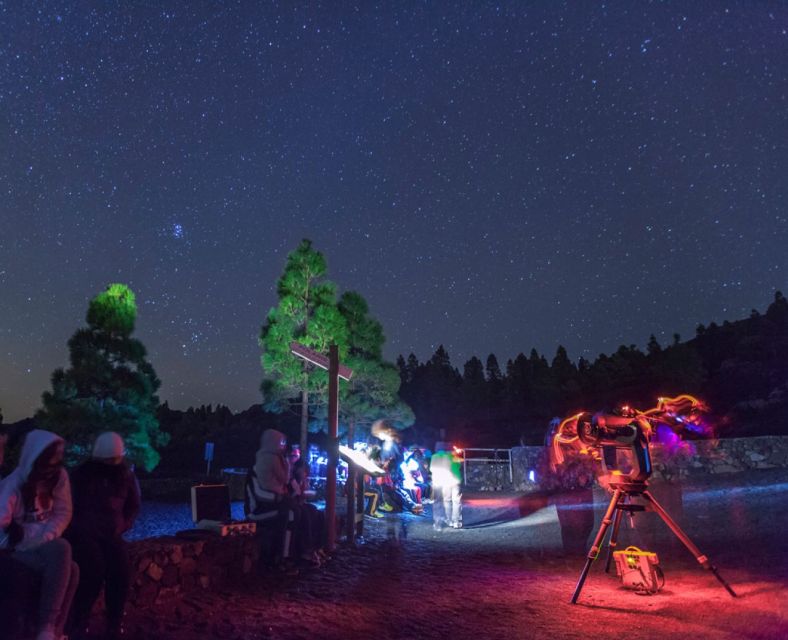
- The meeting point is fixed at 1,300 meters: Find the Museo Roque de los Muchachos Visitor Center parking lot, not a lower village or hotel.
- The tour uses supplied telescopes: Your guide gives a short lesson, helps you set up, and leads the viewing.
- The sky may include planets, nebulae, star groups, and the moon: What you see depends on the night and conditions.
- Guiding is available in English and Spanish: Angelo and Antonio have both led recent sessions, with astronomy explained in everyday terms.
- Bring serious cold-weather clothing: Temperatures can fall below 5°C after sunset, even when the coast feels mild.
- You need your own vehicle: Hotel pickup, drop-off, and transport are not included.
Why Roque de Los Muchachos is the right place for stargazing
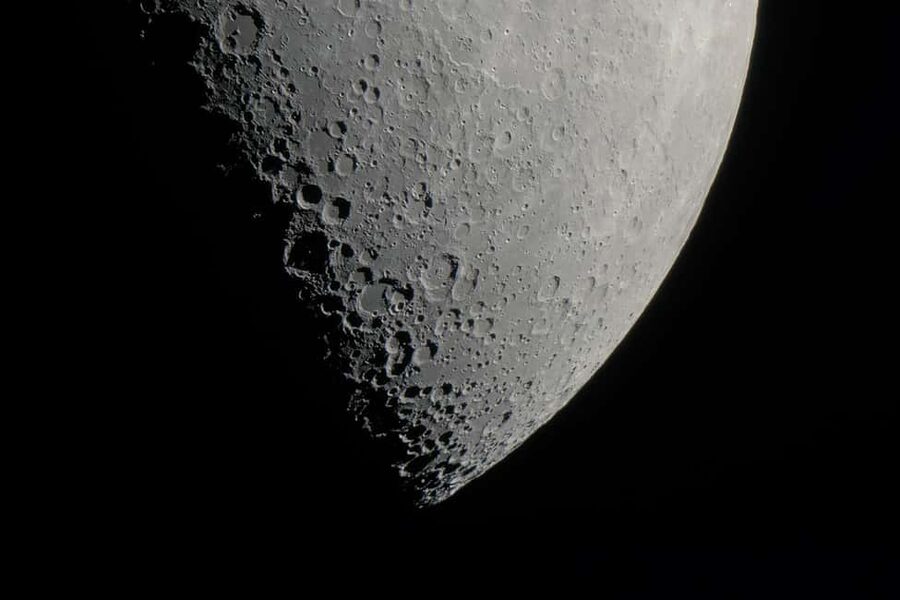
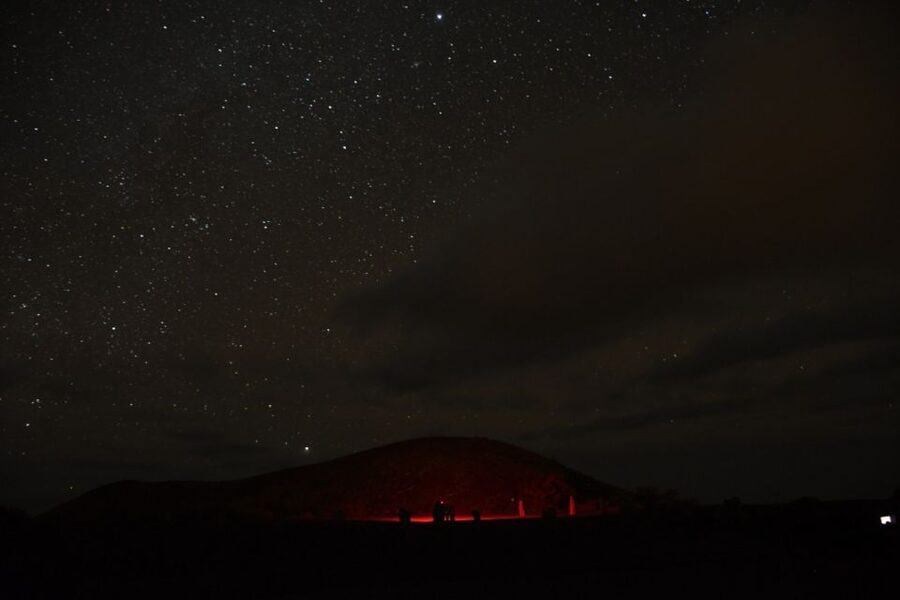
This tour does not meet at a convenient coastal resort or a dark roadside pullout. It takes you high into La Palma’s summit zone, to the Roque de Los Muchachos Visitor Center parking lot at about 1,300 meters above sea level.
That extra height matters. La Palma often forms a layer of cloud at lower elevations. At Roque de Los Muchachos, you may be above that cloud, with cleaner air and less atmospheric interference between you and the sky. The site also has less light pollution than the island’s built-up areas.
The result is a setting designed for astronomy rather than simply a nice place to look at stars. The high altitude does come with a price: you need to make a long uphill drive, organize your own transport, and prepare for cold mountain conditions.
Use the exact meeting point listed as Museo de los Muchachos Visitor Center. The meeting is next to the Visitor Center parking lot. That detail matters because two groups may gather in the same area, and the start can feel confusing if you do not know who your guide is.
More Stargazing Tours around Spain:
- Tenerife: Teide National Park Sunset & Stargazing Tour
★ 4.2 · 3,812 reviews - Tenerife: Sunset and Stargazing at Teide National Park
★ 4.7 · 2,826 reviews - Teide National Park Sunset & Stargazing with Dinner (Star Safari)
★ 5.0 · 2,601 reviews
Plan the drive before sunset
Since no transport is provided, your tour begins well before the guide starts talking about constellations. I would drive up during daylight and give myself time to find the parking area without rushing.
The road to the summit is also part of the day’s experience, but the tour information does not promise a particular drive time from your accommodation. Check your own route carefully and allow enough time to arrive before the meeting hour.
The provider specifically suggests reaching the summit earlier to watch the sunset. That is useful advice. It gives you something worthwhile to do before the night session, and it lets you see the mountain setting before darkness removes the visual clues around the parking lot.
A short walk or drive around the area can also help you get used to the altitude. You do not need to turn this into a strenuous hike. The practical aim is simply to arrive early, settle in, and avoid beginning the stargazing session while tired from a hurried ascent.
Bring food and drinks with you. They are not included, and the tour lasts only 90 minutes, but the timing around sunset and the drive back can make a picnic useful. Treat this as an evening at a remote mountain site, not as a quick activity beside your hotel.
What happens during the 90-minute telescope session
The tour begins with a basic introduction to the telescopes. You receive the equipment, learn how to use it, set it up, and have a chance to practice before the main viewing starts.
That hands-on start is one of the better features of the experience. You are not simply standing beside a guide while an instrument does all the work. The short practice period helps you understand what you are looking through and makes the later observations feel more personal.
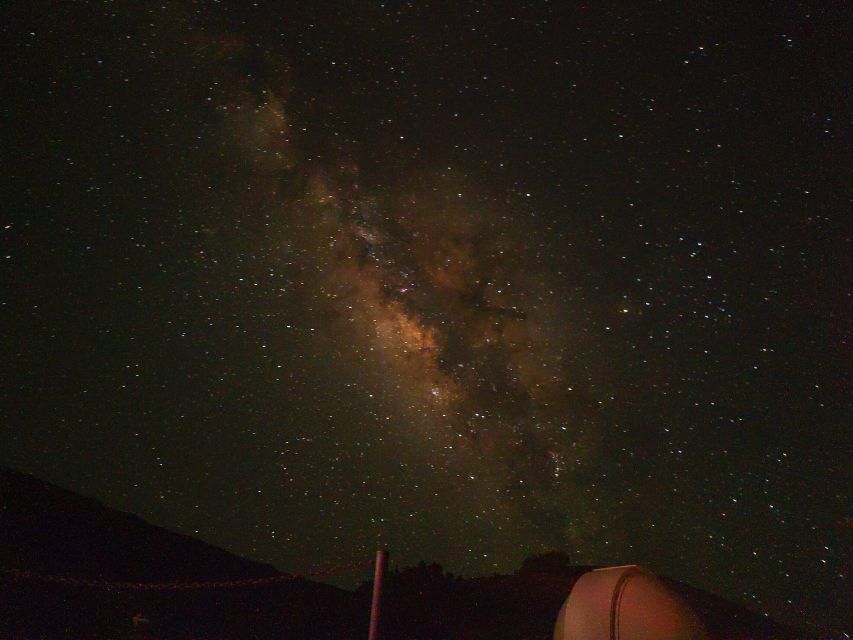
The guide then directs your attention across the night sky. The exact objects depend on the season, visibility, and conditions, but the program can include planets, the moon, nebulae, and groups of stars. You may look at one object and then build on that view with another, rather than treating each sight as a disconnected telescope stop.
The guide also explains constellations and the stories people have created around them. This adds a human side to the session. You are not only learning where an object sits in space. You are also hearing how different generations have used the stars for stories, interpretation, and practical understanding across tens of thousands of years.
The supplied description uses the word astrology, but the activity itself is mainly an astronomy session. Expect discussion of stars, planets, nebulae, constellations, and the moon, not a personal horoscope reading.
Guides who make difficult astronomy easier
The strongest part of this tour is the teaching. Angelo has been praised for his passion for astronomy and for his understanding of La Palma’s special role as an observing site. Antonio has also received strong praise for explaining complex ideas through ordinary, easy-to-follow examples.
That style matters outdoors at night. A guide can point at a patch of sky and list technical facts, but that does not necessarily help you understand what you are seeing. Here, the aim is to connect the object to a simple explanation, a story, or a clear idea that you can remember after the telescope is packed away.
I especially like the promise of a guide who avoids heavy technical language. You do not need a science background to take part. Families, first-time telescope users, and curious adults can all follow the session more easily when the explanations stay grounded.
The language options are English and Spanish. The activity is usually conducted in one of those languages, so check the language available when you book if that choice matters to your group.
Same stars, another vantage point:
- Teide National Park: Sunset & Stargazing Safari with Dinner
★ 4.6 · 2,115 reviews - Teide by Night: Sunset & Stargazing with Telescopes Experience
★ 4.5 · 1,492 reviews - Teide: Guided Sunset & Stargazing Tour by Night with Dinner
★ 4.7 · 1,339 reviews - Sunset & Stargazing Experience From Teide
★ 4.5 · 1,129 reviews
The telescope experience and group size
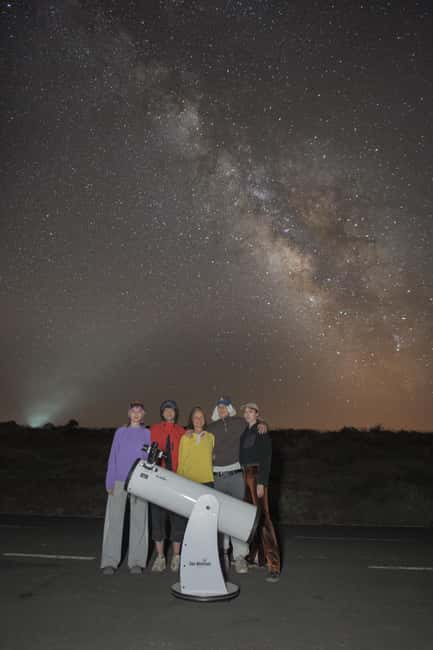
The advertised group limit is 10 people. That is small enough in theory for a guide to answer questions and give each person time at the telescope.
In practice, the size may matter more than the headline number. One recent session had 12 participants, which slowed the viewing because people had to take turns using a single telescope. If you are paying $88 per person, waiting your turn can affect how you judge the value.
A group of 10 can still require patience. Telescope viewing is not the same as standing in front of a wide panorama where everyone sees the same thing at once. People need time to position themselves, focus, and understand what the guide is showing. If the object is especially interesting, those pauses can add up quickly during a 90-minute tour.
The experience is best for people who enjoy a guided, shared activity and do not mind taking turns. If you want long, private telescope time, this may not be the right format. If you like learning as a group and hearing questions from other people, the small-group setting can work well.
Ask at the start how the viewing will be organized. Knowing the order and expected time at the telescope can make the session feel smoother.
Cold weather is not a minor detail
The advice to bring warm clothing is not routine fine print. At this altitude, temperatures drop sharply after sunset. One January session was recorded at below 5°C, and the cold made a major difference to the evening.
Wear more layers than you think you need. Bring a warm jacket, and consider adding a hat and extra layers under your coat. The supplied information specifically calls for warm clothing and a jacket, but the cold-weather guidance deserves emphasis because you may begin the evening in much milder conditions elsewhere on La Palma.
The open-air setting is part of what makes the tour work, but it also means you cannot retreat into a heated room while waiting for a turn. Food and drinks can help, especially if you have driven up early for sunset.
Do not assume that a clear sky means a comfortable night. Clear conditions are exactly what you want for astronomy, but they can make the cold feel sharper. Comfort is not a small extra here. If you are shivering, you will pay less attention to the guide and enjoy less of the telescope viewing.
What you can realistically see
The tour promises access to night-sky objects such as planets, nebulae, star groups, and the moon. It does not promise a fixed list of objects, because the sky changes with the time of year and the weather.
That flexibility is normal for a stargazing session. A cloudy night may reduce what you can see, and the reported score of 4 out of 5 for a cloudy-weather experience shows the main risk. The high summit location improves your chances, but it cannot guarantee a perfect sky every evening.
When conditions cooperate, the telescope views can be the highlight. The experience is not only about seeing more stars with your eyes. It is about seeing selected celestial objects enlarged and then having the guide explain what makes them worth noticing.
The moon and planets can offer a clear starting point for beginners. Nebulae and star groups may appeal more to people who already have an interest in the night sky. You should arrive with an open mind rather than a fixed demand for one particular object.
Is $88 a fair price?
At $88 per person, this is not a budget evening activity. The fee includes the guided tour and use of the telescope, but not transport, food, drinks, or entry to the Visitor Center.
The value depends on what you want from the night. If you are already planning to visit Roque de Los Muchachos and want a structured introduction to astronomy, the cost may feel reasonable. You are paying for the high-altitude location, the equipment, and a guide who can turn an unfamiliar sky into something understandable.
The price feels harder to justify if the group is larger than promised, the viewing is slowed by turns, or clouds limit the objects you can see. It also feels high if you expect access to the Visitor Center to be included. It is not.
I would compare this tour with the cost of simply driving to the summit on your own. The difference is that the self-guided option gives you the setting but not the telescope instruction or the guide’s explanations. If you already own suitable equipment and know the night sky well, you may not need this activity. If you are a beginner, the guide adds the main value.
The 4.3 rating from 51 ratings points to a generally positive experience, but not a flawless one. The repeated strengths are the guides’ clear teaching and the telescope views. The repeated concerns are the price, cold temperatures, unclear meeting arrangements, and the possibility of a larger group.
Who will enjoy this tour most
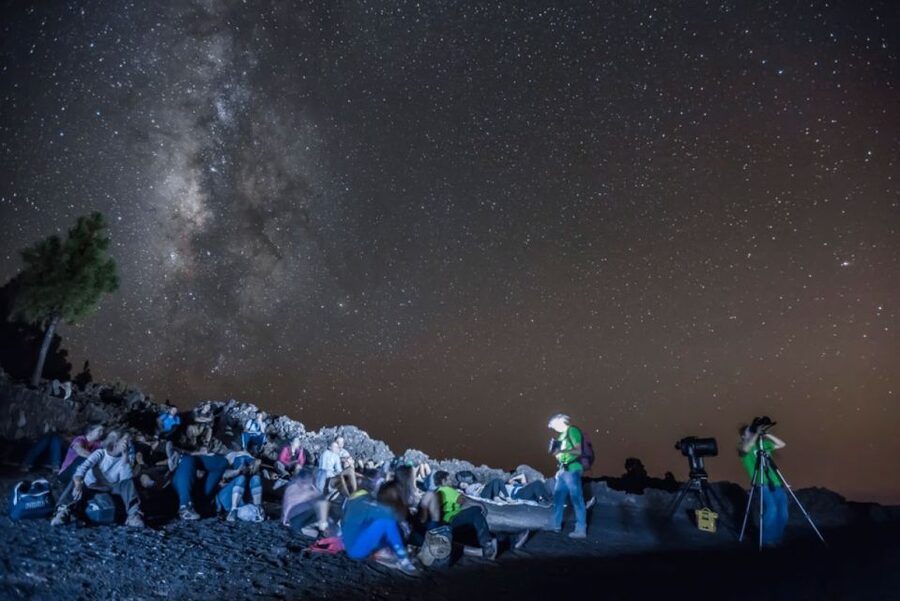
I would choose this activity if you want more than a scenic sunset and you have a genuine interest in learning what you are looking at. It suits first-time telescope users particularly well because the guide explains the basics and lets you practice before the main viewing.
It also fits couples, families with older children, and small groups of friends who are happy to share an instrument. People who enjoy stories about constellations will get more from it than someone who only wants a quick photograph of a starry sky.
You should think twice if you dislike cold weather, do not want to drive at night, or expect a private session. The road trip, picnic planning, and clothing are all part of the evening.
I would also be cautious about booking it as your only La Palma activity if your schedule is tight. The tour itself lasts 1.5 hours, but reaching the summit, arriving early for sunset, and driving back make it a larger commitment.
Simple ways to improve your evening
- Arrive early enough to find the Visitor Center parking lot and watch the sunset.
- Save the exact Museo Roque de los Muchachos meeting point in your map app.
- Bring several warm layers, not just a light jacket.
- Pack food and drinks because neither is included.
- Ask who the guide is when you arrive, especially if multiple groups are gathering.
- Expect to share telescope time and listen closely for instructions.
- Keep your plans flexible in case clouds affect the objects visible that night.
The booking terms are useful if your weather plans are uncertain. You can cancel up to 24 hours ahead for a full refund, and the reserve-now, pay-later option lets you hold a place without paying immediately.
My verdict on the Roque de Los Muchachos stargazing tour
I would book this tour if you want a guided introduction to La Palma’s night sky and are willing to pay for the location, telescope access, and teaching. The high summit setting is the right choice for astronomy, and the guides’ ability to explain complex subjects in simple language is the tour’s strongest feature.
I would not book it casually as a last-minute add-on without checking the weather, arranging a car, and preparing for serious cold. The $88 price asks you to expect a well-run, small-group session, so the group size and telescope queue matter.
For the best chance of enjoying it, go up early, see the sunset, eat before the session, and dress for a winter night. If you can accept shared telescope time and changing sky conditions, this is a memorable way to see La Palma after dark.
FAQ
Where does the stargazing tour meet?
The meeting point is at Roque de Los Muchachos, next to the Visitor Center parking lot at Museo Roque de los Muchachos.
How high is the stargazing location?
The activity takes place at about 1,300 meters above sea level in the summit zone of Roque de Los Muchachos.
Is transport provided?
No. You must use your own vehicle throughout the activity. Hotel pickup and drop-off are not included.
How long does the tour last?
The guided stargazing experience lasts 1.5 hours.
What can I see through the telescope?
Depending on the night, you may observe planets, nebulae, star groups, and the moon.
Is the tour available in English?
Yes. The live guide service is available in English and Spanish.
What should I bring?
Bring very warm clothing, a jacket, food, and drinks. Temperatures can drop sharply after sunset at the summit.
How many people are in the group?
The tour is advertised as a small group limited to 10 participants. A recent session had 12 people, so the actual group size may vary.
Can I cancel the booking?
Yes. You can cancel up to 24 hours in advance for a full refund. Reserve-now, pay-later booking is also available.
Just in after dark around Spain
- Cabo de Gata: Stargazing Experience★ 4.5 · 7 reviews
- Cabo de Gata: Guided Night Walk with Stargazing★ 4.7 · 36 reviews
- Magic Stargazing & Sunset in Teide with Dinner + Telescopes★ 3.5 · 20 reviews
- Stargazing Private Tour at Roque De Los Muchachos in La Palma★ 5.0 · 43 reviews
- Private astronomy tour with sunset toast, picnic, and astrophotography★ 4.8 · 83 reviews
- Tenerife: Teide Stargazing with an Astrophysicist★ 4.9 · 74 reviews
- Tenerife: Stargazing at Mt. Teide★ 4.2 · 72 reviews
- Mount Teide Night Tour: Stargazing, Dinner and Hotel Pick up★ 3.5 · 86 reviews
Stargazing Tours, night against night.
Dubai Red Dunes ATV, Camels, Stargazing & 5* BBQ Al Khayma Camp
Read our review →
Teide National Park Sunset & Stargazing with Dinner (Star Safari)
Read our review →
Sunset Camel Trek, Al Khayma Camp, Stargazing & BBQ
Read our review →
Overnight Safari, Dinner, Stargazing & Al Khayma Camp
Read our review →
Dubai Overnight Desert Safari, BBQ & Stargazing at Al Khayma Camp
Read our review →
Sunset Quad Bike, Camel w/ Opt Stargazing and BBQ
Read our review →Lists this night appears in