
Review · LA PALMA
La Palma: Roque de los Muchachos Stargazing Tour with Wine
At 2,426 metres above sea level, Roque de los Muchachos gives you two great shows in one evening: sunset above La Palma and a sky crowded with stars. The telescope session may reveal Saturn and its moons, planets, star clusters, galaxies, and nebulae, while the drive lets you enjoy the mountain without taking on steep, dark roads yourself.
I love the included hotel transport, especially because the return can be as late as 1 a.m. I also like the simple wine stop at sunset and the guides’ clear explanations of La Palma’s observatories. Stefanie, one of the guides, leads the astronomy portion in several languages and brings real interest to the subject.
The main drawback is the mountain setting: it gets very cold, and there may be no toilet access during the evening. The observatory grounds close at night, so you look at the telescopes from outside rather than entering them. Road closures or poor weather can also change the plan.
Key points before you book
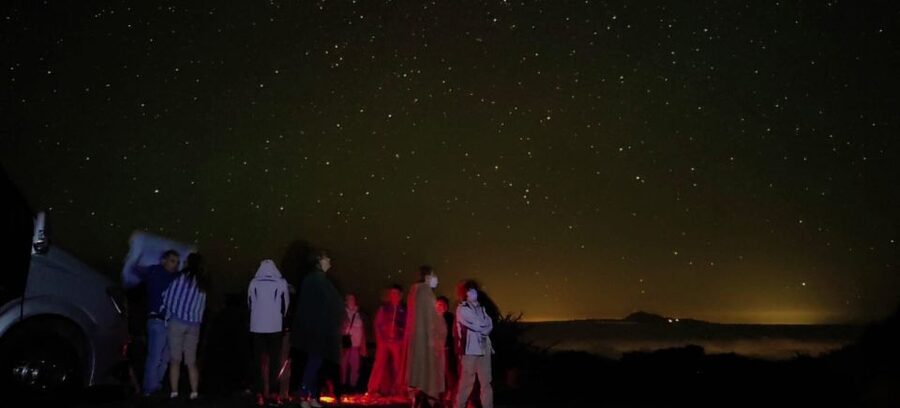
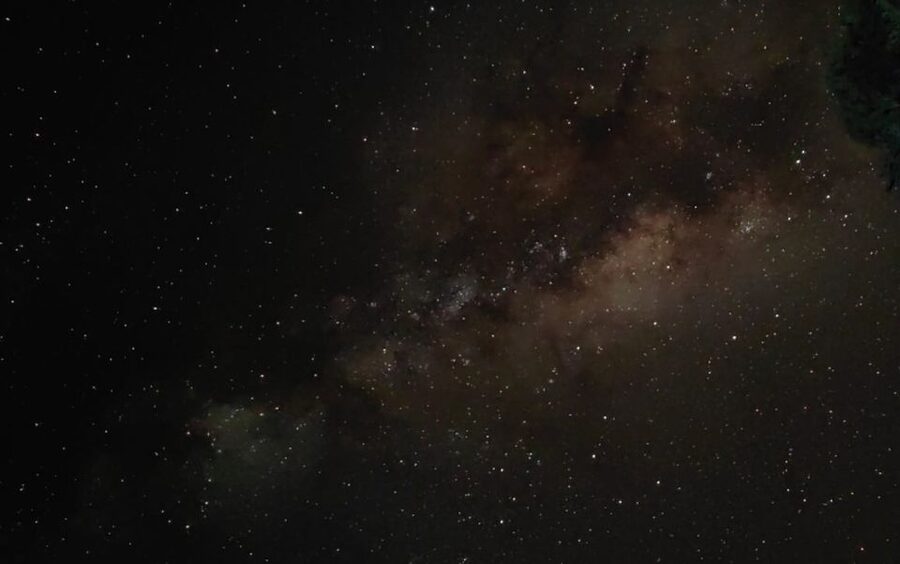
- Saturn can be the star of the night: A telescope session has included views of Saturn and three of its moons, along with the Milky Way seen without optical aid.
- The summit is not just a viewpoint: Your guide explains the telescopes along the road and why this high, dark site matters to astronomers.
- Sunset and stargazing happen at different stops: You first visit the summit area, then move to a nearby viewpoint for wine and sunset, followed by a separate dark-sky location.
- You do not enter the observatory: The facilities are closed at night, but you can see the telescope buildings and learn about them from outside.
- Warm clothes are essential in every season: Even summer evenings can feel sharply cold at altitude.
- The price includes the hard part: For $65, you get transport, a guide, hotel pickup and drop-off, and one glass of wine, with no need to drive back in darkness.
Why Roque de los Muchachos makes a fine night-sky stop
La Palma is prized for astronomy because its high mountain summit sits far above much of the island’s lower-level light and weather. Roque de los Muchachos is home to a group of major telescopes, and the road near the summit gives you a look at these facilities without requiring a daytime observatory visit.
That distinction matters. This is not an observatory tour, and you will not go inside the telescope buildings. Instead, your guide explains what you are seeing from the roadside and why astronomers chose this remote, high location.
The experience works because it pairs scientific context with a relaxed evening outdoors. You first see the summit in daylight, then watch the sun go down, and finally return to the dark for the telescope session. By the time the stars appear, you have a better sense of why the site was selected.
More Stargazing Tours around Spain:
- Tenerife: Teide National Park Sunset & Stargazing Tour
★ 4.2 · 3,812 reviews - Tenerife: Sunset and Stargazing at Teide National Park
★ 4.7 · 2,826 reviews - Teide National Park Sunset & Stargazing with Dinner (Star Safari)
★ 5.0 · 2,601 reviews
The long mountain ride from your hotel
Pickup is available from Fuencaliente, Los Cancajos, Santa Cruz de La Palma, and Los Llanos, depending on the option you choose. The vehicle carries a La Palma Transfer & Tours sign, though the exact meeting point can vary, so check the pickup instructions carefully.
The drive is part of the practical value of the tour. Reaching the summit involves steep mountain roads, and the return happens after sunset. You can admire the views from the bus instead of concentrating on bends, darkness, and unfamiliar roads.
The evening lasts six to seven hours, with the return usually between 10 p.m. and 1 a.m. The exact schedule changes with sunset and the time of year. That makes this a substantial outing, not a quick after-dinner activity. If you have an early start the next morning, allow for a late return.
Road conditions can affect the route. One evening became much longer because of closures, while the driver still handled the mountain journey well. If weather prevents the trip, you can change the date during your stay or receive a full refund.
Meeting the telescopes at 2,426 metres
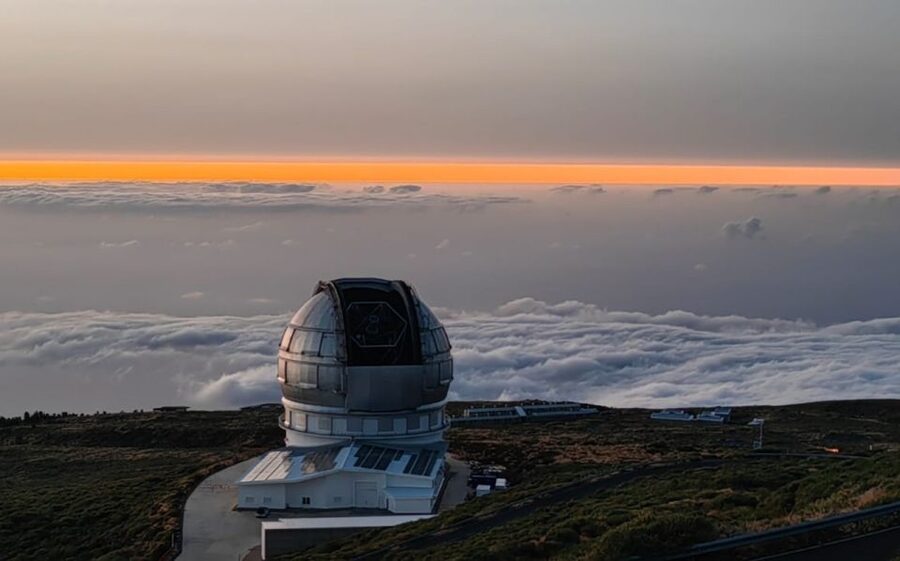
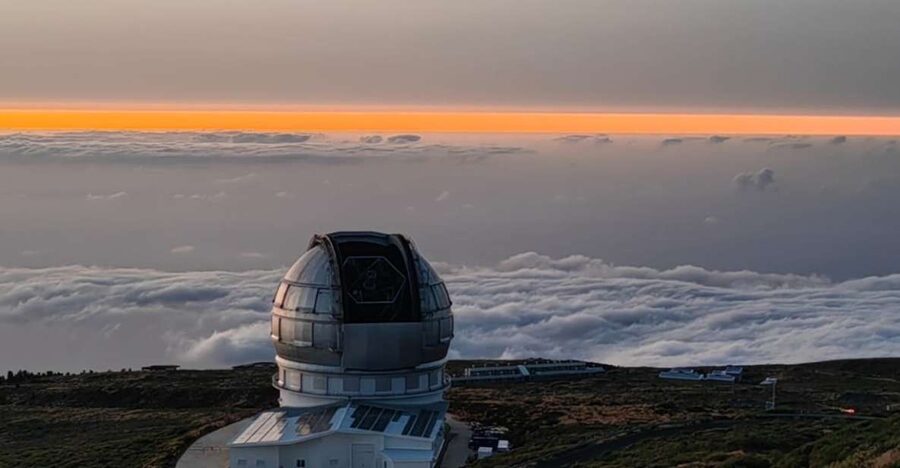
The first major stop is the Roque de los Muchachos viewpoint, the highest point on La Palma. From here, you can see the observatory installations on both sides of the road and hear about the role of each telescope.
This stop gives the evening some substance beyond simply pointing at stars. Your guide explains why height, darkness, and local conditions help astronomers study the sky. Guides speak English, Spanish, and German, and groups may be divided by language for the telescope portion.
Do not expect indoor exhibits, bathrooms, or a formal visitor center at night. The observatory area closes in the evening, with one account noting that it shuts around 7 p.m. Depending on the season and timing, your time near the main viewpoint may feel short. The reward is the setting and the explanation, not an interior tour.
The views here are striking even before sunset. You are high above the island, with open mountain scenery and a clear sense of the summit’s scale. Bring a camera, but keep your hands free for warm layers. The cold becomes more noticeable once you stop moving.
Wine and sunset at a second viewpoint
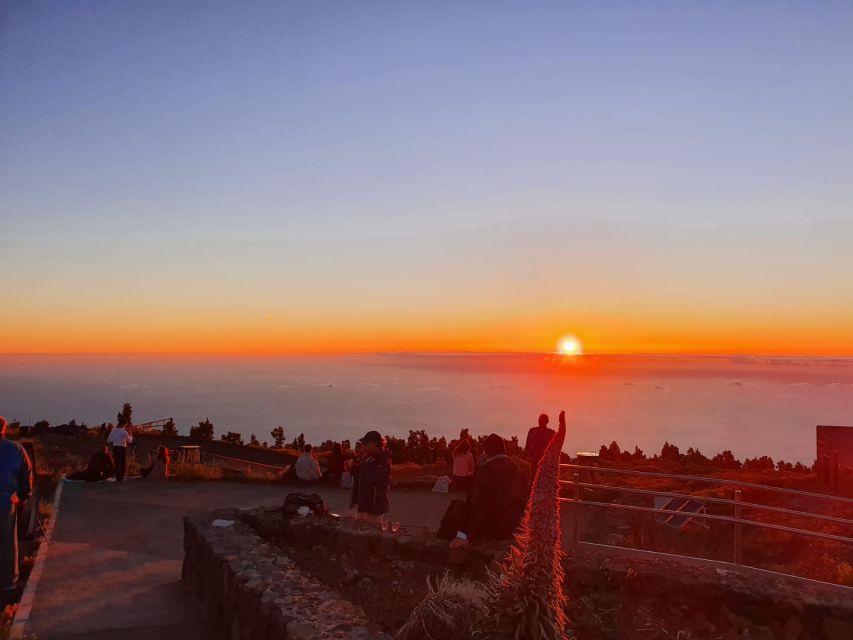
After the summit visit, the group drives to another nearby viewpoint for sunset. Here you receive one glass of wine while watching the light fade over La Palma.
This is a modest touch, but it improves the rhythm of the evening. You are not standing beside a telescope for hours. Instead, you get a calm pause between the observatory explanation and the night-sky session.
The exact viewpoint depends on weather and operating conditions. If the observatory area has closed, this second stop may become the main place for a picnic or sunset break. One useful warning: there are no open toilet facilities in the mountain area used on the tour, so plan ahead before leaving your hotel.
The wine is included, but the tour is not a meal. If you need more than a drink and a small pause, bring food. A charged phone and camera are also sensible, since the schedule gives you several scenic stops but not necessarily a chance to buy supplies.
Same stars, another vantage point:
- Teide National Park: Sunset & Stargazing Safari with Dinner
★ 4.6 · 2,115 reviews - Teide by Night: Sunset & Stargazing with Telescopes Experience
★ 4.5 · 1,492 reviews - Teide: Guided Sunset & Stargazing Tour by Night with Dinner
★ 4.7 · 1,339 reviews - Sunset & Stargazing Experience From Teide
★ 4.5 · 1,129 reviews
Telescope viewing after dark
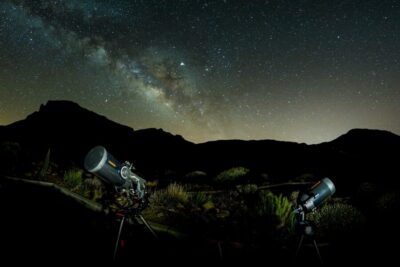
The final stop is chosen for darkness and weather. With the guide’s help, you look through a quality telescope at objects that are easy to miss from a city or resort.
The exact sights depend on the night, but the planned subjects include stars, planets, galaxies, nebulae, and star clusters. The Milky Way may be visible to the naked eye, while the telescope brings more distant or detailed objects into view.
This is where the guide makes the biggest difference. Astronomy can become confusing when someone simply names a few bright points overhead. A guide such as Stefanie explains what you are looking at and helps connect the view through the telescope with the wider sky above you.
The group may split into three language groups, with a guide for each. That helps keep the explanations clear and gives more people a fair chance to look through the telescope. Still, telescope viewing is shared, so this is not a private session with unlimited time on the eyepiece.
Conditions shape the result. Clouds, wind, moonlight, and road access can all affect the program. A full moon is especially important: when the moon is full, the activity cannot operate because its brightness reduces visibility of the other stars. For the darkest sky, choose a date away from the full moon.
The telescope can produce memorable results. Saturn and three of its moons have been visible during a session, which is the kind of sight that stays with you. Even if the exact planets or galaxies change, the contrast between the dark mountain sky and a bright city sky is likely to be the main lesson of the evening.
The cold, the dark, and the missing facilities
Take the warning about warm clothes seriously. You are going high into the mountains and then remaining outdoors after sunset. Even in August, the temperature can feel severe once you are standing still.
Bring a proper warm layer, not just a light jacket. Add trousers and closed shoes suited to uneven outdoor stops. A hat or extra layer may be useful, though the supplied information specifically requires warm clothing rather than a particular type of gear.
The lack of toilet access is the other practical weakness. You may be away from facilities for the whole mountain portion, and the evening can last until midnight or later. Use the bathroom before departure and avoid assuming that the wine stop comes with nearby services.
A camera and charged smartphone belong on your packing list. The phone helps with pickup details and timing, while the camera is useful for the sunset and summit views. Do not expect ordinary phone photography to capture the stars well, but it can still record the setting and the experience.
Is $65 good value?
At $65 per person, the tour offers fair value if you want stargazing but do not want to arrange a night drive. The cost includes hotel pickup and drop-off, a six to seven-hour guided outing, the summit visit, the sunset stop, telescope viewing, and one glass of wine.
The transport is the strongest part of the value. A self-drive visit would require a rental car, fuel, confidence on steep mountain roads, and a plan for getting down after dark. Here, you can relax on the return journey while the driver handles the road.
The price is less attractive if you mainly want a short sunset stop or a quick look through a telescope. Much of the evening is spent in transit, and the tour can run late. You also receive only one glass of wine, not a full meal or an observatory admission.
For someone who values expert guidance and safe transport, $65 is reasonable. For a visitor already comfortable driving at night and seeking only a viewpoint, the tour may feel long. Its value comes from combining several pieces that are difficult to arrange together.
Who will enjoy this La Palma evening
I would choose this tour if you are curious about astronomy but do not have the equipment or background to plan a night-sky session yourself. The guide gives you a starting point, and the telescope turns abstract subjects into visible objects.
It suits couples, families with older children, and solo visitors who prefer not to drive. The multilingual format also helps if your group needs English, Spanish, or German guidance.
You should think twice if you dislike cold weather, late returns, long bus journeys, or shared viewing time. It is also a poor fit for anyone expecting to enter the observatory buildings. The tour takes place around them, not inside them.
The evening has a quiet, educational character. It is not a party excursion, despite the wine. The best attitude is to dress warmly, accept some time on the road, and let the sky set the pace.
Booking details that affect your plans
The tour has a 4.4 rating from 624 reviews, and its strongest pattern is clear: the guides, telescope session, driver, and mountain views receive the most praise. Guides explain the astronomy in several languages, while the driver takes on the difficult return after dark.
Start times change with sunset, so do not rely on a fixed departure hour without checking availability. Your return may be as early as 10 p.m. or as late as 1 a.m., depending on the season.
You can cancel up to 24 hours before departure for a full refund. The reserve-now, pay-later option also helps if your island plans depend on weather. Since cloud and road conditions matter, that flexibility has real use.
Should you book the Roque de los Muchachos stargazing tour?
Book it if you want a guided look at one of La Palma’s best astronomy sites, appreciate a telescope session, and would rather not drive mountain roads at night. The chance to see Saturn, the Milky Way, or a cluster of stars can make the long evening worthwhile.
Skip it if you need easy facilities, dislike cold, or want to enter the observatory itself. Also avoid a full-moon date, when the activity cannot run as planned.
For most visitors, the best reason to book is the combination: summit views, sunset wine, astronomy explanations, telescope viewing, and a safe ride home. Pack warm clothes, use the bathroom before pickup, and check the moon and weather before committing.
FAQ
Where does the tour pick me up?
Pickup is available from Fuencaliente, Los Cancajos, Santa Cruz de La Palma, and Los Llanos, depending on the option booked. The precise meeting point may vary.
How long does the tour last?
The tour lasts six to seven hours. Return times are usually between 10 p.m. and 1 a.m., depending on sunset and the season.
Is hotel pickup and drop-off included?
Yes. Hotel pickup and drop-off are included, allowing you to avoid driving the mountain roads at night.
What languages are available?
Live guides are available in English, Spanish, and German. The group may be divided by language for the telescope observation.
Can I enter the Roque de los Muchachos observatory?
No. The tour does not enter the observatory. You view the telescope facilities from outside and learn about them from the guide.
What should I bring?
Bring warm clothing, a camera, and a charged smartphone. Warm clothing is especially important because the summit becomes very cold after sunset.
Does the tour operate during a full moon?
No. The activity cannot take place during a full moon because the moonlight reduces visibility of the other stars.
What happens if the weather is poor?
The route may be canceled because of weather. You can then change the date during your stay or receive a full refund for the activity.
Just in after dark around Spain
- Cabo de Gata: Stargazing Experience★ 4.5 · 7 reviews
- Cabo de Gata: Guided Night Walk with Stargazing★ 4.7 · 36 reviews
- Magic Stargazing & Sunset in Teide with Dinner + Telescopes★ 3.5 · 20 reviews
- La Palma: Premium Stargazing Tour for 10★ 4.3 · 51 reviews
- Stargazing Private Tour at Roque De Los Muchachos in La Palma★ 5.0 · 43 reviews
- Private astronomy tour with sunset toast, picnic, and astrophotography★ 4.8 · 83 reviews
- Tenerife: Teide Stargazing with an Astrophysicist★ 4.9 · 74 reviews
- Tenerife: Stargazing at Mt. Teide★ 4.2 · 72 reviews
Stargazing Tours, night against night.
Dubai Red Dunes ATV, Camels, Stargazing & 5* BBQ Al Khayma Camp
Read our review →
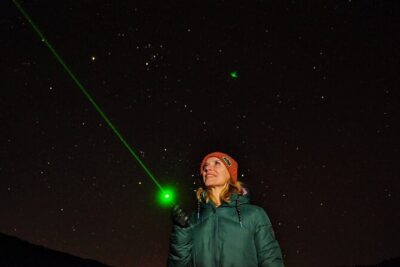
Teide National Park Sunset & Stargazing with Dinner (Star Safari)
Read our review →
Sunset Camel Trek, Al Khayma Camp, Stargazing & BBQ
Read our review →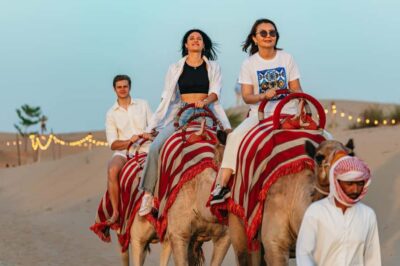
Overnight Safari, Dinner, Stargazing & Al Khayma Camp
Read our review →
Dubai Overnight Desert Safari, BBQ & Stargazing at Al Khayma Camp
Read our review →
Sunset Quad Bike, Camel w/ Opt Stargazing and BBQ
Read our review →Lists this night appears in