
Review · USA
Houston Museum of Natural Sciences: Planetarium Ticket
The Burke Baker Planetarium turns a short museum visit into a trip across the universe. Its high-resolution dome system can sweep you from planets and stars to full galaxies, making space feel vast without requiring a science degree. Passport to the Universe is a strong pick if you want a broad tour of the cosmos.
I like the clear, family-friendly science and the fact that a single show costs $12, so you can add it to a museum day without committing to a costly special event. I also like the range of topics, from black holes to what you can see in the night sky. The main drawback is the short running time, and some shows may feel slow if you prefer dramatic space footage to a lesson.
Key points at a glance
- Twenty minutes under a giant dome: The show is short enough to fit into a busy Houston museum day.
- High-resolution space scenes: Expect planets, stars, galaxies, and asteroid fields projected around you.
- Several show themes: Options include Black Holes, Passport to the Universe, Lamps of Atlantis, and Dark Side of the Moon.
- Schedules change: Check the current show calendar before you arrive, since the title depends on the date and time.
- The final show starts at 5 PM: Late entry is not allowed, so give yourself time to reach the planetarium.
- Good for mixed-age groups: The science is presented in a way that can work for children and adults, though pace varies by show.
Inside the Burke Baker Planetarium
The Burke Baker Planetarium is part of the Houston Museum of Natural Science, but this ticket covers one planetarium show only. You are not buying general museum admission, food, drinks, or transportation. That distinction matters because the museum offers enough other attractions to fill a day, and you may need a separate ticket for them.
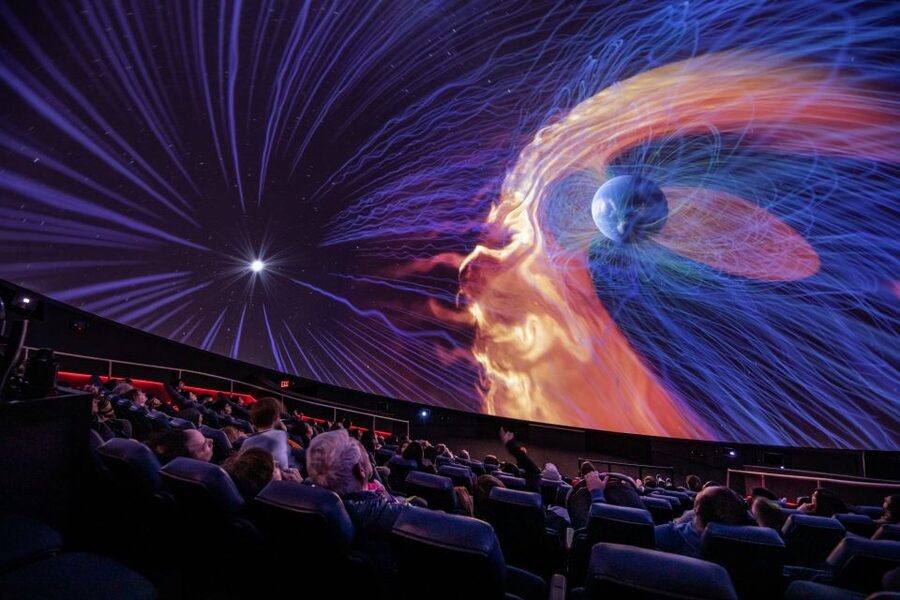
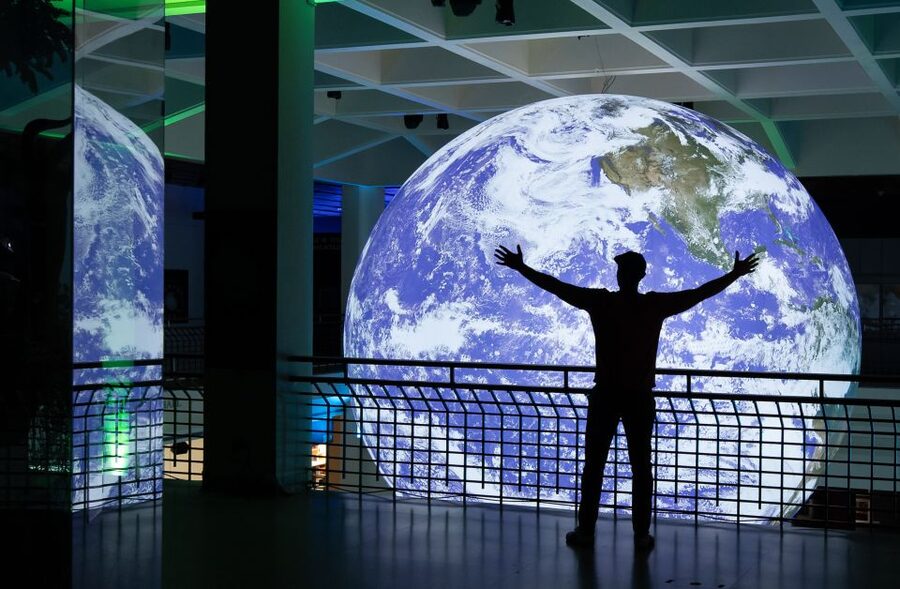
Once inside the planetarium, the main event is the dome projection. Instead of watching a flat screen at the front of a room, you look into a curved ceiling that can carry the image across your field of vision. The upgraded digital system is designed to show entire galaxies, planetary surfaces, and asteroid fields with high detail.
That format gives the show its main appeal. You are not simply reading facts about space. You are placed inside a visual tour of it. The room can move your attention from a nearby planet to a much wider view of the universe, helping you grasp the huge scale involved.
The presentation lasts about 20 minutes. I see that as both a strength and a limit. It is easy to fit between other museum exhibits, and children are less likely to lose patience. At the same time, $12 is not a bargain if you judge the ticket only by minutes. The value comes from the dome technology and the chance to add a focused space show to a larger museum visit.
More Planetarium Visits in the USA:
- Miami: Frost Museum of Science and Planetarium Entry Ticket
★ 4.5 · 429 reviews - Planetarium and Telescope Combo Tour
★ 4.0 · 144 reviews - Jasper: Jasper Planetarium and Telescope Combo Tour Tickets
★ 3.8 · 118 reviews
What the projection system adds
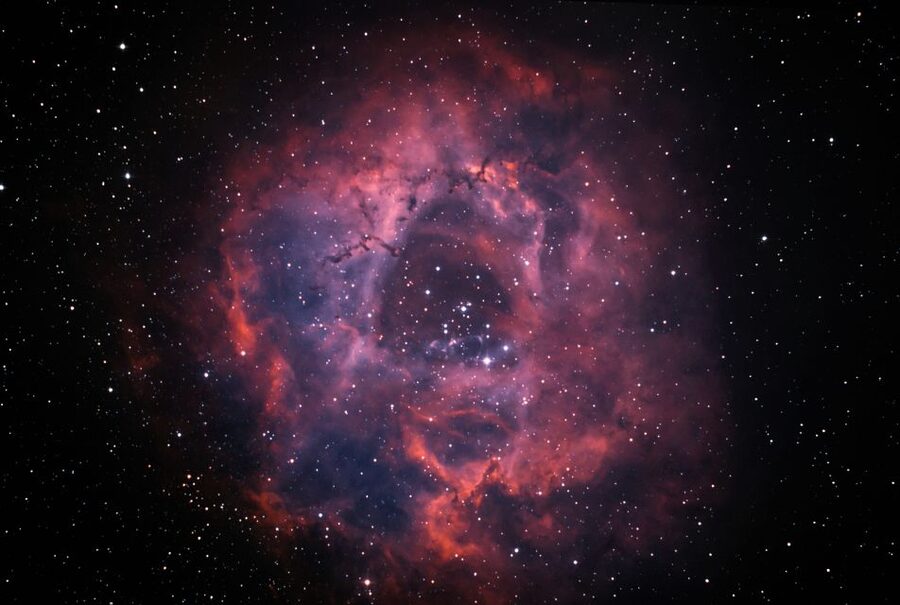
The planetarium’s main selling point is its projection system, not a live guide or a hands-on activity. You can expect digital images of planets, stars, galaxies, and other space objects to fill the dome. The system is built to create the feeling of moving through space rather than watching a standard documentary.
That difference is important for families. A child who might ignore a wall panel can often follow a visual trip through an asteroid field or across a planetary surface. Adults get a compact introduction to subjects such as black holes and the search for life beyond Earth.
The effect will vary by show. A program built around dramatic cosmic travel should feel more active, while a program about what is visible in the night sky may take a slower, more instructional approach. One reported visit found a night-sky program less engaging than another show, so I would check the title before booking if you know your group prefers fast-moving visuals.
You should also keep expectations sensible. This is not a full-length film or a live astronomy lecture. It is a brief, programmed presentation in a dome. The appeal lies in the scale and setting, not in a long itinerary packed with stops.
Choosing between the planetarium shows
The schedule changes with the date and time, so you cannot assume every title will be available. Check the Burke Baker Planetarium schedule before you set your museum plans. That small step can make a big difference, especially if you have a strong preference for one subject.
Here is what the listed programs suggest:
- Passport to the Universe: This is the broadest choice for a first visit. It is a good match if you want to move from familiar space objects toward the larger universe.
- Black Holes: Choose this if you want a show built around one of astronomy’s most striking subjects. It should suit viewers who enjoy big questions and dramatic cosmic ideas.
- Lamps of Atlantis: The title suggests a themed presentation rather than a basic tour of planets. Check the current description before choosing, since program content can change.
- Are We Really Alone?: This is the natural pick for anyone interested in life beyond Earth and the question of whether humans are alone in the universe.
- Starry Night Express: This title points toward a fast-moving trip through the stars. It may work well for families looking for a lively presentation.
- Dark Side of the Moon: This offers a lunar focus and may appeal to visitors who want a more specific subject than a general tour of space.
These descriptions should guide your choice, but the date-specific schedule is the final word. The program list can change, and the same museum visit may offer a different show from one day to the next.
How long should you set aside?
The listed show duration is 20 minutes, and most programs last that long. This makes the planetarium easy to pair with the museum’s other exhibits. You can plan it as a short scheduled stop rather than building your whole day around it.
Still, do not arrive at the last second. The final show begins at 5 PM, and late entry is not allowed. You need enough time to reach the Burke Baker Planetarium and be ready before the doors close. The information provided does not give a required arrival time, so I would simply avoid cutting it close.
A 20-minute show also works well when your group has different interests. Someone may want dinosaurs, another person may want space, and a child may need a change of pace. The planetarium offers a contained activity that does not take over the day.
If you plan more than one show, check the timing carefully. One booking experience included a discount for adding a second show through GetYourGuide, but discounts can depend on the booking conditions. Do not count on that saving until you see it offered for your date.
More Science Museums in the USA:
- World Trade Center Tour with 911 Museum & Observatory All Access
★ 5.0 · 159 reviews
Seating and comfort under the dome
The dome view is the reason to visit, but seating affects how much you enjoy it. One visitor found the seats less flexible than ideal and wished they reclined farther, since some parts of the dome required moving the head from side to side.
That is a useful point to consider. A full-dome presentation asks you to look around, and the best view may not always be directly in front of you. You may need to shift your gaze or head during the program. If comfort is especially important to you, keep this in mind before treating the show as a relaxed, reclining movie.
The experience is wheelchair accessible. The supplied information does not provide further details about specific seating arrangements, so you should confirm any particular access needs with the museum before your visit.
Flash photography is not allowed. That rule protects the dark viewing environment and keeps bright flashes from distracting people during the show.
Is $12 a fair price for 20 minutes?
At $12 per person, this is a moderate add-on rather than a cheap filler activity. If you are already visiting the Houston Museum of Natural Science and enjoy astronomy, the price can make sense because the planetarium adds a distinct format and subject. You are paying for the dome projection and the carefully programmed presentation, not just for another museum room.
The value is weaker if you are visiting only for the planetarium and expect a long program. Twenty minutes passes quickly, and a slower show may not satisfy someone seeking nonstop action. A short program also means you have little room for a disappointing match between your interests and the selected title.
I would consider the ticket good value for families, first-time visitors, and anyone who wants an easy introduction to astronomy. It is less compelling for repeat visitors who have already seen several similar dome shows, unless a new subject is on the schedule.
A 4.5 rating from 139 ratings suggests strong overall satisfaction, but the individual reactions show why the show choice matters. Programs described as educational and visually clear earned strong approval. A night-sky presentation felt slow to one person, while another viewer found a different program memorable and wanted to return for more. The lesson is simple: choose the topic, not just the time slot.
Who will enjoy this most?
I would recommend the planetarium to families with school-age children, couples looking for a short indoor activity, and adults who enjoy astronomy but do not want a technical lecture. The shows are designed so that broad ideas can be understood across age groups.
It also suits visitors who want to add a single focused event to a museum day. Since the show is only 20 minutes, you can enjoy it without sacrificing hours elsewhere.
You may want to skip it if your main goal is an extensive, interactive astronomy program or a long film with a detailed story. The experience has no stated live presenter, guide, or food component. It is a scheduled dome show, and the quality of your visit depends heavily on the program running that day.
One useful approach is to treat it as part of a larger Houston Museum of Natural Science visit. The museum has other exhibits and shows, but those are not included with this ticket. Plan your spending in advance so the planetarium does not come as a surprise extra.
Practical timing for your Houston visit
First, check the current Burke Baker Planetarium schedule. The available titles vary by date and time, and the last show starts at 5 PM. If you are visiting late in the afternoon, make the planetarium your fixed appointment and fit other exhibits around it.
Next, allow time to reach the planetarium before the show. Late entry is not permitted, and a 5 PM start leaves no room for a casual dash from another part of the museum.
Finally, think about your group’s energy level. A dramatic title such as Black Holes or Passport to the Universe may be a good way to hold attention after a long day. A slower astronomy lesson may work better when everyone is rested and ready to listen.
Should you book the Burke Baker Planetarium?
Book it if you want a short, visual trip through space and you are already planning to visit the Houston Museum of Natural Science. At $12, the show is a reasonable extra for families and astronomy fans, especially when the chosen topic matches your interests.
Before paying, check the exact title, start time, and final admission rules. Choose Passport to the Universe for a broad first look, Black Holes for a focused cosmic subject, or Are We Really Alone? for questions about life beyond Earth. Skip it if 20 minutes feels too brief for your budget or if your group dislikes slower educational programs.
FAQ
How long is the Burke Baker Planetarium show?
Most shows last 20 minutes.
How much does the planetarium ticket cost?
The listed price is $12 per person.
What is included with the ticket?
The ticket includes one show at the Burke Baker Planetarium.
Are museum exhibits included?
No. Additional museum exhibits and shows are not included with this ticket.
What shows might be available?
Possible programs include Lamps of Atlantis, Are We Really Alone?, Black Holes, Starry Night Express, Dark Side of the Moon, and Passport to the Universe. Shows vary by date and time.
What time is the last show?
The last show begins at 5 PM. Late entry is not allowed.
Is the planetarium wheelchair accessible?
Yes, the experience is wheelchair accessible.
Just in after dark around the USA
- Seattle: Hop-on Hop-off Bus Tour and Sky View Observatory★ 4.4 · 16 reviews
- Boulder: Guided Astronomy Tour★ 4.7 · 11 reviews
- 1-Day Grand Canyon Tour from Las Vegas: Stargazing & Sunrise★ 3.6 · 3 reviews
- Griffith Observatory: Scott E-Bike Tours LA Private Tour★ 5.0 · 32 reviews
- Private Tour of Griffith Observatory★ 4.5 · 58 reviews
- Haleakala Sunset and Stargazing Audio Tour★ 4.0 · 10 reviews
- Stargazing and Milky Way Portrait in Capitol Reef National Park★ 4.5 · 13 reviews
- Stargazing Tour in Kapalua★ 5.0 · 31 reviews
Planetarium Visits, night against night.
Miami: Frost Museum of Science and Planetarium Entry Ticket
Read our review →
Jasper Planetarium and Telescope Combo Tour Tickets
Read our review →

Cusco by Night: Planetarium Cusco, Dinner, and Pisco Sour
Read our review →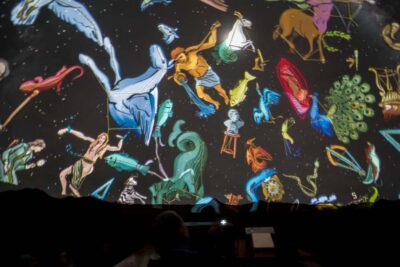
Planetarium Cusco OFFICIAL SITE: Andean Astronomy experience
Read our review →

Planetarium and Night Tour with Dinner and Pisco Sour
Read our review →Lists this night appears in