
Review · SAN PEDRO DE ATACAMA
San Pedro de Atacama: Stargazing Experience
San Pedro de Atacama’s greatest show begins after dark. Fifteen minutes outside town, the desert silence and famously clear skies turn a simple night out into a close look at planets, star clusters, nebulae, and distant galaxies. The telescopes are the main event, but the astronomer’s stories give the sky meaning.
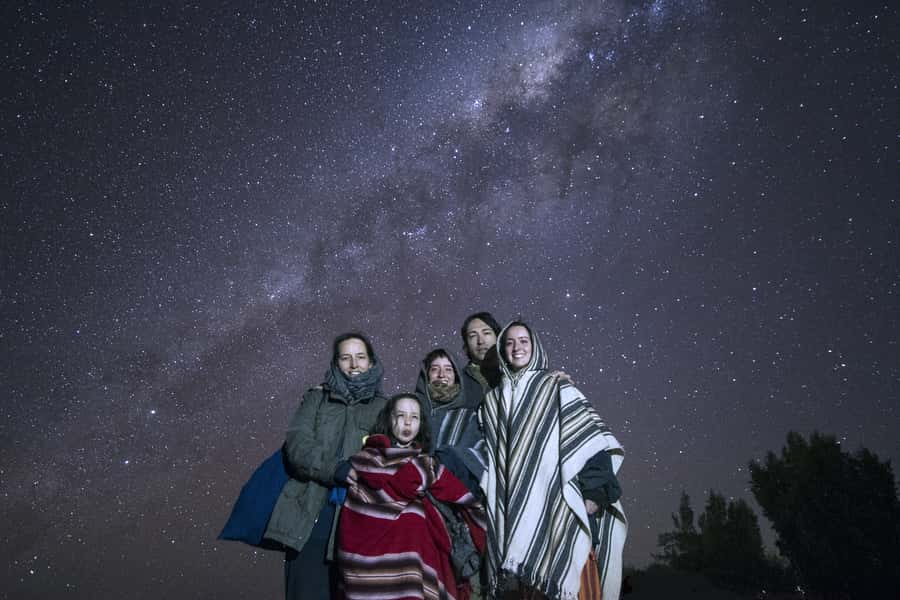
I especially like the chance to see the southern sky, including the Southern Cross and the Magellanic Clouds, and the care put into the practical side: blankets, hot chocolate, snacks, and a photograph beneath the stars. The drawback is the cold. Desert nights can bite, and a full moon can wash out some faint stars.
Key points to know before booking
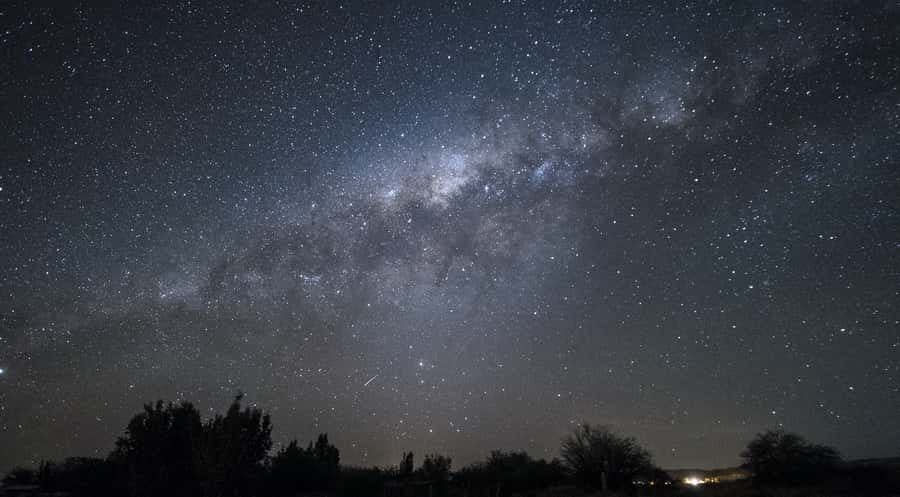
- Telescopes bring the sky close: Depending on the season, you may see planets, moons, binary stars, clusters, nebulae, and galaxies.
- The talk covers Ancient Greek astronomy: You’ll learn how early sky-watchers connected stars into constellations, along with useful facts about the solar system.
- The southern sky gets proper attention: Guides point out the Southern Pole, the Southern Cross, the Magellanic Clouds, and other features not familiar to many visitors from the Northern Hemisphere.
- The night is cold but thoughtfully arranged: Blankets, cushioned benches, hot drinks, wine, pisco sour, juice, and a snack are provided.
- Astrophotography is included: You receive a star portrait, though two people reported needing to follow up when their photographs did not arrive.
- Moon phase matters: A dark night offers the best chance of seeing the Milky Way, while a bright moon gives you a striking telescope subject of its own.
Why San Pedro is made for stargazing
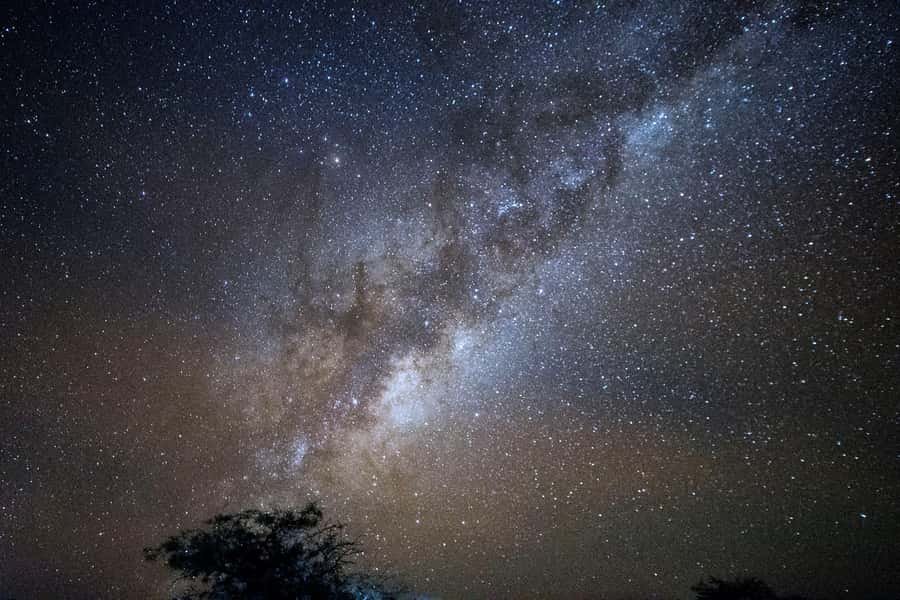
San Pedro de Atacama sits in northern Chile’s dry Atacama Desert, far from large cities and their bright lights. That makes the night sky a serious attraction, not just a pleasant background for an evening drink.
You do not need a technical interest in astronomy to enjoy this outing. The guide begins with the naked-eye sky, so you can first look up and get your bearings. Then the telescopes add detail that your eyes cannot catch alone. A bright point becomes a planet. A hazy patch becomes a cluster or nebula. A distant light source takes on scale.
I like this order. It keeps the experience from becoming a queue at a telescope with no sense of what you are seeing. Guides such as Alejandro, Alberto, Rafael, and Connie have been singled out for clear explanations, patience, and an easy way with questions. The exact guide depends on the date and group, but the activity is offered in English and Spanish.
The Ancient Greek material adds a familiar entry point. You learn how Greek sky-watchers named and grouped constellations, but the southern sky also gives the guide plenty to work with. You may be shown how to find the Southern Pole, a useful lesson in a part of the sky that many Northern Hemisphere visitors have never seen.
One fair criticism is that the Greek tradition can receive more attention than other ways of understanding the stars. If you want a detailed presentation of Indigenous South American astronomy or many different cultural interpretations of the heavens, check the tour description carefully before booking. This outing is primarily a guided astronomy session, with history and storytelling around the science.
More Stargazing Tours around the world:
- Dubai Red Dunes ATV, Camels, Stargazing & 5* BBQ Al Khayma Camp
★ 5.0 · 21,620 reviews - Sharm El-Sheikh: Ultimate ATV Quad, Stargazing & BBQ Dinner
★ 4.7 · 4,084 reviews - Tenerife: Teide National Park Sunset & Stargazing Tour
★ 4.2 · 3,812 reviews
The 15-minute ride out of town
The meeting point depends on the option you book. From San Pedro de Atacama, the drive to the observation site takes about 15 minutes in a van. The short transfer matters because you get a darker sky without sacrificing much of your evening.
The ride is not a sightseeing tour in itself. The road and site can be dark and dusty, which is one reason I would take the arranged transport rather than follow in a rental car. One family drove separately and found the dark road less comfortable than expected.
At the site, you are given a short introduction before observation begins. The setup includes benches with cushions, blankets, and space to settle in while your eyes adjust. The atmosphere is simple rather than luxurious, but that suits the setting. You are out in a quiet desert night, not inside a polished planetarium.
The lack of a bathroom is worth noting. The activity lasts 150 minutes, and facilities are not included at the observation site. Plan ahead before leaving town.
First, look up without a telescope
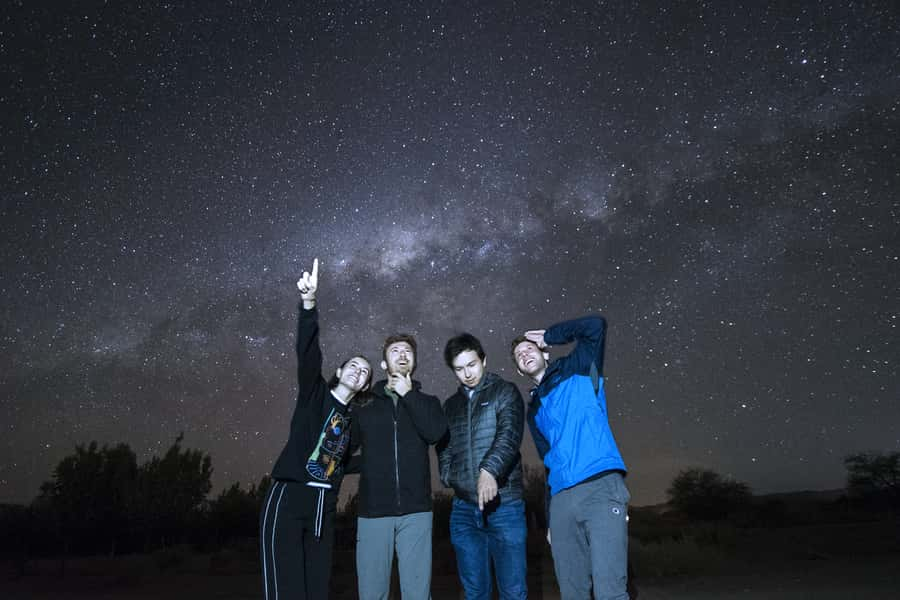
The first substantial part takes place under the open sky. The guide points out stars and constellations with the naked eye and explains what you are seeing. This is where the outing works best for beginners because you learn the basic map before adding equipment.
A good guide can make the subject feel approachable. The strongest sessions have included explanations of the Southern Pole, the brightest stars, the nearest star after the Sun, the solar system, and the way stars form recognizable patterns. You should have time to ask questions rather than simply listen to a fixed speech.
The content can be quite detailed. That is a benefit if you already enjoy science, but it may feel like a lot if you are joining on a whim. One person found the astronomy talk too technical and not engaging enough for a first introduction. If you prefer a short, lighthearted look at the sky, tell your guide early. If you enjoy asking questions, this is likely to be one of the best parts.
The sight of the Milky Way is often the emotional high point. At the right time of year and under suitable moon conditions, the band can appear clearly overhead. The Magellanic Clouds, two nearby galaxies visible from the southern hemisphere, may also be on the program. Specific sightings depend on the season, weather, and time of night, so do not treat every object as guaranteed.
Telescopes, planets, and changing targets
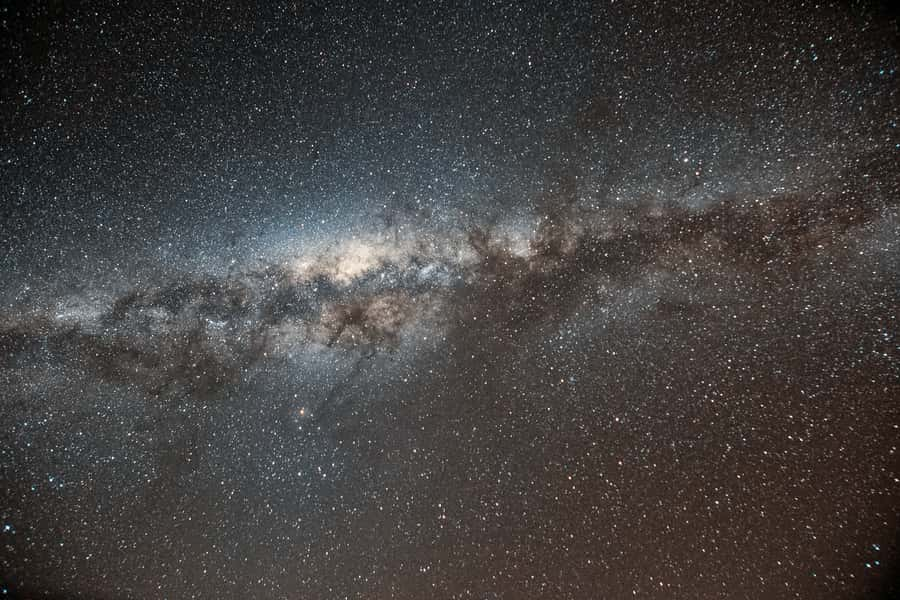
After the naked-eye introduction, you learn how to look through the telescopes. The guide selects objects based on the date and sky conditions. Possible targets include planets, moons, binary stars, stellar clusters, nebulae, and galaxies.
This part takes patience. A telescope view is personal and sequential, so the guide must reset the instrument for each person. That care has been a strong feature of the experience. Alberto, for example, was praised for readjusting the telescope after every viewer so the next person received a clear image. A step stool was also provided for a child who needed help reaching the eyepiece.
What might you see? Past sessions have included Saturn and its rings, Mars, Jupiter with several moons, the Moon, shooting stars, the International Space Station, the Magellanic Clouds, and bright stars that are hard to appreciate with the naked eye. Your own list will vary. A full moon may reduce the number of faint stars visible, but it gives you a dramatic object to study through the telescope.
That makes moon phase an important planning detail. A moonless night is usually better for faint stars and the Milky Way. A bright moon is not a wasted night, especially if the guide can turn the telescope toward its craters. One outing during a full moon week still produced memorable views of constellations and the Moon, while another session saw the Milky Way before moonrise and Saturn later in the evening.
If stars are your main reason for booking, check the moon phase when choosing your date. The activity page may show the relevant conditions, and the exact start time can change with the season.
Same stars, another vantage point:
- Tenerife: Sunset and Stargazing at Teide National Park
★ 4.7 · 2,826 reviews - Teide National Park Sunset & Stargazing with Dinner (Star Safari)
★ 5.0 · 2,601 reviews - Dubai: Sunset Camel Trek, Al Khayma Camp, Stargazing & BBQ
★ 4.8 · 2,588 reviews - Dubai: Overnight Safari, Dinner, Stargazing & Al Khayma Camp
★ 4.8 · 2,562 reviews
Drinks, snacks, and the cold desert night
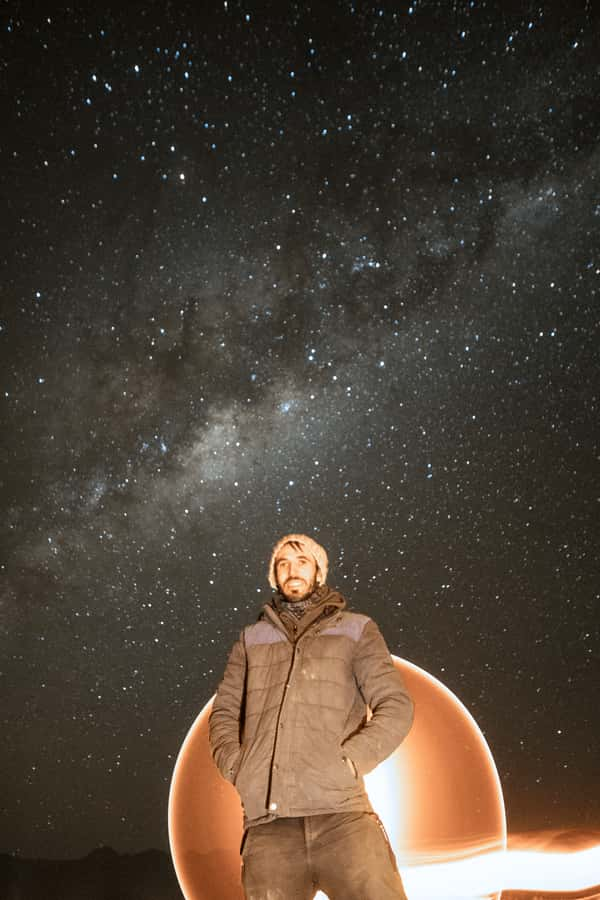
The refreshments are a useful part of the experience, not the reason to book it. At the beginning, you may receive wine, pisco sour, or juice while your eyes adjust. Later, tea, coffee, or hot chocolate arrives with a snack.
The warm drinks matter. San Pedro can be hot during the day and surprisingly cold after sunset, especially when you are sitting still for telescope viewing. Blankets are supplied, but bring your own warm layers as well. A jacket, warm clothing, and comfortable shoes are specifically recommended.
I would wear more than you think you need. Use several thin layers, cover your hands if they get cold, and choose shoes that work on dusty ground. The activity is relaxed, but you are outdoors for around two hours. Cold can distract you from a good explanation or a beautiful view.
The snacks and drinks also give the group a natural pause. You can talk with the guide, warm up, and enjoy the setting rather than rushing from one telescope to the next. One minor complaint concerned the welcome drink, which was considered less impressive than the astronomy. That is a reasonable trade-off: the refreshments are pleasant extras, while the sky is the real attraction.
Alcohol is not permitted in the general sense of bringing alcohol or drugs to the activity, although the included drinks list does mention wine and pisco sour served by the operator. Follow the guide’s instructions and do not bring your own alcohol.
The astrophotography keepsake
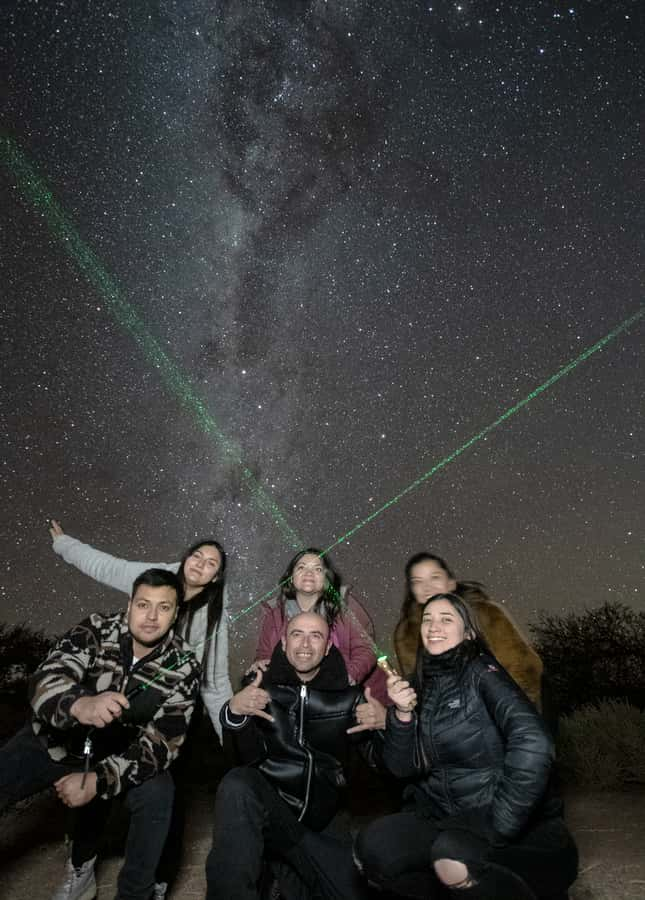
A photograph beneath the stars is included. This is a useful extra because night-sky photography is difficult without a tripod, a camera with manual settings, and practice with long exposures.
The photo gives you a record of the evening, often with the Milky Way or starry sky behind you. You may also receive tips for taking your own photographs, including advice from Rafael about getting better results. Bring your phone or camera if you want to try, but do not expect ordinary handheld snapshots to capture what your eyes see.
There is one practical caution: make sure you know how and when the photograph will be delivered. Two people reported not receiving theirs and having trouble getting a response afterward. That appears to be an occasional service problem rather than the normal arrangement, but I would confirm the delivery method before leaving the site.
Is $35 a good value?
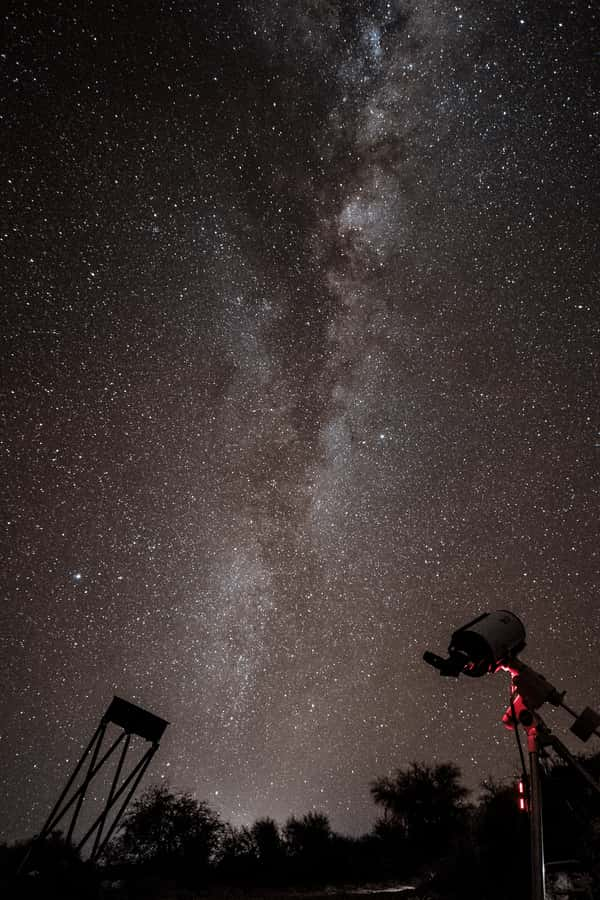
At $35 per person, this is reasonably priced for a 150-minute guided night excursion that includes transport from town, an astronomy guide, telescope use, refreshments, blankets, and astrophotography. The value is strongest if you do not have a car, want an English-speaking guide, or prefer an organized introduction instead of trying to identify stars alone.
The price is less attractive if you only want a quick look at the Milky Way. You can see many stars from the area without a formal tour, and one person who compared options locally said buying the same type of outing in San Pedro could cost about a third less than booking online. Local prices and availability change, so compare before paying. Online booking can still be worth it for flexible cancellation, clear language options, and the ability to reserve before arriving.
A private version can cost much more, especially for only two people. That format may suit you if you want long question-and-answer time or a quieter session, but the standard small-group option is likely the better deal for most people.
Free cancellation is available up to 24 hours before the start time, and you can reserve now and pay later. Those terms help if your desert schedule depends on weather, altitude adjustment, or changing plans. Starting times vary, so check availability for your date.
Who will enjoy this most?
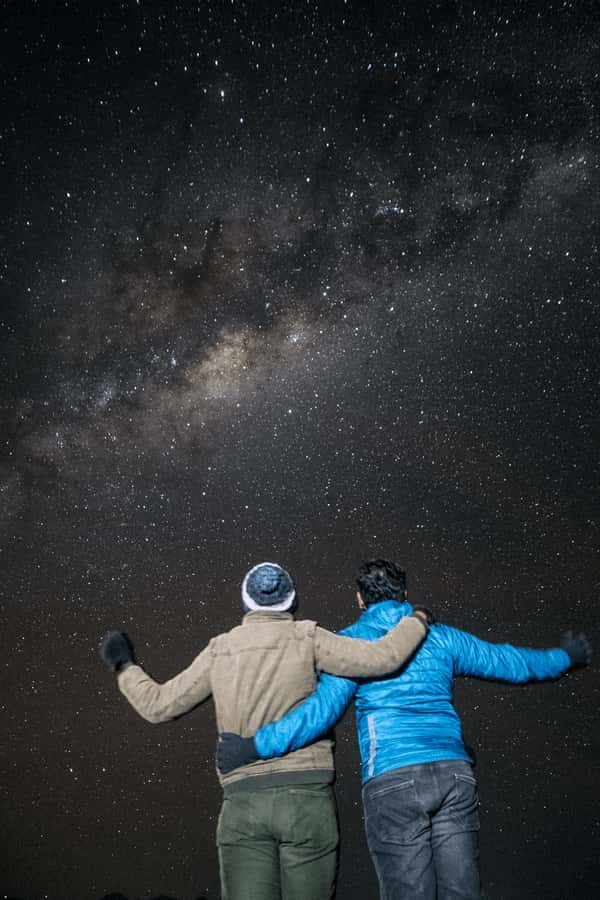
This is a strong choice for first-time stargazers, couples, families with older children, and anyone who has come to San Pedro hoping to see the Milky Way properly. The guides make room for questions, and the telescope setup can work well for children when a step stool is available.
It also suits people who enjoy science but do not want a university lecture. The best guides explain the big ideas in plain language and connect them to what you can see above you. English and Spanish are available, though the guide’s exact style will vary.
Children under four are not accepted, and the activity is not suitable for people over 80. The cold, dark setting and time spent standing or sitting outdoors may also be a concern for anyone who is uncomfortable at night.
I would not make this your only choice if you want a strong cultural astronomy program, a warm indoor setting, or guaranteed views of one specific planet. The sky changes, and the tour must work with the season, moon, and conditions.
My call: book it if the sky is part of your Atacama plan
I would book this outing if you have one clear night in San Pedro and want more than a quick glance upward. The combination of a dark desert site, an astronomer’s explanation, telescope time, warm drinks, and a star portrait gives the evening shape and purpose.
Book with the moon phase in mind, dress very warmly, and use the arranged van rather than driving behind it in the dark. If you want maximum value, compare local prices with the online option. For most people, though, $35 is fair for the amount of instruction and equipment included.
Choose it especially if Saturn, the Southern Cross, the Milky Way, or the Magellanic Clouds sound exciting. Skip it only if cold outdoor evenings are miserable for you or if your main interest is a broader cultural study of how different societies understand the sky.
FAQ
Where does the stargazing activity take place?
You meet at a designated point in San Pedro de Atacama, then travel about 15 minutes by van to the observation site outside town.
How long does the experience last?
The full activity lasts 150 minutes, including the transfers and the guided astronomy session.
What can I see through the telescopes?
Depending on the season and conditions, you may see planets, stars, binary stars, stellar clusters, nebulae, galaxies, moons, and the Moon.
Is the Milky Way visible?
The Milky Way may be visible, but what you see depends on the moon phase, time of year, and sky conditions. A brighter moon can reduce the number of faint stars.
Which languages are available?
The live guide is available in English and Spanish.
What is included in the price?
The activity includes a guide, telescope use, wine, pisco sour, juice, tea, coffee, hot chocolate, a snack, blankets, and astrophotography.
Is a bathroom available at the observation site?
A bathroom is not included, so use facilities in town before departure.
What should I wear?
Bring warm clothing, a jacket, and comfortable shoes. Desert nights can be very cold, especially while sitting still.
Can children join the activity?
Children under four are not suitable for this experience. Families with older children can attend, and a step stool may be available for children using the telescopes.
Can I cancel or pay later?
You can cancel up to 24 hours before the activity for a full refund. A reserve-now, pay-later option is also available, depending on the booking choice.
Just in after dark around the world
- Doha: Night Desert Safari, Stargazing, and Camel Ride★ 5.0 · 2 reviews
- Doha : Night Desert Safari with Dune Bashing & Stargazing★ 5.0 · 4 reviews
- Doha: Night Desert Safari + Camel ride + Stargazing & Relax★ 5.0 · 4 reviews
- Day Trip to Tatacoa Desert (Horseback, Boat, Stargazing, ..)★ 4.4 · 3 reviews
- Christchurch: Lake Tekapo Stargazing & Mount Cook 2-Day Tour★ 5.0 · 6 reviews
- Cabo de Gata: Stargazing Experience★ 4.5 · 7 reviews
- Chile: Astronomical Tour in the Atacama Desert★ 4.8 · 4 reviews
- Cabo de Gata: Guided Night Walk with Stargazing★ 4.7 · 36 reviews
Stargazing Tours, night against night.
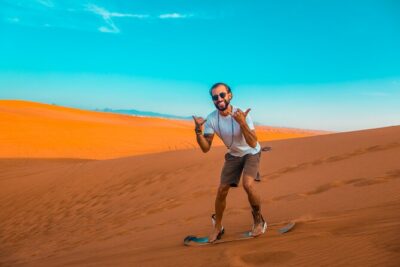
Dubai Red Dunes ATV, Camels, Stargazing & 5* BBQ Al Khayma Camp
Read our review →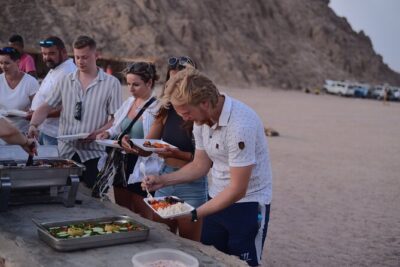
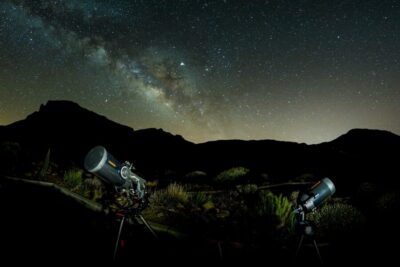
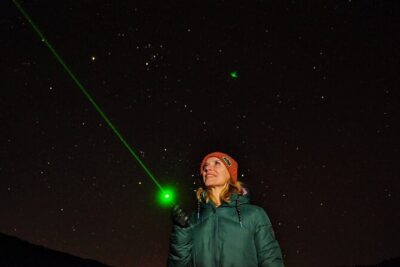
Teide National Park Sunset & Stargazing with Dinner (Star Safari)
Read our review →
Sunset Camel Trek, Al Khayma Camp, Stargazing & BBQ
Read our review →
Overnight Safari, Dinner, Stargazing & Al Khayma Camp
Read our review →
Dubai Overnight Desert Safari, BBQ & Stargazing at Al Khayma Camp
Read our review →
Sunset Quad Bike, Camel w/ Opt Stargazing and BBQ
Read our review →Lists this night appears in