
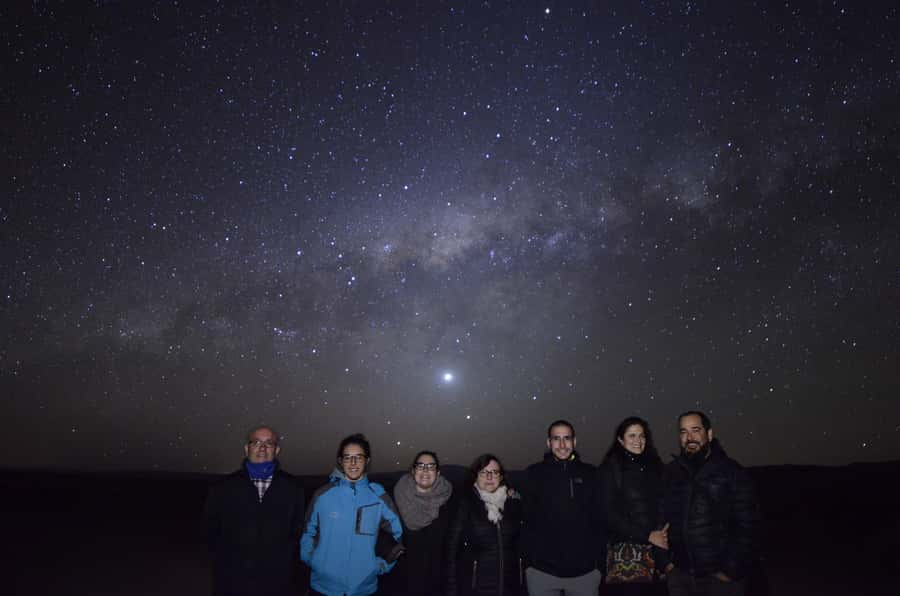
Review · SAN PEDRO DE ATACAMA
San Pedro de Atacama: Etno-Stargazing Tour with Transfer
The Atacama night sky is the main event here, but the best part is learning how to read it. A guide such as Felipe or Claudio moves between planets, star clusters, and Andean stories, so you are not simply standing in the cold and pointing at bright dots. I especially like the mix of telescope viewing and indigenous astronomy, plus the chance to see the Southern Cross from a clear southern-hemisphere sky.
I also like the practical extras: pickup in central San Pedro, large telescopes, warm drinks, and a photo sent by email. The main catch is the cold and the moon. Full or bright moonlight can wash out faint stars, and the schedule may shift late if clouds interfere.
Key points to know before booking
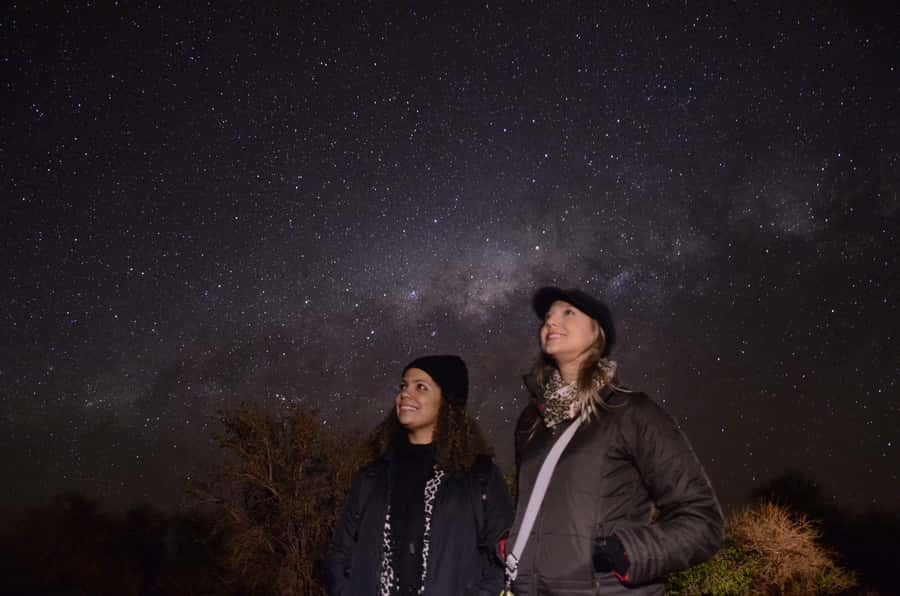
- Two ways of reading the sky: Learn modern Western astronomy, then hear how Andean communities interpreted the Milky Way, animals, rivers, water, and the afterlife among the stars.
- Large telescopes: Depending on the season and conditions, you may view planets, binary stars, star clusters, nebulae, and galaxies.
- Strong guides: Felipe, Claudio, Salvador, Yvonne, and other astronomy guides have led engaging sessions in English and Spanish.
- Cold desert nights: Ponchos, blankets, warm drinks, and a fire may help, but bring serious layers.
- Moon phase matters: Check the lunar calendar before booking. A bright moon changes what you can see.
- Good value at $41: The price covers 150 minutes, transport, a specialist guide, telescope use, and a souvenir photo.
Why this Atacama stargazing tour works
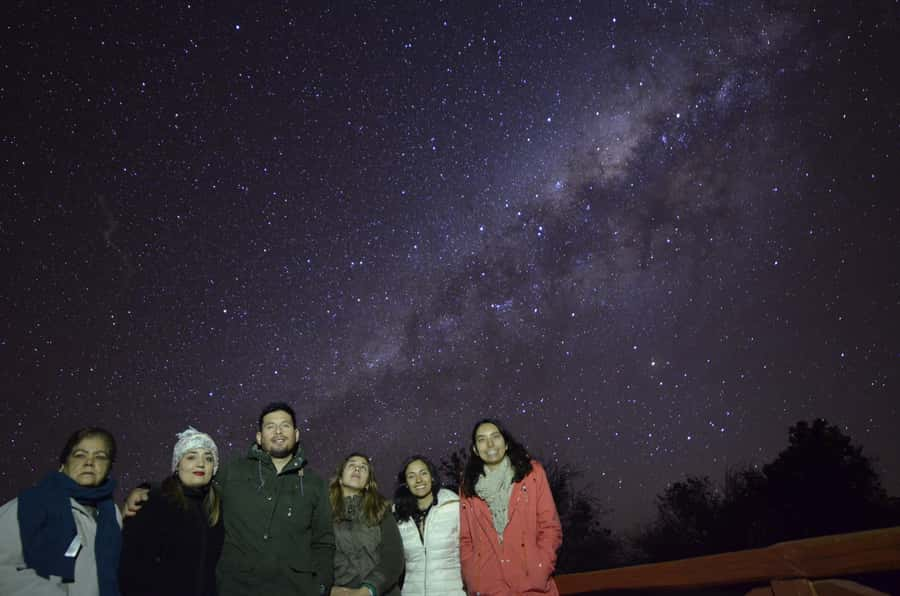
San Pedro de Atacama is a fine place to look up. The dry desert air and distance from city lights create a sky that feels almost crowded with stars. You do not need to know anything about astronomy before arriving. The session begins with the basics, such as why stars differ in color and brightness, then builds toward planets, galaxies, and the larger story of the universe.
That teaching matters. A telescope can show you Saturn or a star cluster, but without guidance you may not know what you are seeing or why it matters. Here, the guide points out the object, explains what to look for, and helps focus the telescope. The result is more satisfying than taking a quick turn at an unattended viewing instrument.
The tour also avoids treating the night sky as only a Western science lesson. The second part looks at Andean astronomy, including the way ancient communities used the Milky Way and dark spaces between stars to find shapes connected to animals, water, rivers, daily schedules, and life after death. This gives the evening a stronger local connection than a standard lecture about Greek constellations alone.
More Stargazing Tours around the world:
- Dubai Red Dunes ATV, Camels, Stargazing & 5* BBQ Al Khayma Camp
★ 5.0 · 21,620 reviews - Sharm El-Sheikh: Ultimate ATV Quad, Stargazing & BBQ Dinner
★ 4.7 · 4,084 reviews - Tenerife: Teide National Park Sunset & Stargazing Tour
★ 4.2 · 3,812 reviews
From San Pedro to a darker sky in 15 minutes
Pickup is offered from two central points around Licancabur 10 and Restaurant Tara. The published meeting point can be confusing, so I would check the exact location before leaving your accommodation. One person had trouble finding Restaurant Tara, and the guide had to come looking for the group. That is an avoidable problem on a dark night.
The drive out takes about 15 minutes by van. The short ride is useful because it moves you away from San Pedro’s lights without turning the evening into a long road trip. The return drive takes about 25 minutes, with drop-off at Licancabur 10 or Restaurant Tara.
Pickup time changes by season. In April through August, it is listed at 7 p.m. During Chile’s summer schedule, pickup is around 9 to 9:20 p.m. Confirm the time when booking, since the actual start depends on darkness and visibility.
The tour does not include pickup from the ayllus. If you are staying outside the central pickup area, you will need to reach one of the listed meeting points yourself. That is a small but important detail when planning dinner, transport, or an early start the next morning.
The first lesson: how Western astronomy reads the sky
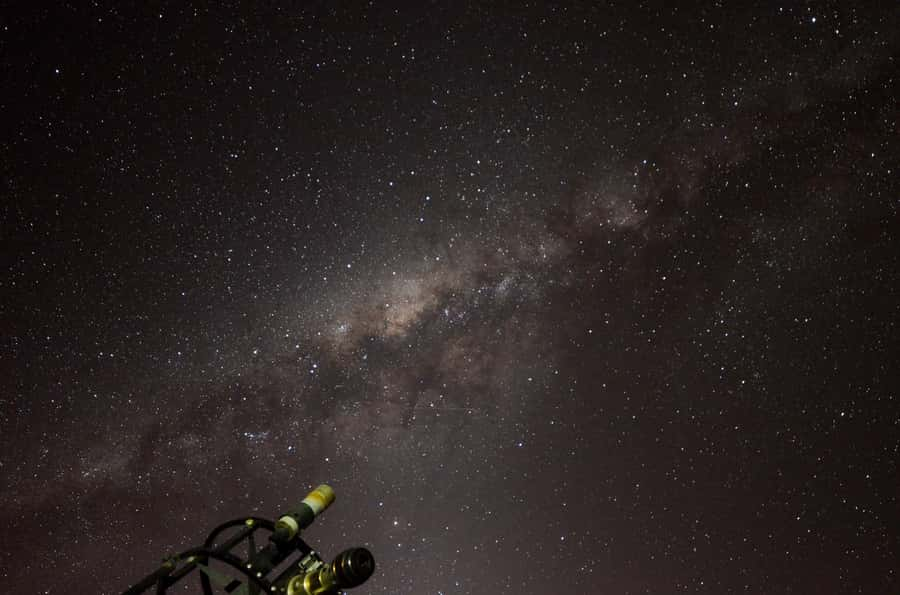
At the viewing site, the guide begins with a Western view of the universe. You learn about the brightness and color of stars, planets, constellations, and the formation of the cosmos. The talk is aimed at ordinary curious people, not trained astronomers, and the strongest guides make room for questions.
The format is interactive. Felipe has been praised for answering difficult questions and linking current research with ancient ideas. Claudio is also noted for making the subject lively and easy to follow. Salvador brings energy to the presentation, while guides such as Yvonne and Margarete have been described as clear and patient.
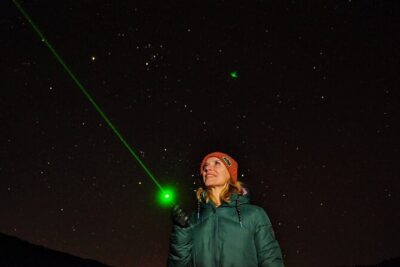
You may use a laser pointer to follow the guide across the sky. This is helpful because the southern sky can be unfamiliar, especially if you come from the Northern Hemisphere. The Southern Cross is one likely highlight, but the exact stars and planets depend on the month, time, and cloud cover.
The guide may discuss objects in the solar system, deep space, and visible constellations. This is not a fixed show with the same targets every night. The heavens change through the year, and the team adjusts the session to what is available.
The Andean sky is more than a set of constellations
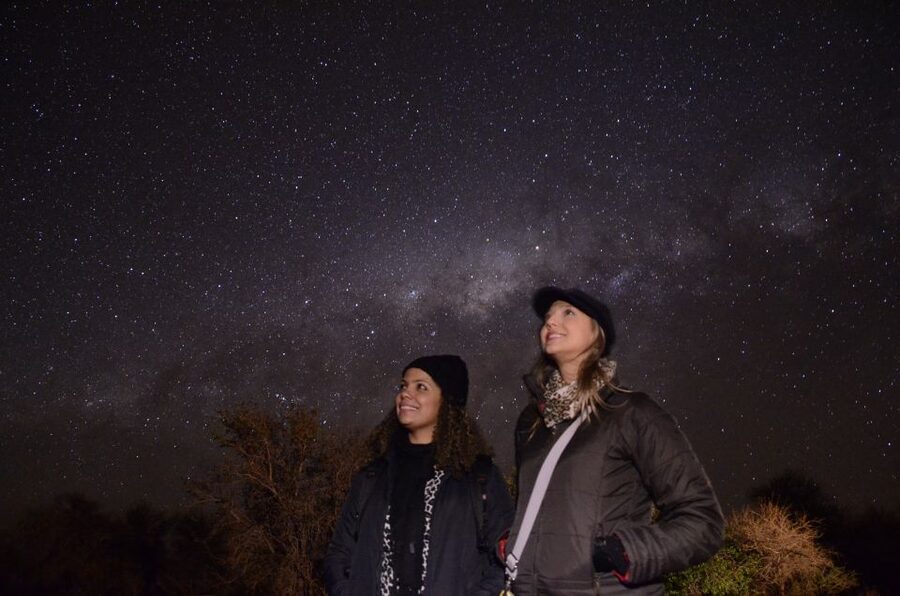
The ethnic astronomy section is the most distinctive part of the evening. Ancient Andean observers did not only connect bright stars into figures. They also read dark regions in the Milky Way, finding forms and meanings in the gaps between the stars.
The tour explains how this way of seeing the sky related to daily life. Animals, waterways, seasonal signals, time, and ideas about death all had a place in the night sky. You are asked to consider astronomy not just as a collection of scientific facts, but as a system people used to understand their world.
The reference to ancient Greece adds another useful comparison. You learn how Greek sky stories shaped familiar Western constellations, then see how Andean traditions used different visual patterns and ideas. That contrast helps you understand that the sky is shared by everyone, but the stories people find in it are shaped by culture and place.
This section is especially worthwhile if you want more than telescope pictures. The Atacama setting makes it possible to connect the visible sky with the people who have watched it for centuries.
Same stars, another vantage point:
- Tenerife: Sunset and Stargazing at Teide National Park
★ 4.7 · 2,826 reviews - Teide National Park Sunset & Stargazing with Dinner (Star Safari)
★ 5.0 · 2,601 reviews - Dubai: Sunset Camel Trek, Al Khayma Camp, Stargazing & BBQ
★ 4.8 · 2,588 reviews - Dubai: Overnight Safari, Dinner, Stargazing & Al Khayma Camp
★ 4.8 · 2,562 reviews
Telescope time: from Saturn to distant galaxies
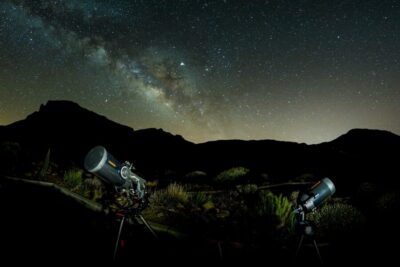
After the introductory talk, you move to the telescope session. The equipment has been described as large mirror telescopes, and the group is guided from one object to another. You do not simply peer through the eyepiece without explanation. The guide tells you where the object is and helps bring it into focus.
Depending on the season, you might see planets, stars, binary stars, star clusters, nebulae, or galaxies. Saturn has been a major highlight on several departures, as have Antares, the crescent moon, and star clusters. A bright moon can limit faint-star viewing, but it can also become a good telescope target in its own right.
The number of people in a group can affect the pace. Some sessions have used two telescopes, which reduces waiting and gives people more chances to look. The equipment is a real strength at this price, though the experience still depends on cloud cover, the moon, and what is above the horizon that night.
Keep expectations sensible. A telescope will not show every galaxy as a colorful, detailed photograph. You may see a small, clearly defined object or a subtle patch of light. The guide’s explanation is what turns that faint view into something memorable.
The cold is part of the deal
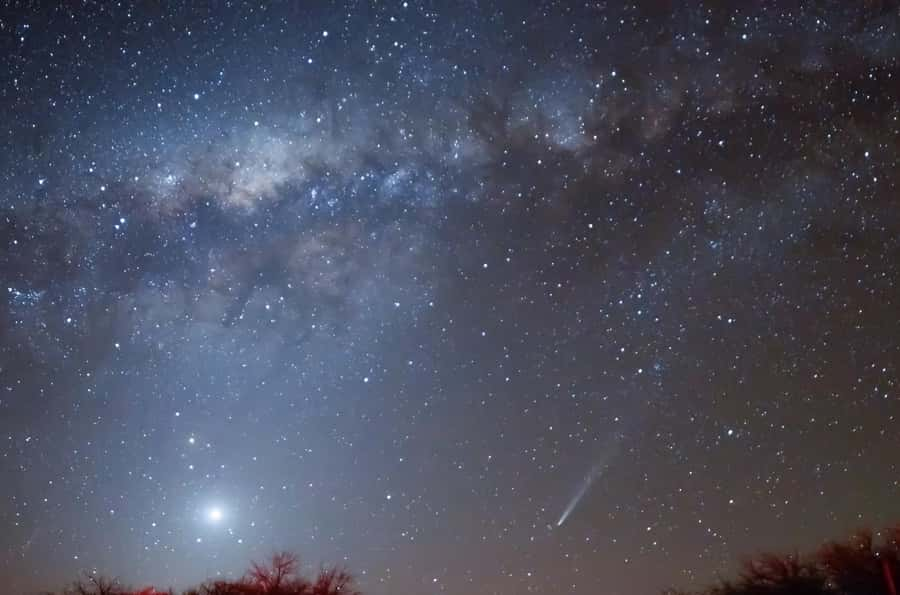
The desert can feel warm in daylight and sharply cold after dark. Several departures have provided ponchos, blankets, sofas, or other seating, and warm drinks have included coffee, tea, and hot chocolate. Some evenings have ended by a fire with snacks and wine.
Still, do not rely on the supplied layers alone. Wear thermal clothing, a warm jacket, long trousers, and closed shoes. Comfortable shoes are listed, but warmth matters more than fashion. Bring binoculars if you have them, though they are not a substitute for the main telescope.
The tour lasts 150 minutes, much of it outdoors. You may be standing during the sky talk and telescope viewing, even if seating is available for part of the program. The cold is the clearest practical drawback, but good clothing makes a major difference.
Alcohol and drugs are not allowed as general items to bring. The included refreshment is listed as coffee, tea, or red wine, and the evening setup has also featured drinks around a fire. Follow the provider’s current instructions rather than assuming a full meal or a particular drink is guaranteed.
A useful souvenir, not just a blurry phone picture
At the end, you receive a courtesy photo with the stars, sent by email. The team sets up a photo area and helps with poses, and some sessions have included individual and group shots. This is a better keepsake than trying to photograph the sky with a phone during the telescope session.
The final image depends on the moon and conditions. On bright-moon nights, the photo may be taken through the telescope eyepiece instead of showing you beneath a dark star-filled sky. That limitation is stated clearly and is worth remembering before you book around a special photo goal.
Some departures have also included close-up images of the sky objects viewed through the telescope. Treat that as a possible extra rather than the core promise. The core photo is the courtesy image sent by email.
Is $41 a good price?
At $41 per person, this is strong value for a 150-minute activity in San Pedro. You receive central pickup and drop-off, a live English or Spanish astronomy guide, access to telescope equipment, a cultural astronomy lesson, and a photo.
The value improves if the evening includes the reported fire, snacks, ponchos, and warm drinks. Those touches make the time outside more comfortable and give the group a relaxed ending. They should not be the sole reason to book, since the listed inclusions specifically guarantee coffee, tea, or red wine rather than a full meal.
Compared with a simple transfer to a dark site, this tour gives you interpretation and equipment. Compared with a large observatory program, it offers a smaller, more personal format, though the exact group size and telescope waiting time can vary.
The main cost is opportunity. A late pickup can put you back around 10:30 p.m. or later, and a weather delay can push the session toward 11 p.m. If you have a 5 a.m. desert excursion the next day, the schedule may be tiring. If you have several nights in San Pedro, choose a night with a flexible morning afterward.
Moon, clouds, and the limits of the sky
Check the lunar calendar before booking. A new-moon period generally gives you darker conditions for faint stars, while a bright moon reduces the number of stars you can see with the naked eye. The moon can still be impressive through the telescope, so a moonlit night is not automatically a wasted booking.
Clouds create a different problem. The tour may be moved to a later time on the same night or to the following night if conditions are poor. If cancellation becomes necessary, other options may be offered. You should keep your evening flexible and watch for same-day notifications.
This flexibility is one of the tour’s practical strengths, but it can disrupt dinner plans or an early bedtime. Free cancellation is available up to 24 hours before the activity, and the reserve-now-pay-later option helps if your Chile schedule is still changing.
Who should book this experience?
I would choose this tour if you want a guided introduction rather than a silent night under the stars. It suits first-time telescope users, families, couples, and anyone curious about both astronomy and Andean culture. Children can take part, and one family with children aged 10, 13, and 15 found the explanations accessible and engaging.
It is also a good pick if you want an English-language guide. English and Spanish are offered, and the guides have been praised for clear explanations and willingness to answer questions. Felipe, Claudio, Salvador, Yvonne, and Margarete are among the names associated with especially strong sessions, although the guide assigned to your date may differ.
I would think twice if you dislike cold, late nights, or changing plans. I would also avoid a bright-moon date if your main goal is to see the faintest possible Milky Way. For serious amateur astronomers, the fixed 150-minute format may feel limited, but for most people it offers an enjoyable balance of science, culture, telescope time, and comfort.
Should you book the San Pedro Etno-Stargazing Tour?
Yes, if you want a well-priced night activity that teaches you what you are seeing. The two-part astronomy lesson gives this tour more substance than a basic star photo stop, and the telescope session adds a real sense of discovery.
Book it on a clear, darker night if your schedule allows. Bring warm layers, confirm the meeting point at Restaurant Tara or Licancabur 10, and leave the next morning open if possible. If those details suit you, $41 buys one of the most memorable ways to experience the Atacama after sunset.
FAQ
How long does the stargazing tour last?
The activity lasts 150 minutes, including the transfer, astronomy presentation, telescope viewing, and return journey.
Where does pickup take place?
Pickup is available from Restaurant Tara or the area around Licancabur 10 in San Pedro de Atacama. Pickup from the ayllus is not included.
What time does pickup happen?
From April through August, pickup is listed at 7 p.m. During Chile’s summer schedule, pickup is around 9 to 9:20 p.m. Exact times can change with conditions.
Is transport included?
Yes. Transport from the listed San Pedro pickup points and return drop-off are included. The outbound van ride takes about 15 minutes, and the return ride takes about 25 minutes.
Which languages are available?
The tour is offered in English and Spanish.
What can I see through the telescope?
Depending on the season and visibility, you may see planets, stars, binary stars, star clusters, nebulae, and galaxies. Saturn, Antares, the moon, and star clusters have been viewed on different nights.
Does the tour include drinks?
Coffee, tea, or red wine are included. Some evenings have also featured hot chocolate, snacks, and refreshments around a fire, but the exact setup can vary.
Should I check the moon phase before booking?
Yes. Bright moonlight can reduce the number of visible stars. During periods of high moonlight, the included photo is taken only through the telescope eyepiece.
What happens if the weather is bad?
The tour may be moved to a later time on the same night or to the next night. If the activity must be canceled, other options may be offered, and you will be notified.
Just in after dark around the world
- Doha: Night Desert Safari, Stargazing, and Camel Ride★ 5.0 · 2 reviews
- Doha : Night Desert Safari with Dune Bashing & Stargazing★ 5.0 · 4 reviews
- Doha: Night Desert Safari + Camel ride + Stargazing & Relax★ 5.0 · 4 reviews
- Day Trip to Tatacoa Desert (Horseback, Boat, Stargazing, ..)★ 4.4 · 3 reviews
- Christchurch: Lake Tekapo Stargazing & Mount Cook 2-Day Tour★ 5.0 · 6 reviews
- Cabo de Gata: Stargazing Experience★ 4.5 · 7 reviews
- Chile: Astronomical Tour in the Atacama Desert★ 4.8 · 4 reviews
- Cabo de Gata: Guided Night Walk with Stargazing★ 4.7 · 36 reviews
Stargazing Tours, night against night.
Dubai Red Dunes ATV, Camels, Stargazing & 5* BBQ Al Khayma Camp
Read our review →
Teide National Park Sunset & Stargazing with Dinner (Star Safari)
Read our review →
Sunset Camel Trek, Al Khayma Camp, Stargazing & BBQ
Read our review →
Overnight Safari, Dinner, Stargazing & Al Khayma Camp
Read our review →
Dubai Overnight Desert Safari, BBQ & Stargazing at Al Khayma Camp
Read our review →
Sunset Quad Bike, Camel w/ Opt Stargazing and BBQ
Read our review →Lists this night appears in