
Review · MARSA ALAM
Marsa Alam SPACE OBSERVERS ( Desert Stargazing )
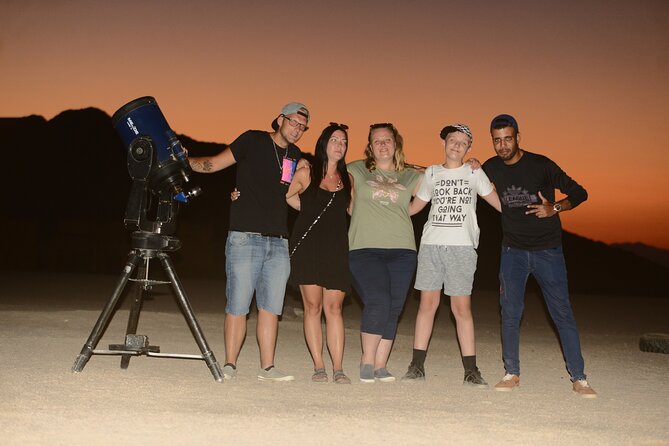
The best part of this Marsa Alam outing comes after sunset, when the camp lights fade and a professional astronomer points a 15-inch Meade telescope at the night sky. You may see familiar planets such as Saturn, along with the Milky Way and other deep-space objects. The desert setting gives the sky room to shine.
I like the mix of Ababda Bedouin culture and astronomy. You ride a camel, drink Bedouin tea, watch bread being baked over a fire, and eat dinner before turning your attention upward. I also like the small group limit of 12, which should make the telescope session more personal. The main consideration is timing: the 5-hour-30-minute outing begins around 4 pm and includes a fair amount of driving, so the camel ride and camp visit are brief rather than a full desert stay.
Key points to know before booking
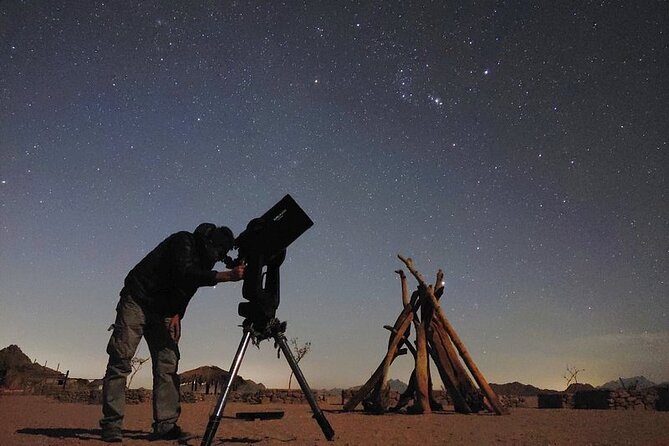
- A 15-inch Meade telescope is the centerpiece, with an hour set aside for guided sky watching.
- Padi Valley and an Ababda camp provide the setting for tea, bread making, dinner, and sunset views.
- A 30-minute camel ride is included, but this is a short introduction rather than a long desert trek.
- Small groups are capped at 12 people, a useful detail for an astronomy activity.
- Pickup is offered around Marsa Alam, with a stated $10 transport supplement for hotels south of Marsa Alam.
- The advertised price is $85 per person, but a $5 government fee is separate.
Why the telescope makes this Marsa Alam trip different
Marsa Alam has plenty of desert excursions, but this one builds the evening around astronomy. The Bedouin camp is not the final attraction. It is the warm-up for the main event: sitting in the open desert with an astronomy guide and looking through a large, GPS-directed Meade telescope.
That matters because a dark sky can be impressive on its own, yet most people need help making sense of it. A professional astronomer can point out what you are looking at and explain how distant objects fit into the larger universe. You are not simply handed a telescope and left to guess.
The company describes itself as an astronomy specialist founded in 2008, with 10 astronomy-focused guides and multilingual service. The available information does not promise a particular guide for every departure, but Harabi is specifically praised for his explanation of Bedouin life and his care during one outing. Another experience had a guide who spoke French, German, and English. If language matters to you, ask what is available when you book.
The one-hour telescope session is long enough to feel like a real part of the evening, though conditions will affect what you see. The moon, clouds, haze, and the season all matter. The experience specifically highlights deep-space viewing, and a previous outing included Saturn and the Milky Way. You should treat those as possible highlights, not fixed guarantees for every date.
More Desert Stargazing Safaris in Egypt
- Hurghada: Sea & Desert Horse Tour, Stargazing, Dinner & Show
★ 4.5 · 1,592 reviews - Hurghada: Star Stargazing Desert Adventure by Jeep & Dinner
★ 4.7 · 694 reviews - Hurghada: Sea & Desert Camel Ride w/Dinner, Show, Stargazing
★ 4.3 · 634 reviews
Leaving Marsa Alam around 4 pm
Pickup is planned for about 4 pm from your hotel in an air-conditioned vehicle. The full outing lasts roughly 5 hours and 30 minutes, with the return planned for about 8:30 pm. That schedule lets you reach the camp before sunset and stay after dark for the astronomy session.
The transport is included, and the vehicle is described as modern, clean, and air-conditioned. That is important in Marsa Alam, where a desert outing can become tiring if you spend the afternoon in a hot vehicle. The supplied information does not specify a pickup window for every hotel, so confirm the exact time and meeting point.
A $10 extra transport charge applies to hotels in south Marsa Alam. There is also a $5 government fee per person that is not included in the advertised $85 price. That puts the likely total at $90 per person for most bookings, or $100 per person if the southern hotel transport supplement applies.
For a five-and-a-half-hour trip with transport, dinner, a camel ride, a guide, and an astronomy program, the price can be reasonable. The value depends on what you want. If you mainly want a long camel trek or a large desert safari, this is not the strongest match. If you want a compact evening with culture, food, sunset, and astronomy, the package is more convincing.
Padi Valley and the Ababda camp
The drive takes you to the Bedouin tent known as the Ababda camp in Padi Valley. The setting is simple, and that is part of its appeal. This is not presented as a polished resort or a theatrical desert village. It is a basic camp where the human side of the evening comes through the tea, food, fire, and conversation.
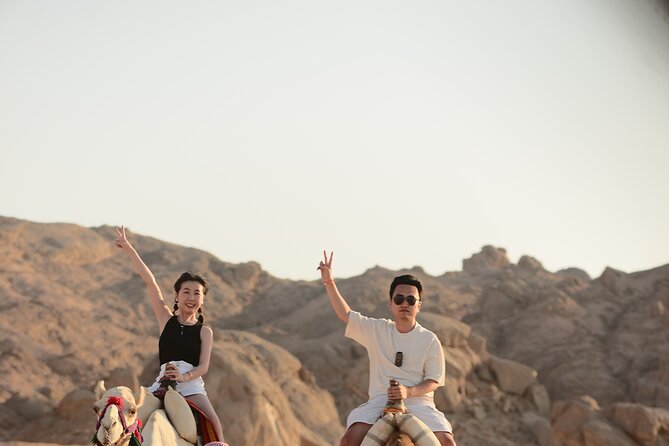
You begin with a 30-minute camel ride. For many people, that is enough time to try the experience, take a few photographs, and get a feel for moving through the desert. It is also short enough that you are not committed to hours in the saddle.
I would treat the camel ride as an introduction, not the reason to book. If you have never ridden before, the guide can help you settle in, but the information does not describe riding instruction or special support. Wear practical clothes and shoes, and remember that getting on and off a camel can be awkward.
After the ride, you have time to rest in the Bedouin tent. Bedouin tea is served, and a guide explains elements of simple Bedouin life. The evening also includes a demonstration of bread being made over a campfire. These details give the stop more purpose than a quick photo break. You get a look at everyday skills and hospitality before dinner.
The camp is described as simple rather than heavily built for tourism. That can be a positive if you want a quieter, less commercial stop. It can also feel modest if you expect a large show, extensive seating, or a full village tour. Go with the right idea: this is a short cultural visit inside a larger astronomy outing.
Sunset from the small cliff
One of the clearest scenic moments comes when you climb a small cliff to watch the sunset. The climb is not described as difficult, but it is still a walk over desert ground. Take care with your footing, especially as the light drops.
The timing is well judged. You arrive in late afternoon, see the camp in daylight, and then watch the desert change color before dinner. A previous outing placed strong emphasis on the sunset, and that part of the evening gives you a natural pause before the sky-watching begins.
You will want a camera, but do not let photographs take over the stop. The view is one of the few moments when the group spreads out, and it is a good chance to get away from the vehicle and camp area. The information does not state how high the cliff is or how long the walk takes, so anyone with mobility concerns should ask before booking.
Same stars, another vantage point:
- Sharm El-Sheikh: Ultimate ATV Quad, Stargazing & BBQ Dinner
★ 4.7 · 4,084 reviews - Hurghada: Sunset Quad Bike, Camel w/ Opt Stargazing and BBQ
★ 4.2 · 1,705 reviews - Hurghada: Quad Bike, Sea, Camel, Safari, Stargazing & Dinner
★ 4.2 · 1,454 reviews - Makadi Bay: ATV, Sea View, Camel, Stargazing, Dinner & Show
★ 4.3 · 1,368 reviews
Bedouin dinner beside the campfire
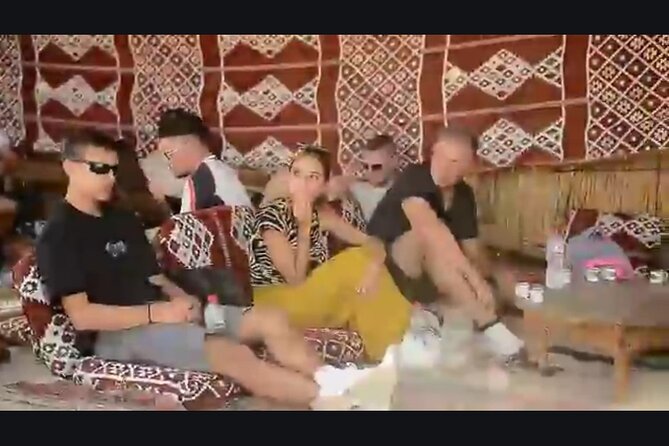
Dinner follows the sunset portion of the visit. It is described as a freshly prepared Bedouin barbecue dinner, with an open buffet, bottled water, and soft drinks. Coffee and tea are also included.
The food is an important part of the value here. You are not paying only for a telescope transfer. The meal gives the evening a proper center, and eating at the camp helps the outing feel less rushed. The available feedback specifically describes the dinner as delicious, though menus are not provided, so you should not expect a detailed list of dishes in advance.
The bread-making demonstration adds a useful touch. You see food prepared over a fire rather than simply receiving a meal from a catering truck. That does not turn the stop into a cooking class, but it gives you a clearer connection to the camp setting.
The phrase open buffet can mean different things from one departure to another. If you have allergies or strict dietary needs, ask ahead of time. The supplied information confirms the dinner, drinks, and barbecue, but it does not specify vegetarian choices, halal details, or allergy procedures.
The one-hour astronomy session
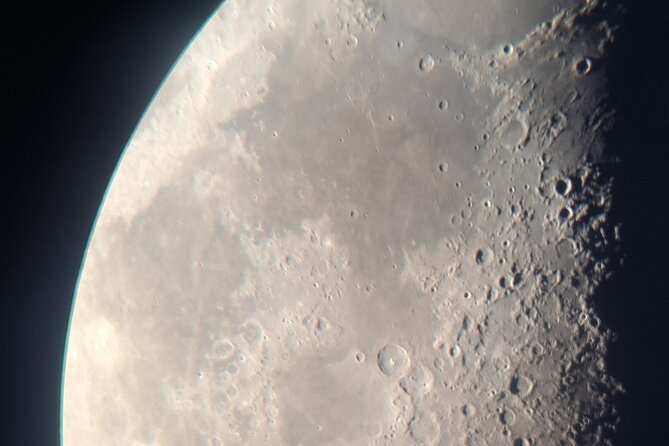
After dinner, you move to the astronomy portion of the evening. The professional astronomer uses the large Meade telescope to show stars and deep-space objects. The GPS-directed system is a practical advantage because it helps the guide locate targets rather than spending the whole session searching manually.
The best way to enjoy this hour is to arrive with a few questions. Ask how the telescope works, how far away an object is, or why one planet looks different from a star. A good astronomy guide can turn a quick view through an eyepiece into something you remember.
The telescope is the major reason to choose this activity over a standard sunset or Bedouin dinner trip. It also gives families and first-time sky watchers a clear starting point. You do not need to own a telescope or know constellations in advance.
The experience is suitable for all ages according to the operator, and the small group limit should help with access to the telescope. Still, an hour passes quickly when 12 people share one viewing instrument. Your experience will depend on how the guide organizes the queue and explanation. The information does not promise individual telescope time or a specific number of objects.
The desert location is especially useful after dark. Away from the strong lights of the resort area, the sky has a better chance of showing more stars. That does not guarantee perfect viewing. Weather and atmospheric conditions can change the result, and the itinerary cannot control the moon or clouds.
Some nights may offer the Milky Way or Saturn, as happened during an earlier outing. Those are memorable possibilities, but I would not book on the assumption that one exact planet will appear. Book for the combination of a dark desert setting, expert guidance, and the chance to see more than you would from your hotel.
How the group size affects the evening
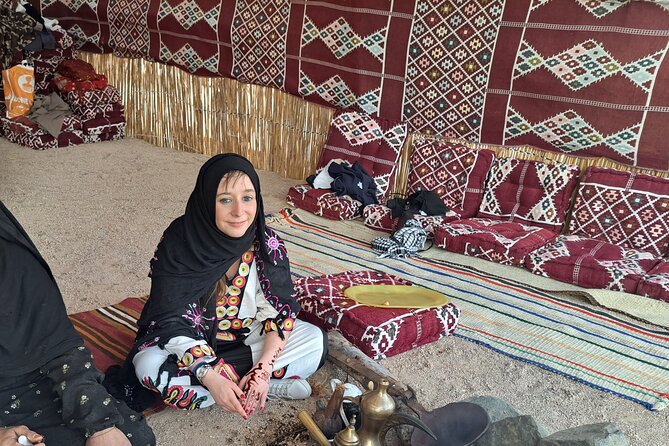
The maximum group size is 12 people. That is a useful middle ground. You are not paying for a completely private astronomy lesson, but you are also unlikely to be part of a huge coach group crowding around one telescope.
A smaller group helps during the cultural portion too. Tea, bread making, dinner, and questions about Bedouin life work better when the guide can speak to people directly. One guide, Harabi, is singled out for offering detailed information about Bedouin life and for helping create a friendly atmosphere.
The listing does not promise a private vehicle or private tour. One previous booking had a private driver and a guide, but that should not be treated as standard for every departure. Ask if you need a private arrangement.
What to bring and how to plan
The information confirms transport, tea, dinner, water, soft drinks, the camel ride, and telescope use. It does not list clothing or equipment advice, so keep your preparation simple.
Bring:
- Comfortable shoes for the camp and the small cliff
- A light layer for the evening
- Water for the drive, even though bottled water is provided during dinner
- A camera or phone for the sunset
- Any personal medication you need
- A little patience for waiting your turn at the telescope
You may also want to keep your evening flexible after 8:30 pm. The return time is approximate, and desert transport can take longer than planned. The itinerary says the drive back begins around 8:30 pm after the astronomy session.
There is a Bedouin pharmacy and handmade shop listed as an optional extra stop or expense. You do not need to buy anything. Treat this as a chance to browse, not as part of the core value of the excursion.
Most people can participate, according to the tour information. It does not give detailed accessibility guidance, so ask about vehicle access, the camel mounting process, the cliff walk, and ground conditions if those points are important to you.
Who will enjoy this outing most
I would recommend this to families who want an evening with several short activities rather than one long ride. Children may enjoy the camel, bread making, dinner, and planets, though the late astronomy portion may be tiring for young children.
Couples get a pleasant sequence of sunset, dinner, and stars without needing to plan separate activities. Friends will like the relaxed camp setting and the novelty of using a serious telescope in the desert.
It also suits first-time astronomy visitors. You do not need technical knowledge, and the guide handles the equipment. If you already spend serious time photographing the night sky, your expectations should be more careful. This is a guided viewing session, not a dedicated astrophotography workshop.
The trip may be less suitable if you want a high-energy jeep safari. The itinerary refers to air-conditioned vehicle transport, while one account also describes an adventurous Jeep ride. Since the vehicle type can vary, ask at booking if a Jeep is important to you. The main rhythm here is relaxed: drive, camel, tea, sunset, dinner, and stars.
Is $85 a fair price?
At $85 per person, the package includes more than the headline astronomy. You receive hotel pickup, a modern air-conditioned transfer, professional guiding, a camel ride, Bedouin tea, sunset time, dinner, drinks, and access to the telescope.
The extra charges matter. The $5 government fee is separate, and hotels south of Marsa Alam pay an additional $10 for transport. Read the final price carefully before you commit. Free cancellation is available if you cancel at least 24 hours before the start time. Cancellations within 24 hours are not refunded, and changes inside that period are not accepted.
For a small group capped at 12, the price is fair if you value the astronomy session. It is less attractive if you see the telescope as a minor add-on to a standard desert dinner. The company has operated since 2008 and lists 10 astronomy-specialized guides, which gives the astronomy focus more substance than a generic stargazing label.
Should you book Marsa Alam Space Observers?
Book this outing if you want a gentle, well-packed evening that combines desert culture and astronomy. The telescope, the Ababda camp, the sunset from the small cliff, and the chance to see Saturn or the Milky Way give the trip a clear identity.
I would skip it if you want a long camel expedition, a private astronomy lesson, or a guaranteed view of a specific planet. Before paying, confirm the pickup time, the language of your guide, the final price with fees, and the vehicle type.
For most visitors staying in Marsa Alam, this is a sensible way to see the desert after dark. The camel ride and dinner are pleasant parts of the plan, but the telescope is the reason to choose this particular evening.
FAQ
How long does the Marsa Alam stargazing tour last?
The experience lasts approximately 5 hours and 30 minutes. Pickup is planned around 4 pm, and the return to your hotel is planned around 8:30 pm.
Is hotel pickup included?
Pickup is offered from hotels in the Marsa Alam area. Hotels in south Marsa Alam have an additional $10 transportation charge.
What is the price of the tour?
The listed price is $85 per person. A $5 government fee per person is not included.
How large is the group?
The activity has a maximum of 12 participants.
Is a camel ride included?
Yes. The itinerary includes a 30-minute camel ride at the Bedouin camp.
What food and drinks are included?
The tour includes Bedouin tea, a freshly prepared barbecue dinner, an open buffet, bottled water, soft drinks, coffee, and tea.
What telescope is used?
The astronomy session uses a GPS-directed 15-inch Meade telescope with a professional astronomer.
Can I cancel the booking for a full refund?
You can cancel at least 24 hours before the experience starts for a full refund. Cancellations or changes made within 24 hours are not accepted, and the payment is not refunded.
Just in after dark around Egypt
- Sunset, Candle Light Dinner & Star Gazing from Hurghada★ 5.0 · 30 reviews
- Marsa Alam: Sunset Horseback with Dinner, Show & Stargazing★ 4.9 · 11 reviews
- Marsa Alam Bedouin Nights: Jeep Safari, Dinner & Stargazing★ 4.8 · 59 reviews
- Camel Ride, Bedouin Dinner and Star Gazing in Marsa Alam★ 4.5 · 28 reviews
- Makadi Bay: 2H Quad Bike, Camel, Stargazing, Dinner & Show★ 4.1 · 85 reviews
- Hurghada: Stargazing, Camel Ride, Quad Bike, Bedouin Dinner, Show★ 4.0 · 90 reviews
- Sharm El Sheikh Super Safari 5*1 ATV Quad, Stargazing,Camel Ride,Dinner, Shows★ 4.5 · 119 reviews
- Sharm El-Sheikh: Camel Riding, Stargazing, BBQ Dinner & Show★ 4.3 · 124 reviews
Desert Stargazing Safaris, night against night.
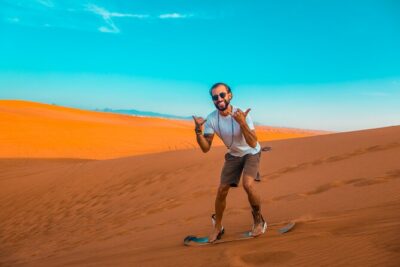
Dubai Red Dunes ATV, Camels, Stargazing & 5* BBQ Al Khayma Camp
Read our review →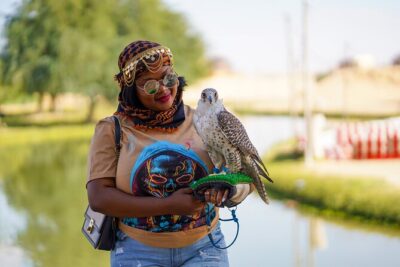
Sunset Camel Trek, Al Khayma Camp, Stargazing & BBQ
Read our review →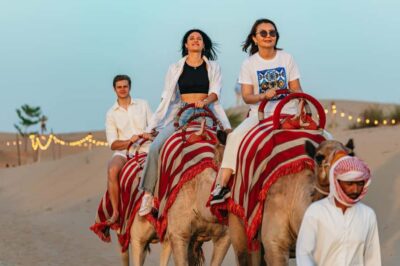
Overnight Safari, Dinner, Stargazing & Al Khayma Camp
Read our review →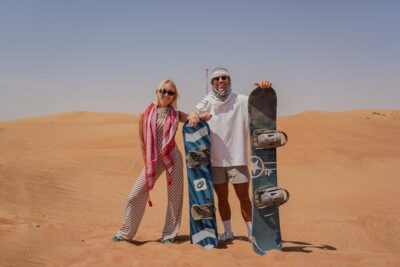
Dubai Overnight Desert Safari, BBQ & Stargazing at Al Khayma Camp
Read our review →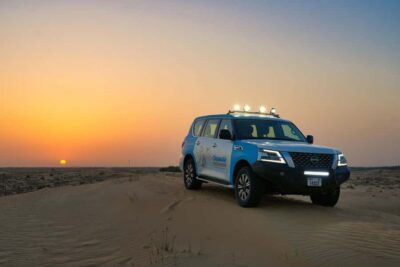
Evening Desert Safari with Camel Ride & Stargazing
Read our review →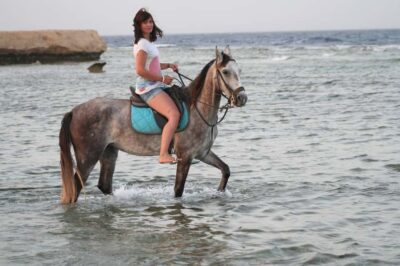
Sea & Desert Horse Tour, Stargazing, Dinner & Show
Read our review →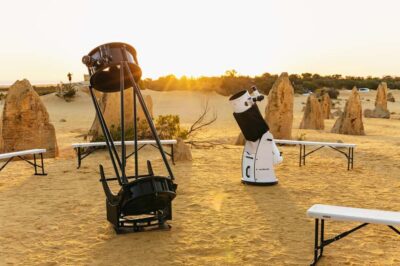
Pinnacles Desert: Sunset BBQ & Stargazing Tour +Sandboarding
Read our review →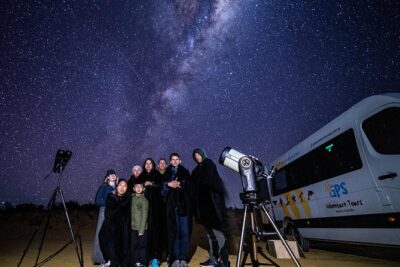
Pinnacles Desert Sunset Dinner and Stargazing Tour
Read our review →Lists this night appears in